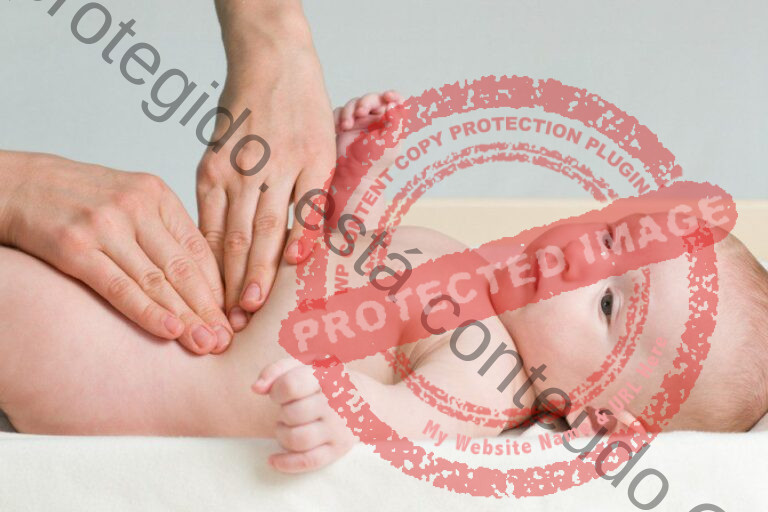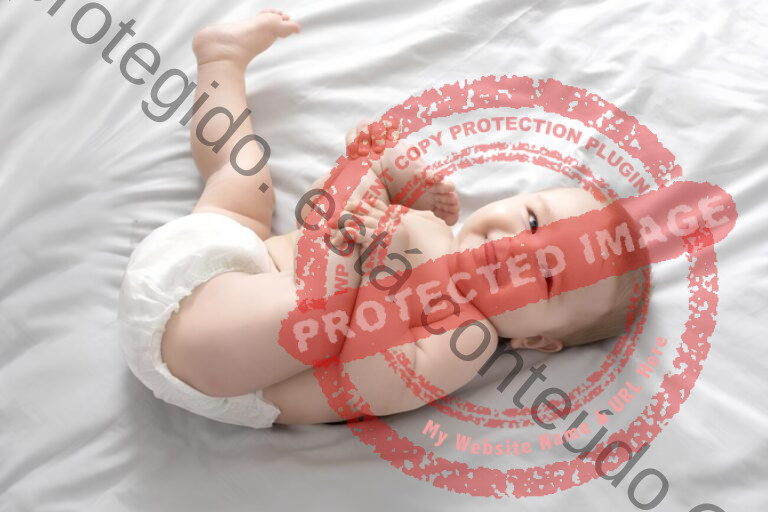


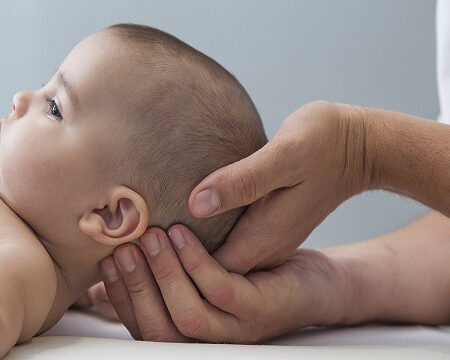
Infant Osteopathy is an area of Osteopathy dedicated to assessing and monitoring babies and children, taking into account the specificities of development at this stage of life. In Portugal and other European countries, this approach has been gaining relevance as knowledge about the influence of the prenatal period, childbirth and the first months of life on the child's overall development has increased.
Osteopathy is based on the principle that structural balance can influence the functioning of the body's different systems. Within this framework, the baby's assessment seeks to identify changes in mobility or adaptation that, in certain contexts, may be associated with discomfort or functional difficulties.
Pregnancy, childbirth and the baby's adjustment
During pregnancy and especially at the time of labour, the baby is subjected to different pressures and positions that are part of the natural process of adapting to birth. In some cases, these forces can be associated with changes in mobility in certain structures, particularly in the spine, pelvis or skull.
The baby's skull is highly malleable, as its ossification is progressive and is only completed later in growth. This characteristic allows it to adapt to the birth canal and facilitates the baby's passage, but it also makes these structures more sensitive to external forces, especially in prolonged, very rapid or instrumentalised births.
Osteopathy recognises childbirth as a physically demanding process, while at the same time considering that the stress The physiological process associated with this moment is linked to important adaptation mechanisms in the newborn, such as the activation of respiration, metabolic adaptation and cardiovascular regulation.
Importance of cranial assessment
From an osteopathic perspective, the skull is a central structure due to its protective function for the central nervous system and its anatomical relationship with cranial nerves and vascular structures. Through specific bone openings pass nerves responsible for the innervation of different organs and systems, as well as venous structures involved in cranial drainage.
During the baby's development, the skull's high adaptability allows it to accommodate brain growth and respond to the demands of the first few months of life. In certain contexts, changes in the mobility or tension patterns of cranial structures can influence these anatomical relationships. The osteopathic approach endeavours to assess these patterns carefully, integrating them into the overall clinical reasoning.
What is children's osteopathy?
Children's Osteopathy enables early assessment of babies and children and can be integrated into different clinical contexts:
- Musculoskeletal changes, such as torticollis or postural asymmetries
- Gastrointestinal adaptations, such as infant colic, reflux or constipation
- Changes in sleep or behavioural regulation
The assessment is always individualised and carried out according to the child's age, stage of development and clinical context.
When to consider a child osteopathy assessment
Children's Osteopathy assessments can be considered in different situations, such as:
- Postpartum follow-up
- Instrumented deliveries or caesarean sections
- Cranial asymmetries
- Postural asymmetries
- Digestive difficulties such as colic, reflux or constipation
- Breastfeeding difficulties
- Sleep disturbances or frequent crying
- Difficulty lying face up or face down (tummy time)
The decision to include osteopathy in the child's care must always be contextualised and, where necessary, coordinated with other health professionals.
Understanding children's osteopathy from an integrative perspective
Children's Osteopathy is part of an integrative clinical approach, centred on the child and their family, respecting the body's natural processes of development and adaptation. Through careful assessment and appropriate intervention, the aim is to support the child's well-being in a progressive, informed and integrated way within a global clinical follow-up.
David Brandão | Osteopath and Physiotherapist
Physiotherapist Card: 3652 | Order of Physiotherapists // Osteopath Card: C-0031697 | ACSS
Integrativa | Health and well-being as a lifestyle