


Physiotherapy
Pelvic and Women's Health
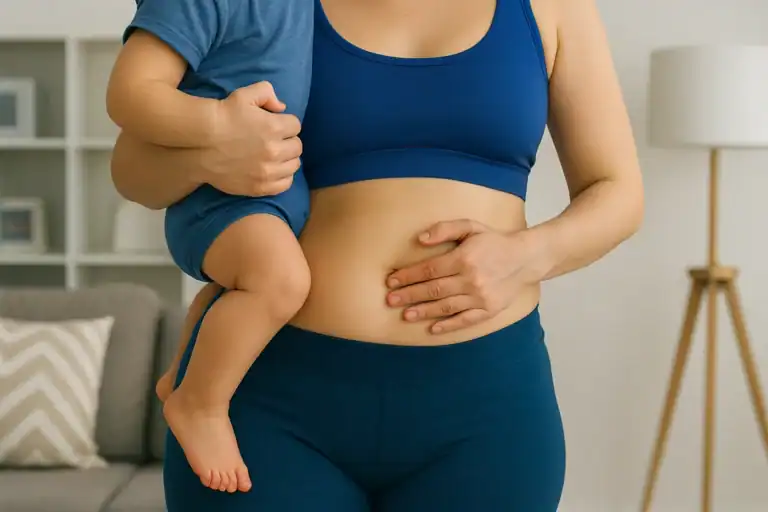
Physiotherapy in Women's Health is a specialised area that works in the prevention, treatment and rehabilitation of various physical and functional alterations that affect the female body throughout life.
It covers everything from preparation for childbirth and the postpartum period to the menopause and healthy ageing, as well as issues related to sexual function, urinary and faecal incontinence and postural changes.
More than treating, the purpose of women's physiotherapy is to care for, educate and empower, helping each woman to understand and appreciate how her body works.
Why choose Integrativa?
Physiotherapists with specialised training:
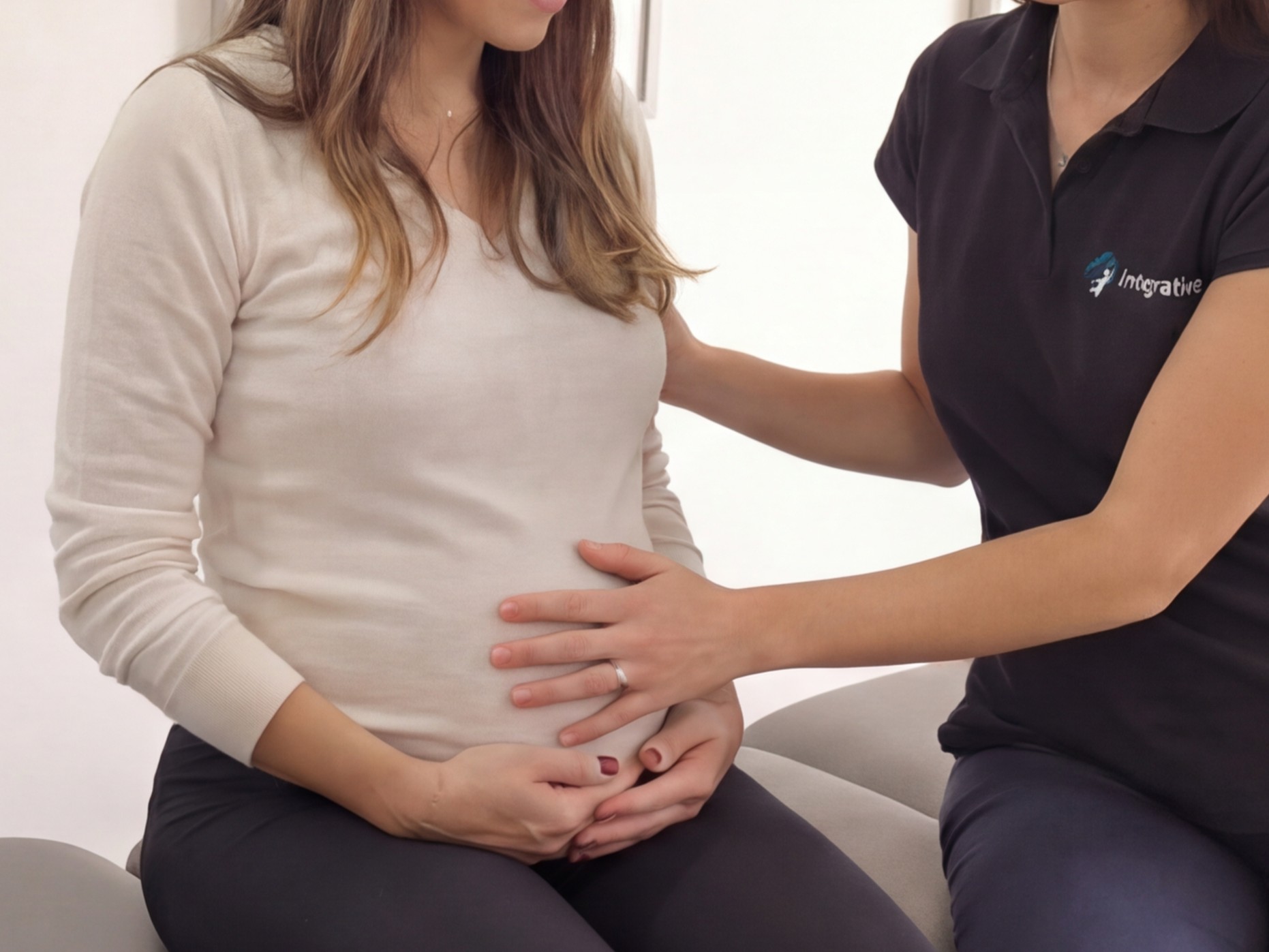
Our physiotherapists have Specialist training in physiotherapy for women's health and the pelvic floor, with experience in treating dysfunctions such as urinary incontinence, pelvic pain, postpartum changes, pregnancy, and menopause. This specialised training allows us to offer rigorous, safe, and evidence-based clinical care.
Personalised service: We value the therapist-patient relationship and take time to understand each woman's medical history, concerns, and goals. Each treatment plan is carefully designed and adapted to individual needs, ensuring close, human, and effective support.
Individualised sessions: All sessions take place in a private consulting room, providing a calm, safe, and discreet environment. Whenever clinically indicated, assessment and treatment may include specific pelvic physiotherapy techniques, carried out with informed consent and full respect for the patient.
Benefits
Prevents and treats urinary and faecal incontinence
Improves pelvic muscle tone and coordination
Reduces pelvic, back and post-operative pain
Promotes recovery after childbirth and gynaecological surgery
Improves sexual function and intimate well-being
Promotes a more active, balanced and healthy life

Physiotherapy
in Women's and Pelvic Health
Pelvic physiotherapy aims to prevent and treat dysfunctions affecting the muscles and ligaments of the pelvic floor, which are fundamental for urinary, evacuation and sexual control.
These changes can appear at any stage of life, especially after childbirth, during the menopause or due to everyday habits and postures.
Indications
Urinary or faecal incontinence
Genital prolapse
Chronic pelvic pain
Pain or discomfort during sexual intercourse (dyspareunia)
Pregnancy and postpartum
- Changes after gynaecological surgery
Physiotherapy
in Pre- and Post-Partum Preparation and Recovery
Obstetric physiotherapy is an essential ally during pregnancy and the puerperium.
During pregnancy, it helps prepare the body for labour, promoting comfort, mobility and muscle balance.
After the birth of the baby, it helps to restore abdominal and pelvic strength, improve posture and prevent complications such as abdominal diastasis and urinary incontinence.
During pregnancy, it helps prepare the body for labour, promoting comfort, mobility and muscle balance.
After the birth of the baby, it helps to restore abdominal and pelvic strength, improve posture and prevent complications such as abdominal diastasis and urinary incontinence.
Associated services
-Prepartum and postpartum evaluation of the perineum
-Assessment of abdominal diastasis
-Birth preparation course
-Pilates before labour
-Musculoskeletal pain associated with pregnancy
-Massage for pregnant women

Physiotherapy
in Breast Cancer
Oncological physiotherapy plays a fundamental role in treatment and rehabilitation after breast cancer.
It helps to reduce pain, swelling (lymphoedema) and stiffness, contributing to the recovery of mobility and muscle strength after surgery and treatments such as chemotherapy or radiotherapy.
It helps to reduce pain, swelling (lymphoedema) and stiffness, contributing to the recovery of mobility and muscle strength after surgery and treatments such as chemotherapy or radiotherapy.
Benefits
Prevents post-operative complications
Improves shoulder and arm mobility
Reduces swelling and fibrosis
Reduces fatigue and improves physical disposition
Regains confidence and quality of life
Blog Articles