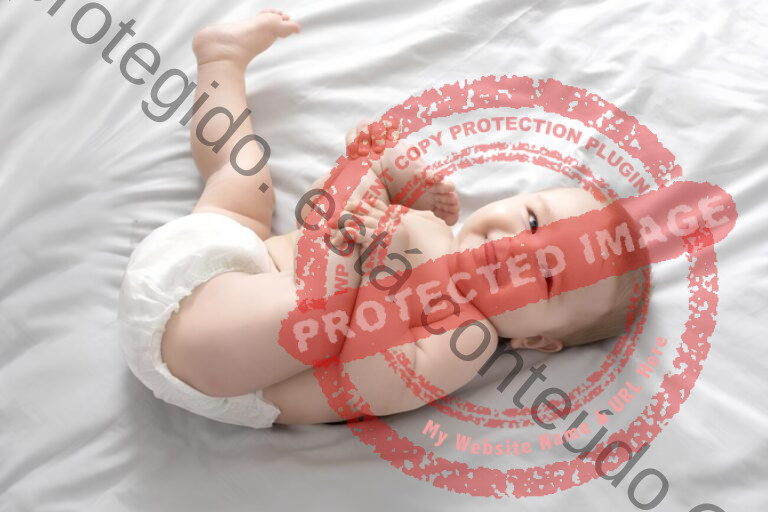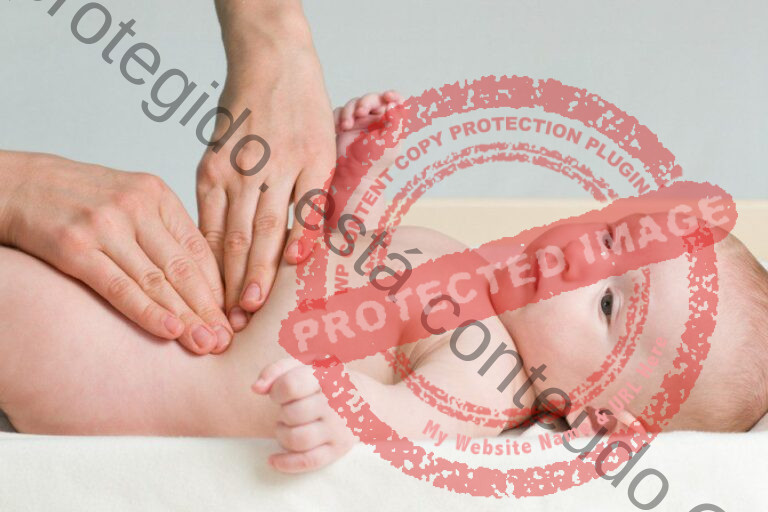


The arrival of a baby is a moment of joy and celebration, but it also marks the beginning of a journey full of discoveries and care. In this context, Paediatric Osteopathy emerges as a valuable approach to promote the well-being of newborns. Its main objective is to improve the mobility of the baby's body structures and reduce the tensions and compressions resulting from pregnancy and childbirth. For this reason, it is recommended that all babies have the opportunity to be assessed by a specialised Osteopath in the first few days of life.
One of the fundamental principles of Osteopathy is “Structure governs function”. In other words, if the different parts of the body, such as bones, muscles, fascia, organs and glands, have good mobility, the functions of the organism will occur normally. Unfortunately, for various reasons, these structures can show a lack of mobility, which can have consequences for the healthy development of the baby.
A key area of focus in Paediatric Osteopathy is the skull. This is because during birth, the baby's skull is subjected to considerable compressive forces, which are essential for allowing passage through the birth canal and the mother's pelvis. The baby's skull's unique adaptability is crucial in this process, but at the same time, it can result in cranial deformities and asymmetries.
It is important to highlight that these asymmetries are not, in themselves, the cause of future medical problems. However, they can be associated with issues such as vertebral asymmetries, scoliosis, and contribute to various problems, such as recurrent ear infections, headaches, temporomandibular joint (TMJ) disorders, dental alterations, eye problems, sleep disturbances, among others.
Therefore, parents and caregivers play a crucial role in promoting the cranial health of their babies. Attention and care with positioning in the first few months of life is essential. Alternating positions, especially when lying on their backs, can prevent constant pressure which, if maintained for long periods, can lead to flattening on the back of the skull.
In summary, Paediatric Osteopathy offers a gentle and non-invasive approach to promote health and structural balance from the earliest days of life. By integrating this practice into a baby's care routine, parents can significantly contribute to a healthy development and prevent potential future complications. Consultation with an Osteopath can be a valuable step in promoting a newborn's well-being.
David Brandão | Osteopath - Physiotherapy
Integrativa | Health and well-being as a lifestyle