

Integrative Osteopathy
Your Osteopath in Restelo – Lisbon
Osteopathy is a clinical approach focused on assessing the interactions between the neuro-musculoskeletal, visceral, and cranial systems — seeking to understand the relationship between structure and function, and to intervene on the causes of imbalances, not just the symptoms.
At Integrativa, in Restelo (Belém, Lisbon), the osteopathy consultation begins with an individual clinical assessment, taking into account each person's health history, current complaints and functional context.
Want to find out how Integrative Osteopathy can help you?
Osteopathy is indicated for a variety of conditions, including: * Back pain * Neck pain * Headaches and migraines * Joint pain and stiffness * Sciatica * Sports injuries * Pregnancy-related pain * Infantile colic and feeding difficulties (in babies) * Digestive problems * Circulatory issues
If you have pain that persists, that keeps coming back, or that hasn't found answers elsewhere, Osteopathy could be the starting point for understanding its origin.
Osteopathy in Lisbon is often sought for situations such as:
- Lower back pain and lumbago
- Neck pain and cervicogenic headaches
- Temporomandibular joint (TMJ) disorders and orofacial pain
- Persistent musculoskeletal pain
- Digestive and visceral functional changes
- Autonomic nervous system dysfunctions
Each case is evaluated individually during consultation.
When to seek Osteopathic treatment
Osteopathy can be indicated in different phases:
- Acute phaseto reduce symptoms, regain mobility and support the initial recovery process.
- Rehabilitation phaseto work on the causes of the problem, correct movement patterns and prevent relapses.
- Maintenance phase: to support long-term functional balance and the body's responsiveness to daily demands.
How is the intervention carried out?
The intervention is based on manual therapy, and may include Structural Osteopathy, Visceral Osteopathy or Cranial Osteopathy techniques, either in isolation or integrated, according to the clinical indication identified during the assessment.
The assessment can be supplemented by principles of Clinical Psychoneuroimmunology, allowing for a more comprehensive view of the interaction between the nervous system, immune system, lifestyle habits, and emotional context.
Osteopathy
At Integrativa, Osteopaths are also Physiotherapists, a combination that allows for the articulation of structural analysis with an understanding of function and movement.
At Integrativa, each Osteopathy consultation is based on listening, clinical judgement, and individualised intervention. The practice is grounded in scientific knowledge and the therapeutic relationship, with a person-centred approach.
Every consultation rests on listening, clinical judgement and the individualisation of the intervention. Practice is based on scientific knowledge and the therapeutic relationship, with a person-centred approach.
The assessment considers not only the musculoskeletal system but also the visceral and cranial systems, complemented by Clinical Psychoneuroimmunology for a more complete evaluation of each situation.
Health arises when all parts of the body are in harmony. Disease occurs when the body is out of harmony.
Andrew Taylor Still (1828-1917), creator of Osteopathic Medicine
When osteopathy makes sense
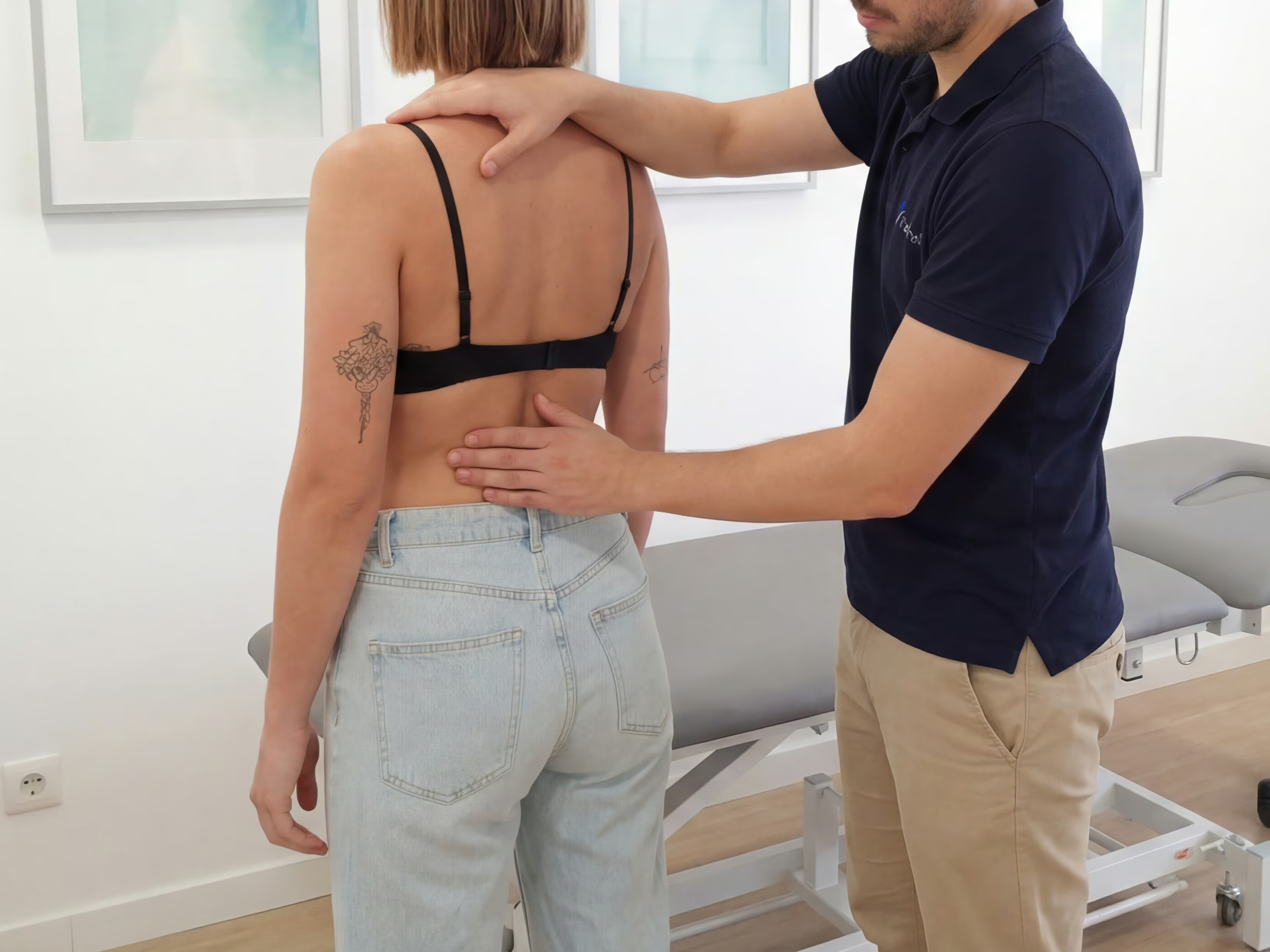
Osteopathy can be a good option when there is pain, discomfort or limitation that interferes with your daily life, especially when the problem doesn't seem to stem from just one specific point in the body.
Can you help in situations such as:
- Lumbar or cervical pain
- Persistent joint stiffness or discomfort
- Postural changes, such as those associated with sedentary work
- Difficulty recovering after physical exertion
This can also be useful when there are recurring complaints such as:
- Frequent headaches and migraines
- Temporomandibular joint (TMJ) dysfunction
- Functional digestive discomforts
- Feeling of the body being blocked or out of balance
During the consultation, we assess the origin of the problem and define the most suitable intervention, adjusted to the stage it is in.
The aim is to reduce pain, improve movement, and help you return to your routine with greater comfort and confidence.
Our approach
At Integrativa, we start by identifying the cause of the problem, whether it be muscle tension, overload, changes in movement, or other factors influencing your body.
Through Osteopathy, we assess how different structures relate to each other and tailor the intervention to your specific situation. We use manual, structural, visceral, and cranial techniques to reduce pain and tension, improve mobility, and restore normal body function.
The follow-up is tailored to your case and may include guidance on movement, habits, and strategies for relapse prevention.
The goal is simple: to feel better and get back to your activities with more comfort and confidence.
Why choose Integrativa?
Integrativa is a centre in Lisbon, in Restelo (Belém), with a focus on Osteopathy, based on a scientific, integrative and person-centred approach.
Our osteopaths are trained at the Madrid School of Osteopathy (EOM) and have a degree in Physiotherapy, complementing their basic training with postgraduate and advanced training. This foundation allows us to integrate different clinical perspectives into the assessment and follow-up process, adjusted to each person's reality.
At Integrativa, Osteopathy is articulated with the principles of Clinical Psychoneuroimmunology (PNIc), an area that studies the interaction between the nervous, immune and endocrine systems, as well as the influence of lifestyle habits and the emotional context. This integration contributes to a more comprehensive assessment of the physical and neurofunctional factors involved.
All osteopaths have a professional certificate issued by the Central Administration of the Health System (ACSS), in accordance with Law no. 71/2013, of 2 September, and Ordinance no. 172-E/2015, of 5 June, which regulate Non-Conventional Therapies in Portugal.
David Brandão – Osteopath and Physiotherapist
Physiotherapist Card: 3652 | Order of Physiotherapists // Osteopath Card: C-0031697 | ACSS
Book your first appointment
Osteopathy
Your Osteopath in Restelo – Lisbon
More than relieving pain, we help the body regain balance - based on science, empathy and Clinical Psychoneuroimmunology (PNI).
Osteopathy is a clinical science that recognizes the interconnection between all body systems, promoting holistic and long-lasting recovery.
Want to find out how Integrative Osteopathy can help you?
Book your appointment with Dr David Brandão.
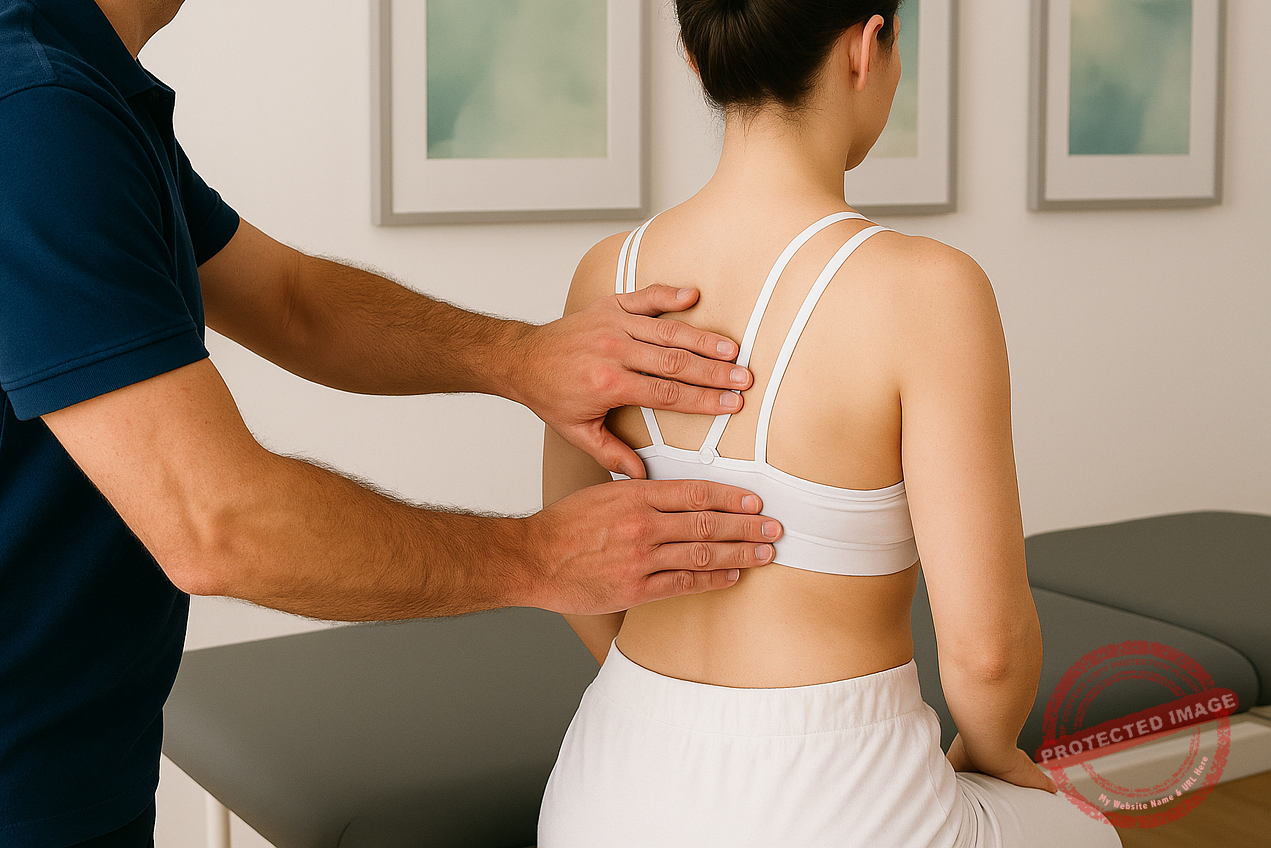
Health arises when all parts of the body are in harmony. Disease occurs when the body is out of harmony.
In Integrative Osteopathy, a global vision of the person is integrated, seeking to understand the relationship between the musculoskeletal system (Structural Osteopathy), the visceral system (Visceral Osteopathy), the sacro-cranial system (Cranial Osteopathy) and the autonomic nervous system.
Follow-up always starts with an individual clinical assessment, where each person's health history, current complaints and physical, functional and emotional context are taken into account. The aim is to understand how different systems influence each other over time and how the body adapts to their demands.
Osteopathy is based on manual therapy and a comprehensive reading of the body, integrating structural, visceral and cranial techniques whenever clinically indicated in the follow-up plan. This approach is often sought in situations such as back pain (lumbago), neck pain (cervicalgia), TMJ dysfunctions and persistent pain.
The Integrative Osteopathy consultation integrates the principles of Clinical Psychoneuroimmunology, allowing for a more comprehensive understanding of the interaction between the nervous system, the immune system, lifestyle habits and the emotional context.
Our approach at Integrativa
Each consultation begins with a careful assessment, adapted to each person's reality. The follow-up is progressive and adjusted over time, respecting the individual's pace and the evolution observed.
The intervention is based on manual therapy, integrated into a global assessment that considers the body, daily habits such as sleep, diet, physical activity, stress and other factors relevant to health.
Clinical experience and follow-up make the difference
At Integrativa, the focus is on listening, clinical criteria and individualised care. The practice is based on scientific knowledge combined with the therapeutic relationship, with a responsible, person-centred approach.
We believe that a better understanding of one's own body allows you to make more informed decisions and develop a more conscious relationship with your health.

Structural Osteopathy
It assesses and intervenes in dysfunctions of the musculo-articular system, taking into account its relationship with the nervous system. Often associated with low back pain, neck pain and postural alterations.
It assesses the mobility and functional relationship of the internal organs with the musculoskeletal system and the nervous system. It can be integrated in situations of digestive alterations and functional visceral tension.

It assesses the relationship between the cranial system, the nervous system and musculoskeletal dynamics. It can be considered in situations of TMJ dysfunction, headaches and cranio-cervical tension.

Structural Osteopathy
Studies and relates the musculoskeletal system to the nervous system, restoring structural health.

Studies and relates the visceral system to the nervous and musculoskeletal systems.

Studies and relates the cranial system to the nervous and musculoskeletal systems.
When osteopathy makes sense
- Osteopathy can make sense when there are pains, discomforts or limitations that interfere with everyday life and don't seem to be related to a single point in the body.
- It can make sense when there is pain in the back, neck or joints, a feeling of persistent stiffness or tension, discomfort when moving, postural changes associated with work or daily routine, or when the body doesn't seem to recover easily from physical exertion.
- Osteopathy can also be used to understand functional complaints such as frequent headaches, jaw tension, digestive discomfort or a general feeling of body imbalance, always in the context of an individual assessment and, where necessary, in conjunction with other healthcare services.
-TMJ Disorders (Temporomandibular Joint Disorders): Joint Pain, Clicking when moving the jaw, Difficulty opening the mouth, Bruxism, Limited mouth opening.
Our approach
Osteopathy is based on a global view of the body, considering the relationship between structure, function and adaptability. Osteopathy aims to understand how different structures relate to each other and to identify mobility restrictions or changes in balance that could interfere with the body's functioning.
Follow-up begins with a detailed clinical assessment, which takes into account the person's health history, current complaints and overall context. The intervention is based on manual therapy, integrated into a broader reading that includes lifestyle habits, daily rhythm and the physical and emotional context.
The sessions can include different manual therapy techniques, selected according to the assessment and adjusted to each situation, as well as guidance on movement, posture or other relevant habits. Follow-up is progressive and adapted over time, always respecting the pace, individual needs and progress observed.
the individual's pace and needs.
Why choose Integrativa?
- Integrativa is a clinic in Lisbon with a focus on Osteopathy, based on a scientific, integrative and person-centred approach.
- Our osteopaths are trained at the Madrid School of Osteopathy (EOM) and have a degree in Physiotherapy, complementing their academic training with advanced postgraduate courses and training. This combination allows us to integrate different clinical, preventive and follow-up approaches, adjusted to the reality and needs of each person.
- At Integrativa, Osteopathy is combined with Clinical Psychoneuroimmunology (PNIc), an area that studies the interaction between the nervous, immune and endocrine systems, as well as the influence of behaviour and life context on health. This integration allows for a more in-depth understanding of the physical, emotional and neuroendocrine factors involved, favouring a global and careful assessment.
- Our osteopaths hold a professional license issued by the Central Administration of the Health System (ACSS), in accordance with Law No. 71/2013 of September 2 and Ordinance No. 172-E/2015 of June 5, which regulate Non-Conventional Therapies (NCT) in Portugal.
Book your first appointment
Blog Articles