

Paediatric Osteopathy
Paediatric Osteopathy is a specific field of Osteopathy, innovative in Portugal and in many European Union countries.
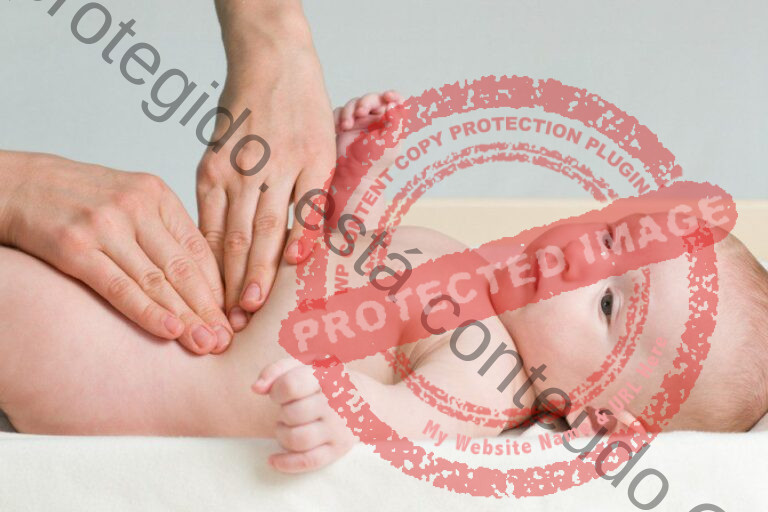
This area of practice results from an adaptation of Osteopathic techniques used on adults to the entire physiology and anatomy of newborns, babies, and children, taking into account all stages of development and growth from babyhood to adolescence. Osteopathy posits that if the structure is balanced, the body's different functions occur normally, reducing the predisposition to the appearance of pathology. The aim of paediatric Osteopathy is to restore the mobility and alignment of the joints, allowing your baby's development to be natural and pressure-free.
This area allows for early intervention with infants and children in various situations, such as musculoskeletal conditions (like wryneck, plagiocephaly, and scoliosis), gastrointestinal adaptations (like reflux, infant colic, and constipation), and emotional disorders (such as sleep disturbances, behavioural changes, or nocturnal enuresis).
The practice of Paediatric Osteopathy is based on profound knowledge of infant and child Anatomy, Physiology, and Embryology, enabling an intervention grounded in theoretical knowledge applied to clinical practice. It is a very gentle approach that respects the baby's structure, making it a very safe treatment. There is deep respect for your child and their pace.
Have your baby checked regularly.

Indications for Paediatric Osteopathy
- Musculoskeletal changes, such as stiff neck, asymmetries, like plagiocephaly and scoliosis
Gastrointestinal changes, such as reflux, colic, and constipation
Emotional changes, such as sleep disturbances, behavioural changes and nocturnal enuresis
Difficulties with breastfeeding or feeding difficulties
-Respiratory problems, such as recurrent bronchitis or rhinitis
-Digestive difficulties, such as cramps or reflux
Ear, nose and throat problems.
Does paediatric osteopathy replace medical care?
No. Paediatrician follow-ups are essential for monitoring the baby or child's health, growth and development.
Paediatric osteopathy works as a supplement, in a way adapted to each case.
At Integrativa, we value working together with other health professionals so that each child receives comprehensive support.