

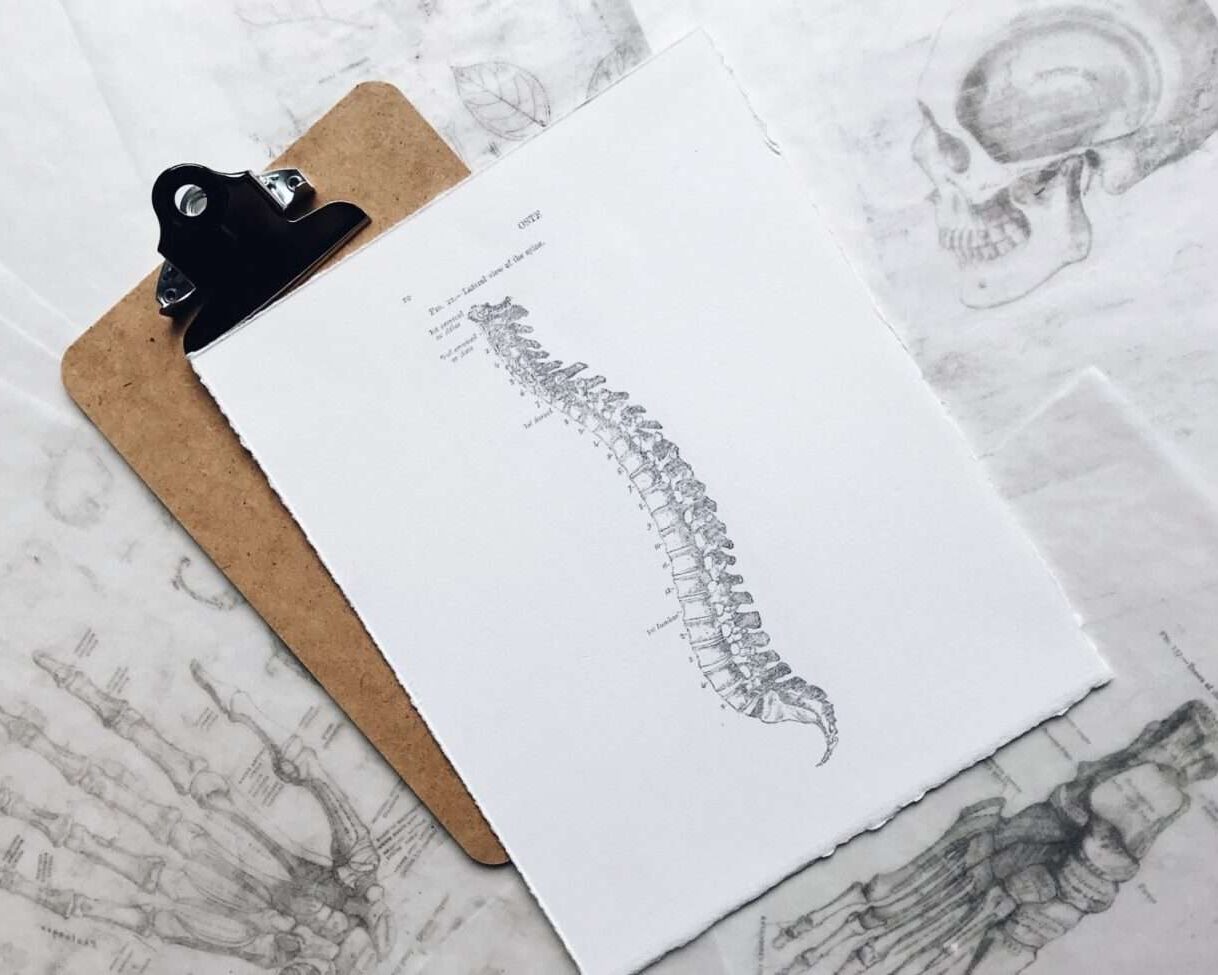
Osteopathy focuses on the assessment of the musculoskeletal system, including bones, muscles, joints and fascia, and its functional relationship with other body systems, such as the visceral and cranial systems. This approach stems from the understanding that the body functions as an integrated unit and that health is related to the balance between the structure and function of the different systems.
Osteopathy was developed in 1874 by Andrew Taylor Still, who defined four fundamental principles to frame osteopathic clinical reasoning and intervention:
- The relationship between structure and function
- The body unit
- The capacity for self-regulation
- The importance of circulation
Relationship between structure and function
This principle describes the close relationship between the body's structure and the way it functions. Structural changes, such as limitations in mobility or imbalances in tissues, can influence the functioning of the systems involved. Likewise, functional changes maintained over time can be reflected in the structure. The osteopathic approach seeks to understand these relationships and their possible association with symptoms or functional limitations.
Body unit
In accordance with this principle, the different tissues and systems of the body are interconnected and in constant interaction. An alteration in a particular region can have repercussions in other areas, even if there is no apparent direct relationship. Osteopathic reasoning therefore considers the body as a functional unit, valuing a global assessment of the person.
Capacity for self-regulation
Osteopathy recognises that the body possesses internal mechanisms for adaptation and regulation, responsible for maintaining physiological balance, known as homeostasis. Osteopathic intervention respects these mechanisms, seeking to identify and address factors that may interfere with this adaptive capacity.
Read from the Artery: The Importance of Circulation
Blood circulation is fundamental for supplying oxygen and nutrients to tissues and for eliminating metabolic products. Changes that interfere with tissue mobility, innervation or vascular dynamics can influence local function. The osteopathic approach considers it relevant to favour conditions that support adequate circulation, integrating this principle into global clinical reasoning.
Understanding Osteopathy from an Integrative Perspective
In current clinical practice, the principles of Osteopathy are complemented by the appreciation of individuality and prevention. Each person presents their own characteristics, meaning that the assessment and intervention are adjusted to their specific needs.
Osteopathy can integrate health promotion strategies, including advice on movement, lifestyle, and daily habits, wherever clinically appropriate.
Understanding osteopathy from this perspective implies recognising it as a person-centred clinical approach, which respects individuality, the body's adaptive capacity, and the relationship between the different systems of the body. Osteopathic care seeks to support health and well-being in a progressive, informed, and integrated manner within overall clinical care.
David Brandão | Osteopath and Physiotherapist
Physiotherapist Card: 3652 | Order of Physiotherapists // Osteopath Card: C-0031697 | ACSS
Reference articles
- Seffinger, Michael A. and American Osteopathic Association, editors. Foundations of Osteopathic Medicine: Philosophy, Science, Clinical Applications, and Research. Fourth edition, Wolters Kluwer, 2018.
- Philosophy of Osteopathic Medicine | AACOM. https://www.aacom.org/become-a-doctor/about-osteopathic-medicine/philosophy-tenets-of-osteopathic-medicine. Accessed 26 Jan. 2023.
- “Tenets of Osteopathic Medicine” American Osteopathic Association, https://osteopathic.org/about/leadership/aoa-governance-documents/tenets-of-osteopathic-medicine/. Accessed 26 Jan. 2023.
- Still, Andrew Taylor. Autobiography. TBA Editions, 1874. ISBN 9789878702490
- Still, Andrew Taylor. Philosophy of Osteopathy. TBA Ediciones, 1874. ISBN 9789878702544
- Still, Andrew Taylor. Osteopathy: Its Philosophy and Mechanical Principles. TBA Ediciones, 1874. ISBN 9789878702513
- Still, Andrew Taylor. Investigações Práticas. TBA Edições, 1874. ISBN 9789878702506
Integrativa | Health and well-being as a lifestyle
This website and its content are for information purposes only and are not a substitute for medical or health professional advice. In all cases, treatments should be individualised and guided by health professionals. Do not make any changes to your treatment without contacting the doctor or health professional accompanying you.
Related articles