

Many people with chronic pain go through a long journey before they find answers. They undergo tests, try different treatments, rest, avoid movements, and yet the pain persists or returns. Over time, it is common to feel that “something is wrong” and that the body has become fragile.
In recent decades, research on pain has significantly changed the way this condition is understood and treated. Today it is known that persistent pain rarely depends solely on the state of the tissues. It is influenced by the way the nervous system processes information, by the beliefs and emotions associated with pain, by movement patterns, and by the context of each person's life.
From this understanding, clinical approaches have emerged that integrate three central components: explaining to the person what is happening, identifying the factors that maintain the pain, and promoting a gradual return to movement and activity. In Integrative Medicine, these principles are present in the way we assess and follow up people with chronic pain.
Why is chronic pain not always explained by an injury?
In most musculoskeletal injuries, the tissues recover within a period of weeks to a few months. When pain persists beyond this period, it is often no longer reflective of an active injury but rather a protective system that remains in alert mode.
Pain functions as a protective signal produced by the nervous system. It is not a direct measure of damage to tissues. Therefore, two people with similar test results may experience very different pain experiences, and many people without any pain present changes such as herniated discs or signs of joint wear.
This does not mean that the pain is imaginary. The pain is always real. It just means that, in chronic pain, seeking exclusively a “damaged” structure may not be enough to understand the problem or to solve it.
What principles underlies this approach?
Contemporary approaches to chronic pain, especially persistent low back and neck pain, start from a biopsychosocial perspective. Instead of treating the person as a collection of structures, they seek to understand how physical, cognitive, emotional, and lifestyle factors interact and maintain the pain.
In clinical practice, this vision translates into three principles that complement each other:
- Giving meaning to pain, helping the person understand the mechanisms involved in their painful experience;
- Identifying what keeps the pain, Recognizing the individual factors that contribute to its persistence;
- Recuperate movement and load gradually, Developing confidence and the ability to return to activities that are meaningful.
These principles do not constitute a rigid protocol. They are applied individually, according to each person's history, goals, and needs.
Understanding pain: why is explanation part of the treatment?
The way a person interprets their pain directly influences how they move, the activities they avoid, and the level of concern they feel. Beliefs such as “my spine is worn out,” “I can’t bend over” or “if it hurts, I’m doing something wrong” are very common and often result from incomplete explanations received along the way.
Therefore, understanding pain is not an addition to treatment: it is an integral part of it. A clear explanation, tailored to each person's history, can help:
- Reduce the fear associated with movement;
- Reduce the concern regarding the results of the tests;
- Understanding why the pain varies from day to day;
- Distinguishing between pain and harm, accepting some discomfort during recovery.
This explanation is not given in a generic way. Part of the doubts, of previous experiences, and of what the person thinks is happening in their body. Often, it is during the actual movement, when experiencing an activity previously avoided, that this new understanding is consolidated.
What might be keeping the pain?
Chronic pain rarely has a single cause. It usually results from several factors that influence each other and vary from person to person. Identifying them is essential to define an appropriate intervention plan.
Physical and movement factors
In the face of pain, it is natural for the body to adopt protective strategies: contracting the musculature excessively, stiffening the trunk, holding the breath or avoiding certain ranges of movement. In the short term, these strategies can be useful. If maintained for months, they can increase sensitivity, tension and fatigue, contributing to perpetuating the pain.
Cognitive and emotional factors
The fear of worsening an injury, the constant worry about symptoms, and a loss of confidence in one's own body can lead to avoidance of activities. Stress, anxiety, and depressed mood also influence the way the nervous system processes pain.
Lifestyle factors
Poor quality sleep, sedentary lifestyle, work overload and lack of time to recover are often associated with increased sensitivity to pain. Minor changes in these areas can have a significant impact.
Contextual factors
Professional demands, family responsibilities, and previous experiences with healthcare are also part of the history of pain.
In the assessment, we seek to identify together with the person the patterns that recur: in what situations pain increases, what relieves it, what activities the person has stopped doing and why. Often, the person themselves recognize relationships that they had not noticed, such as more intense pain after sleepless nights or during periods of greater stress.
How is the gradual return to duty being carried out?
The tissues of the body, such as muscles, tendons, bones, and joints, adapt to the demands placed on them. When activity is reduced for a long period of time, the ability to tolerate load decreases. When it is reintroduced gradually, this ability again increases.
The return to cargo seeks to recover precisely that capacity, based on some principles:
- Start where the person is, with a dose of activity that is tolerable and safe;
- Progressing gradually, increasing the requirement as trust and tolerance grow;
- Working on activities that matter, such as bending over, lifting weights, running, picking up a child in your arms, or sitting for an entire workday;
- Accepting some discomfort, provided that it remains within combined limits and decreases in the following hours;
- Adjusting the movement, By exploring more relaxed and efficient ways to move, for example by breathing during exercise or reducing unnecessary tension.
The goal is not to eliminate all pain before you start moving again. The goal is to regain confidence and ability gradually, so that the person can return to doing what is important to them. A temporary increase in pain during this process is common and does not in itself mean a new injury.
How do we integrate these principles in Integrative Medicine?
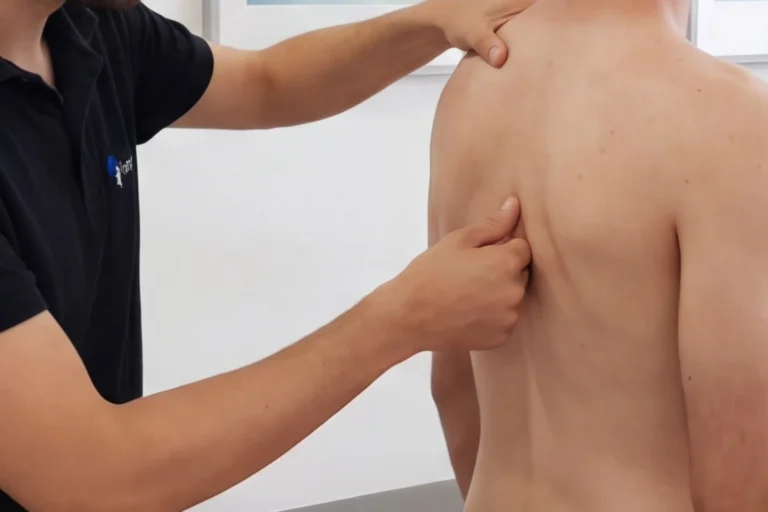
In Integrative Medicine, we do not apply a single method. We integrate these principles into our practice. Physiotherapy, in the Osteopathy and no Clinical Pilates and Reformer, By adapting them to each person. In general, the follow-up includes:
- A comprehensive evaluation, which considers the history of pain, the examinations performed, the person's beliefs and concerns, sleep, physical activity, and the life context;
- The observation of movement, With special attention paid to painful or avoided activities and the way they are performed;
- Exploration of alternatives, By testing, in consultation with the patient, different ways of performing the movement and observing its effect on the symptoms;
- The definition of goals with meaning, focused on what the person wants to do again;
- A progressive plan, which combines exercise, gradual exposure to activities, and strategies for everyday life.
Manual techniques can play a complementary role, particularly in relieving symptoms and facilitating movement, but the focus is on developing the person's autonomy and confidence in their body.
When sleep, stress or emotional state play a relevant role in the pain, the connection with the Psychology or with Nutrition It can complement the follow-up, according to the needs of each person.
What to expect throughout the process?
Recovery from chronic pain is rarely linear. It is normal to have better and worse days, and a single flare-up does not mean the process has failed. Over time, it is expected that the episodes of pain become less frequent, less intense, and easier to manage.
More than the total absence of pain, the goal is for the person to understand their condition, recognize what aggravates it and what relieves it, and have the tools to continue progressing independently.
Understanding chronic pain from an integrative perspective
Chronic pain is a complex experience that cannot be explained solely by the state of the tissues. Understanding its mechanisms, identifying the factors that maintain it, and gradually returning to movement are fundamental steps for restoring functionality and quality of life.
If you have been living with pain for several months and feel that you have tried various solutions without lasting results, an individualized assessment can help you look at the problem in a different way and define a path tailored to your needs.
David Brandão | Osteopath and Physiotherapist
Specialised in Clinical Psychoneuroimmunology
Physiotherapist Card: 3652 | Order of Physiotherapists // Osteopath Card: C-0031697 | ACSS
Integrativa | Health and well-being as a lifestyle
This website and its content are for information purposes only and are not a substitute for medical or health professional advice. Each person's treatment should be individualised and guided by health professionals. Do not make any changes to your treatment without contacting the doctor or health professional accompanying you.
Related articles