


Melatonin is a central hormone in the regulation of the sleep-wake cycle and plays an important role in the overall physiological balance. It is associated with the organisation of the circadian rhythm, the quality of sleep and various processes of adaptation in the body.
Although it is commonly known as the “sleep hormone”, its regulation depends to a large extent on exposure to light throughout the day, particularly natural light.
How sunlight influences melatonin regulation
The relationship between sunlight and melatonin is essential in regulating the circadian rhythm and is well defined from a physiological point of view:
- Natural light is captured by the retina and transmitted via the optic nerve
- Light information is processed by the hypothalamus, more specifically by the suprachiasmatic nucleus, which is considered the main regulator of the circadian rhythm
- This system adjusts the internal biological clock, modulating the suppression of melatonin during the day and its progressive release at dusk
Thus, adequate exposure to light during the day contributes to more consistent circadian signalling, favouring the production of melatonin at night.
The physiological role of melatonin
Melatonin is involved in multiple regulatory processes, going beyond sleep induction:
- Sleep and circadian rhythmContributes to the synchronisation of sleep cycles, facilitating the transition between states of wakefulness and rest.
- Modulation of stress oxidative: It has antioxidant properties, helping to protect cells against oxidative stress.
- Inflammatory regulationIntervenes in inflammatory modulation mechanisms, with a possible impact on tissue recovery.
- Immune systemIt is associated with the regulation of immune responses, influencing the activity of certain defence cells.
- Brain functionParticipates in neuroprotection and neuronal adaptation processes.
- Hormonal balanceInteracts with other hormonal axes, including the stress, contributing to a more stable organisation of biological rhythms.
- Metabolism: The quality of sleep, which is partly dependent on melatonin, is related to metabolic and energy regulation.
- Emotional stateA more organised circadian rhythm can be associated with greater mood stability and subjective well-being.
Consequences of insufficient exposure to natural light
Reduced sun exposure, particularly in the morning, can interfere with circadian rhythm regulation and is associated with:
- Difficulty falling asleep
- Fragmented or superficial sleep
- Feeling of daytime fatigue
- Altered waking and resting cycles
Strategies to support the natural regulation of melatonin
Some behavioural measures can contribute to a more favourable circadian organisation:
- Regular exposure to natural light, especially in the early hours of the day
- Reducing exposure to bright artificial light at the end of the day, especially blue light from screens
- Maintaining a relatively consistent sleep schedule
- Balanced diet, with attention to nutrients involved in neurotransmitter synthesis
- Regular physical activity, preferably during the day
- Strategies for reducing physiological activation before going to sleep
- Sleeping environment with low light, silence and comfortable temperature
- Avoid stimulants in the afternoon and evening
Sleep and regulation throughout the day
Sleeping well doesn't just depend on when you go to bed, but on how your body is prepared throughout the day. Seemingly simple habits, such as regular exposure to natural light or organising daily routines, can have a significant influence on the quality of sleep.
The quality of sleep is the result of the interaction between multiple stimuli throughout the day, such as exposure to natural light, movement, food, the stress and our routines. These factors continuously influence the regulation of the nervous, immune and endocrine systems.
In Clinical Psychoneuroimmunology, sleep is considered to be a central and fundamental regulatory process, conditioned by biological and environmental factors, and not just the duration of rest. Clinical assessment therefore considers the regularity of sleep schedules, the depth of sleep and its organisation throughout the night.
This approach makes it possible to identify patterns of dysregulation that may be associated with symptoms such as persistent fatigue, difficulty falling asleep or maintaining sleep, mood swings or greater vulnerability to inflammatory processes, guiding an intervention tailored to each person.
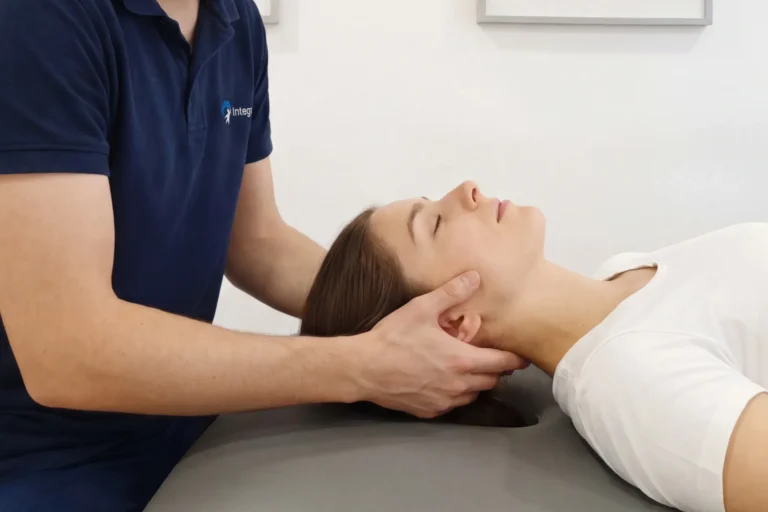
The Integrative Osteopathy consultation, with a framework in Clinical Psychoneuroimmunology, allows for an individualised assessment of sleep patterns, circadian rhythm and factors that may be interfering with physiological regulation, allowing for a better understanding of the factors involved and supporting the definition of strategies adjusted to your context and individual needs.
David Brandão | Osteopath and Physiotherapist
Specialised in Clinical Psychoneuroimmunology
Physiotherapist Card: 3652 | Order of Physiotherapists // Osteopath Card: C-0031697 | ACSS
Integrativa | Health and well-being as a lifestyle
This website and its content are for information purposes only and are not a substitute for medical or health professional advice. Each person's treatment should be individualised and guided by health professionals. Do not make any changes to your treatment without contacting the doctor or health professional accompanying you.
Related articles