


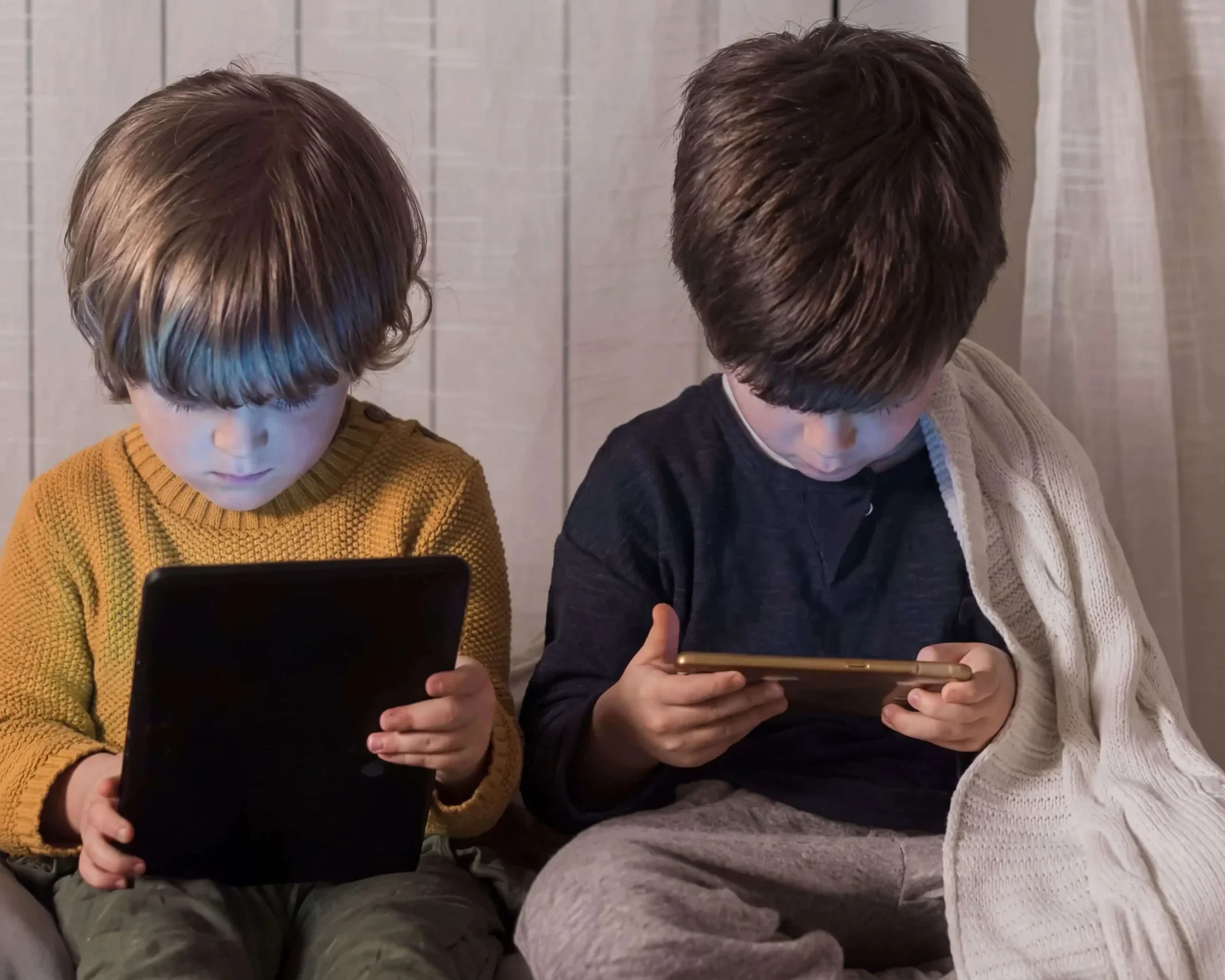
We live in a digital age where children have contact with tablets, mobile phones and televisions from a very early age. While technology can have educational benefits when used well, excessive screen time can interfere with brain, emotional and social development.
In this article, we explore what neuroscience tells us about this topic and how it can support children's healthy and balanced development.
Boredom is essential for brain development.
When a child experiences moments of boredom, their brain isn't inactive. On the contrary, neuroscience shows that it enters states of activity that promote internal organisation, information integration, and the development of cognitive and emotional skills.
Boredom contributes to:
- The development of creativity, by stimulating imagination and the ability to create one's own games
- Increasing frustration tolerance by teaching how to deal with unpleasant emotions
- The development of motivation and problem-solving, by encouraging the child to find ways to entertain themselves
When the screen arises as an immediate response to boredom, this process is interrupted. The child begins to adapt to high levels of stimulation and patterns of immediate gratification, which can compromise the development of tolerance for waiting and emotional regulation.
Reward system and digital addiction
Biorhythm, sound and blue light
The organism functions according to biological rhythms, specifically the circadian rhythm, largely regulated by exposure to light.
The blue light emitted by screens interferes with the secretion of melatonin, a hormone central to the regulation of the sleep-wake cycle. Exposure, particularly at the end of the day, can delay the onset of melatonin secretion and desynchronise a child's circadian rhythm.
The main consequences include:
- Difficulty falling asleep
- I am more superficial and less repairing
- Changes in mood and emotional regulation
- Impact on attention and performance during the day
Given the role of sleep in brain maturation and neurophysiological regulation, respecting a child's biological rhythm is essential for healthy development.
In this context, limiting screen exposure in the hours leading up to sleep is particularly relevant.
Effects of excessive screen use on the child's brain
Research in neuroscience and developmental psychology points to several consequences associated with excessive screen use.
- Reduced tolerance to frustration Frequent exposure to rapid stimuli and immediate rewards can interfere with the development of the prefrontal cortex, which is responsible for self-control and emotional regulation.
- Impact on language development Passive screen time, such as watching videos or cartoons, reduces verbal interactions with adults, which are fundamental for language and vocabulary development.
- Attention difficulties Content with rapid image changes can contribute to concentration difficulties and increased impulsivity.
- Changes in sleep: Exposure to blue light from screens interferes with melatonin production, making it harder to fall asleep and compromising sleep quality.
- Reduced social interaction Excessive use of devices can reduce group play time, which is essential for developing social skills and empathy.
- Risk of digital dependency: Children's brains are particularly sensitive to the reward system. Frequent screen use can increase the risk of repetitive behaviours and addiction.
How to use screens in a balanced way
Scientific evidence does not support the complete elimination of screens, but rather conscious and balanced use.
Some practical recommendations:
- Lead by example, by reducing your own screen time.
- Definir limites claros de utilização
- Following the World Health Organization's recommendations, exposure should be avoided for children under 2 years old, and for children aged 2 to 5, up to 1 hour per day with supervision.
- Choose content that is age-appropriate and has a calmer visual pace.
- Monitor screen time with interaction, talking to the child about what they are watching
- Prioritise non-screen activities, such as free play, reading, music or outdoor activities.
It's not about eliminating, but about promoting conscious and responsible use.
Boredom is a part of healthy childhood development. It is in these moments that creativity, autonomy, and problem-solving skills emerge.
Screens can play a positive role when used in moderation, but they don't replace human interaction, free play, and family time.
Scientific evidence shows that child development depends on balanced stimuli, which respect the biology and needs of each stage. In this context, the use of screens should be understood as a variable with a direct impact on brain, emotional, and behavioural regulation.
As in other areas of healthcare, it's not about elimination, but about framing. The way, the timing, and the context in which screens are used make all the difference to their impact.
But it doesn't mean better. The benefit lies in the suitability of the stimulus to the child's development.
Promoting this balance, between technology, interaction and moments of boredom, is essential for healthier, more resilient and future-ready development.
Taking on this responsibility starts with small daily decisions: setting boundaries, being present, and prioritising what truly contributes to a child's development.
David Brandão | Osteopath and Physiotherapist
Specialised in Clinical Psychoneuroimmunology
Physiotherapist Card: 3652 | Order of Physiotherapists // Osteopath Card: C-0031697 | ACSS
Integrativa | Health and well-being as a lifestyle
This website and its content are for information purposes only and are not a substitute for medical or health professional advice. In all cases, treatments should be individualised and guided by health professionals. Do not make any changes to your treatment without contacting the doctor or health professional accompanying you.
Related articles