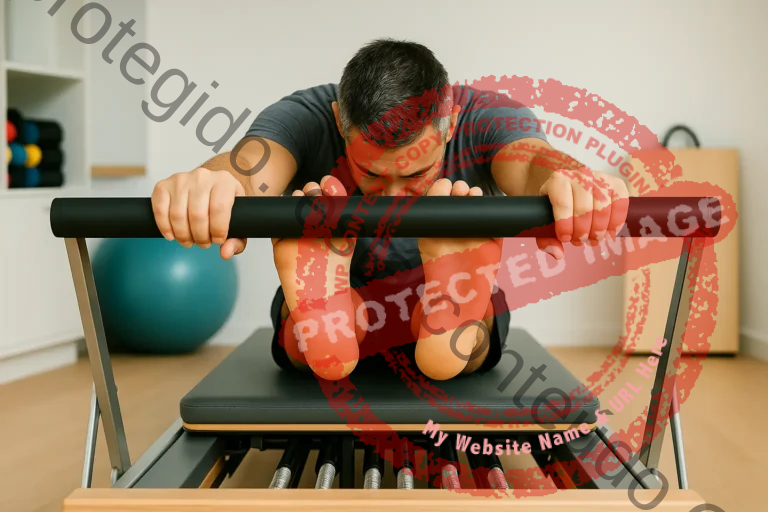


Osteoporosis is associated with changes in bone strength and an increased risk of fracture. In this context, the practice of adapted physical exercise assumes particular importance, especially when it incorporates muscle strength training, balance, postural control, and functional movement.
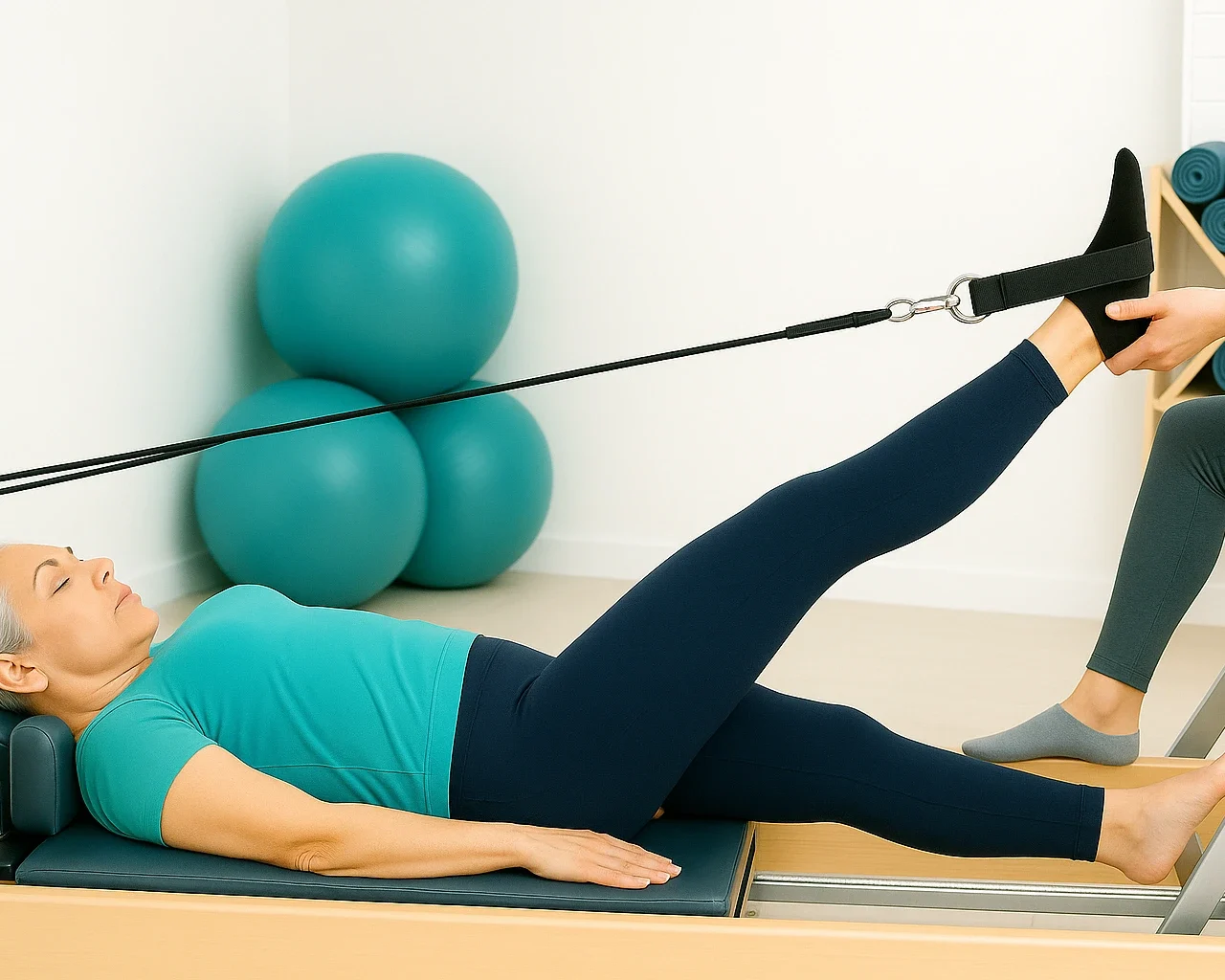
Clinical Pilates, when supervised by a physiotherapist and tailored to each individual's condition, can be a suitable exercise option for people with osteoporosis, contributing to the improvement of various components of physical function.
What is osteoporosis?
Osteoporosis is a skeletal disease characterised by decreased bone mineral density and changes in the microarchitecture of bone tissue, which compromise bone strength and increase the risk of fracture.
It can affect both men and women, although it is particularly common in older people and in women after the menopause.
It is often described as a silent disease, since the loss of bone strength occurs progressively and, frequently, without obvious symptoms. In some people, the first clinical manifestation may be a fracture following low-impact trauma.
The consequences of fractures associated with osteoporosis can affect mobility, functional autonomy, participation in activities of daily living and quality of life.
In addition to the pharmacological approach, when indicated, non-pharmacological strategies play a relevant role in the management of osteoporosis. Among these, adapted physical exercise stands out, particularly exercise that promotes muscle strength, balance, coordination and functional capacity.
Appropriate exercise practice can also help to reduce factors related to the risk of falling and help to preserve physical function throughout ageing.
What is Clinical Pilates?
Clinical Pilates corresponds to an adaptation of the principles of the Pilates method to the context of physiotherapy.
Your application starts from an individualised assessment, which allows factors such as clinical condition, mobility, muscle strength, balance, posture, presence of pain, history of fractures, functional capacity and each person's goals to be considered.
The practice integrates principles such as:
- Movement control and precision
- Activation and control of trunk musculature
- Postural alignment
- Coordination between movement and breathing
- Body awareness
- Gradual progression of exercises
- Controlled execution adapted to individual capacity
In people with osteoporosis, this individualisation takes on particular importance. Some traditional Pilates exercises may need adaptation, particularly when they involve wide, repeated movements or are performed under load in certain spinal positions.
Therefore, the choice of exercises must take into account the individual fracture risk, the presence of previous vertebral fractures, physical capacity and prior exercise experience.
What are the benefits of Clinical Pilates in osteoporosis?
1. Increase in muscular strength
Osteoporosis can coexist with muscle mass and strength loss, particularly as one ages.
Clinical Pilates allows different muscle groups to be worked progressively, including the trunk muscles, the lower limbs and the muscles responsible for stabilisation and postural control.
The development of muscular strength is relevant not only for movement, but also for everyday activities such as getting out of a chair, climbing stairs, walking or carrying objects.
2. Improved balance and reduction of factors associated with falls
Falls are one of the main mechanisms associated with the occurrence of fractures in people with bone fragility.
Clinical Pilates can incorporate exercises directed at static and dynamic balance, coordination, proprioception and postural control.
The development of these capabilities can contribute to greater stability during gait and during activities of daily living, particularly when the exercise is integrated into a more comprehensive falls prevention programme.
3. Reduction of pain and stiffness
Some people with osteoporosis experience pain, stiffness or limited movement, particularly when there are postural changes, a loss of muscle strength or a history of fractures.
The practice of adapted exercise can help to improve mobility, muscle capacity and confidence in movement. In certain clinical contexts, these changes may be associated with a reduced perception of pain and stiffness.
However, the answer is individual and depends on the origin of the symptoms and each person's functional condition.
4. Improvement of posture and body awareness
Postural changes can become more evident in some people with osteoporosis, particularly in the presence of vertebral fractures.
Clinical Pilates makes it possible to work on body alignment, trunk control, the extensor muscles of the spine, and postural awareness.
These components can encourage a more functional posture and better movement organisation during tasks such as walking, sitting, standing up, reaching for objects or carrying out household activities.
5. Contribution to bone health
Bone health responds to the mechanical stimuli produced by exercise, although the effect on bone mineral density depends on the type of exercise, intensity, applied load and progression over time.
Clinical Pilates can integrate strengthening exercises and resistance-based activities, contributing to a comprehensive exercise strategy tailored to the individual with osteoporosis.
However, its role should not be considered in isolation. When clinically appropriate, bone health programmes can integrate different exercise modalities, including muscle strengthening, weight-bearing exercises, balance and other forms of physical activity tailored to individual fracture risk.
6. Improvement of function and quality of life
The ability to move around safely and confidently is particularly important in people with osteoporosis.
By working on strength, balance, coordination, posture and movement control, Clinical Pilates can help preserve or improve functional independence and facilitate participation in daily activities.
The gradual progression of exercise can also help some people regain confidence in their physical abilities and reduce the fear associated with movement or the possibility of a fall.
Clinical Pilates with osteoporosis: why is an individualised assessment important?
Osteoporosis does not manifest itself in the same way in everyone. Fracture risk, the existence of previous fractures, bone mineral density, muscle strength, balance, posture and other health conditions must be considered before defining an exercise programme.
An assessment carried out by a physiotherapist makes it possible to identify functional limitations and capabilities and to select exercises suitable for each person.
This assessment is particularly relevant in people who present with:
- History of vertebral fractures or multiple fractures
- Major postural changes
- Persistent pain
- Balance difficulties or history of falls
- Significant reduction in mobility or muscle strength
- Fear of performing certain movements
- Other clinical conditions that may interfere with exercise
In these cases, adapting the amplitude, resistance, position and progression of the exercises makes it possible to tailor the practice in a safer and more individualised way.
Understanding Clinical Pilates in osteoporosis from an integrative perspective
Clinical Pilates can be a relevant component of an individualised exercise programme for people with osteoporosis, especially due to its potential to work on muscle strength, balance, postural control, coordination and functional capacity.
Your contribution must be framed within a comprehensive approach to bone health that considers individual fracture risk, physical activity levels, diet, fall-related factors, musculoskeletal condition and the medical guidelines applicable to each person.
In the presence of osteoporosis, and particularly when there are previous fractures or relevant functional limitations, assessment by a healthcare professional enables the definition of a progressive exercise practice adapted to individual characteristics.
Rita Xarepe | Physiotherapist and Clinical Pilates Instructor by APPI
Physiotherapist Card: 4209 | Order of Physiotherapists
Integrativa | Health and well-being as a lifestyle
This website and its content are for information purposes only and are not a substitute for medical or health professional advice. In all cases, treatments should be individualised and guided by health professionals. Do not make any changes to your treatment without contacting the doctor or health professional accompanying you.
Related articles