

What is physiotherapy and what is the role of the physiotherapist?
Physiotherapy is an area of health dedicated to the study, prevention, treatment and rehabilitation of human movement disorders. Physiotherapists are professionals specialising in this area and their aim is to help reduce pain, improve functionality and promote quality of life. They can intervene both in situations of injury and in a preventative manner.
Physiotherapy is often associated only with recovery from injuries or episodes of severe pain. However, its intervention can cover other dimensions of health, including the promotion of movement and the prevention of problems related to function.
When to seek physiotherapy for pain or limited movement
Whenever pain, stiffness or difficulty in movement appear, or when a particular gesture, activity or exercise is no longer comfortable or efficient, it may be advisable to see a physiotherapist. However, you don't have to wait for pain to appear to benefit from an assessment.
Through an assessment of movement and function, the physiotherapist observes the way the body moves and can identify imbalances, compensations, limitations or overload patterns which, in some cases, are associated with the onset of pain or injury. In certain situations, this approach allows for earlier and more preventative action.
Areas of physiotherapy intervention
Physiotherapy covers various areas of intervention, focusing on movement, functionality, injury prevention and improving quality of life.
- Physiotherapy and Sports RehabilitationIndicated for athletes and physical activity practitioners who want to recover from injuries, reduce the risk of relapses and improve physical and functional performance, with a focus on correcting movement patterns.
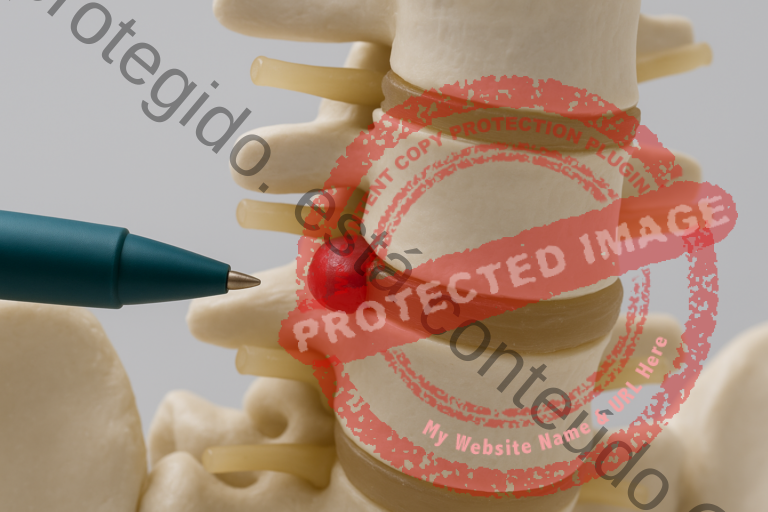
- Musculoskeletal Physiotherapy: Targeted at muscular and joint pain and dysfunction, such as lumbago, cervicalgia, herniated discs, sciatica, tendonitis and joint injuries. As well as relieving symptoms, the intervention can help restore movement and reduce the risk of recurrence.
- Pelvic Physiotherapy and Women's HealthArea focused on female pelvic health, covering situations such as postpartum, menopause, urinary incontinence, pelvic pain and pelvic floor dysfunctions, often integrating educational and preventive components.
- Neuromuscular / Neurological Physiotherapy: Aimed at people with neurological or neuromuscular conditions, such as stroke, multiple sclerosis and other nervous system pathologies, with the aim of supporting the recovery of function, autonomy and the prevention of associated complications.
- Cardiorespiratory PhysiotherapyIndicated for the prevention and rehabilitation of heart and respiratory diseases, and can help improve oxygenation, bronchial drainage, functional capacity and general well-being.
- Physiotherapy specialising in the Temporomandibular Joint (TMJ): Aimed at people with complaints such as jaw pain, joint clicking, limited mouth opening, tinnitus or headaches associated with TMJ dysfunctions, acting to relieve symptoms and address the factors involved.
- Physiotherapy specialising in the treatment and recovery of Facial ParalysisSpecific and individualised intervention, which may use neuromuscular and manual re-education techniques with the aim of promoting the recovery of facial expression, symmetry and motor control, reducing the long-term functional impact.
How the physiotherapy assessment and treatment plan works
After the assessment, the physiotherapist draws up an individualised therapeutic plan, tailored to each person's needs, objectives and life context. The intervention may include manual therapy, therapeutic exercise or Clinical Pilates, according to the defined objectives, seeking to improve movement, reduce pain and promote greater autonomy.
At Integrativa, this approach is personalised, seeking to optimise results and promote sustained functional gains over time.
Physiotherapy as a global and preventive approach
Physiotherapy can be understood as a global approach to the body and movement, not just limited to the treatment of pain or injury. Factors such as posture, daily habits, physical activity, work, sleep and the management of stress can influence physical health and functionality.
By intervening in these aspects, Physiotherapists can help prevent injuries, improve body awareness and promote more appropriate movement habits. Regular, preventative physiotherapy sessions can be a useful strategy for keeping the body functional, active and with a better quality of life over time.
Physiotherapists therefore play an important role in monitoring health, movement and well-being, and can support each person at different stages of life, both in pain management and prevention.
David Brandão | Osteopath and Physiotherapist
Physiotherapist Card: 3652 | Order of Physiotherapists // Osteopath Card: C-0031697 | ACSS
Integrativa | Health and well-being as a lifestyle
This website and its content are for information purposes only and are not a substitute for medical or health professional advice. In all cases, treatments should be individualised and guided by health professionals. Do not make any changes to your treatment without contacting the doctor or health professional accompanying you.
Related articles