


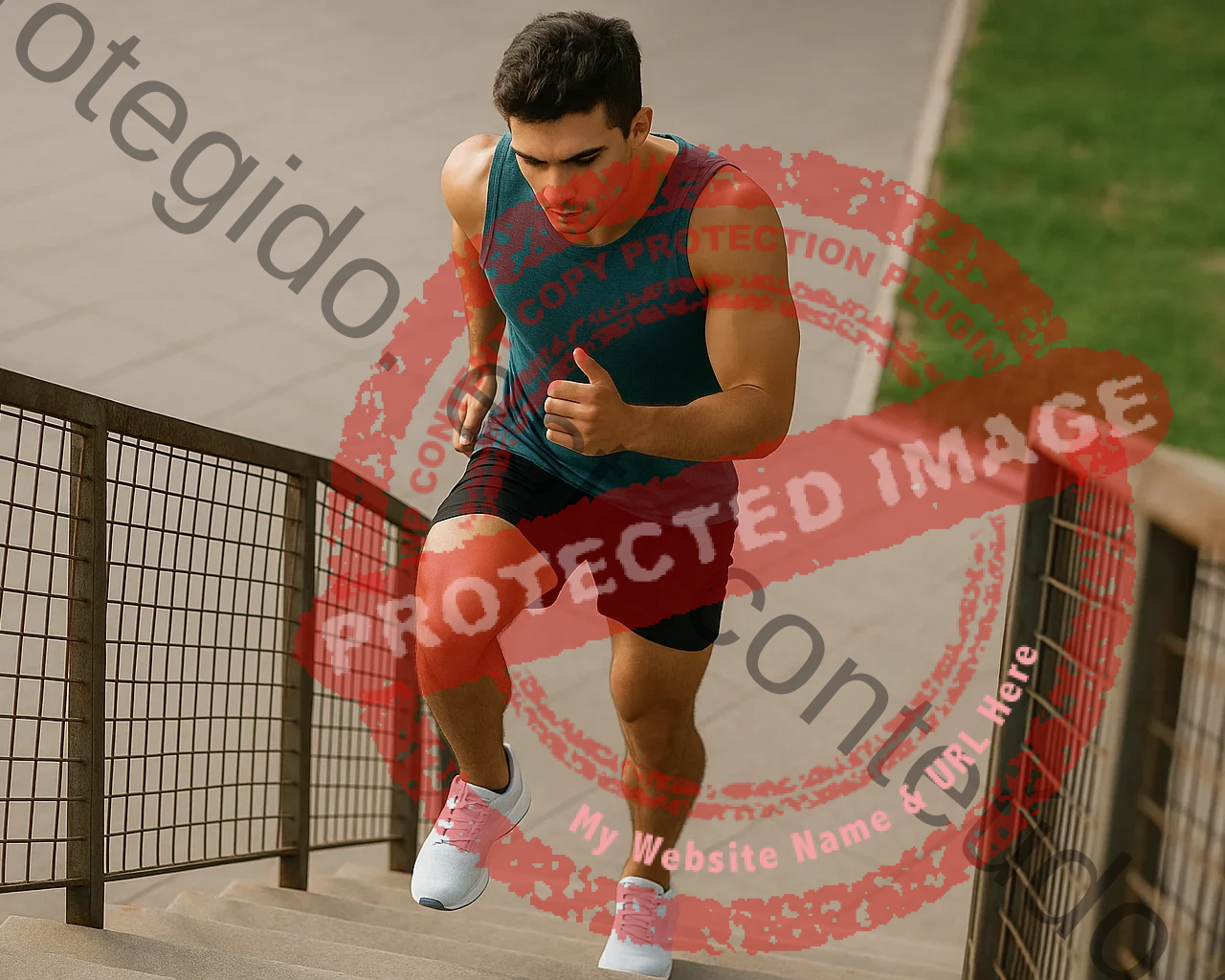
The practice of physical exercise not only brings benefits to cardiovascular and muscular health, but also plays a fundamental role in inflammation regulation and strengthening the immune system. One of the main reasons for this positive effect lies in the release of interleukin-6 (IL-6) by muscles during physical activity.
How Exercise Reduces Inflammation
During physical exertion, muscles release IL-6, a myokine that has a direct impact on the body's inflammatory response. This substance promotes the production of IL-10, an anti-inflammatory cytokine, while simultaneously inhibiting IL-1β, an inflammatory mediator associated with various chronic diseases. Thus, IL-6 acts as a true modulator of inflammation, helping to reduce inflammatory processes that can cause pain and other health problems.
Impact on the Immune System
In addition to its anti-inflammatory effect, IL-6 stimulates the production of neutrophils, cells essential for the body's defence against infections. This enhanced immune response contributes to a better balance in the functioning of the immune system, helping to reduce the excessive production of self-reactive bodies. This is particularly relevant for individuals with autoimmune diseases, where the immune system attacks the body's own healthy tissues.
Long-Term Benefits
Maintaining an active lifestyle can have profound effects on the prevention and management of various inflammatory and immunological conditions. People who exercise regularly have a lower risk of developing chronic diseases, such as arthritis, type 2 diabetes, and cardiovascular diseases, largely due to the anti-inflammatory effect of movement.
Furthermore, exercise also contributes to general well-being, helping to reduce stress and improve sleep quality, factors that also influence inflammation regulation and immune health.
What is the most suitable type of exercise?
To obtain these benefits, intense exercise is not necessary. Moderate-intensity activities, such as walking, light jogging, yoga, or resistance training, are sufficient to stimulate the release of IL-6 and strengthen the immune system. The most important thing is to maintain regularity and adapt the exercise to your needs and limitations.
Science, such as that in Clinical Psychoneuroimmunology, has demonstrated that physical exercise goes far beyond muscle strengthening or weight loss. Its influence on reducing inflammation and modulating the immune system is a valuable asset for overall health. Adopting an active lifestyle can be a simple and effective strategy for improving quality of life and preventing various diseases. Therefore, regardless of age or physical condition, moving is one of the best ways to take care of your health!
David Brandão Physiotherapist, Osteopath and Clinical Psychoneuroimmunology Specialist
Integrativa | Health and well-being as a lifestyle
This website and its content are for information purposes only and are not a substitute for medical or health professional advice. Each person's treatment should be individualised and guided by health professionals. Do not make any changes to your treatment without contacting the doctor or health professional accompanying you.
Related articles