


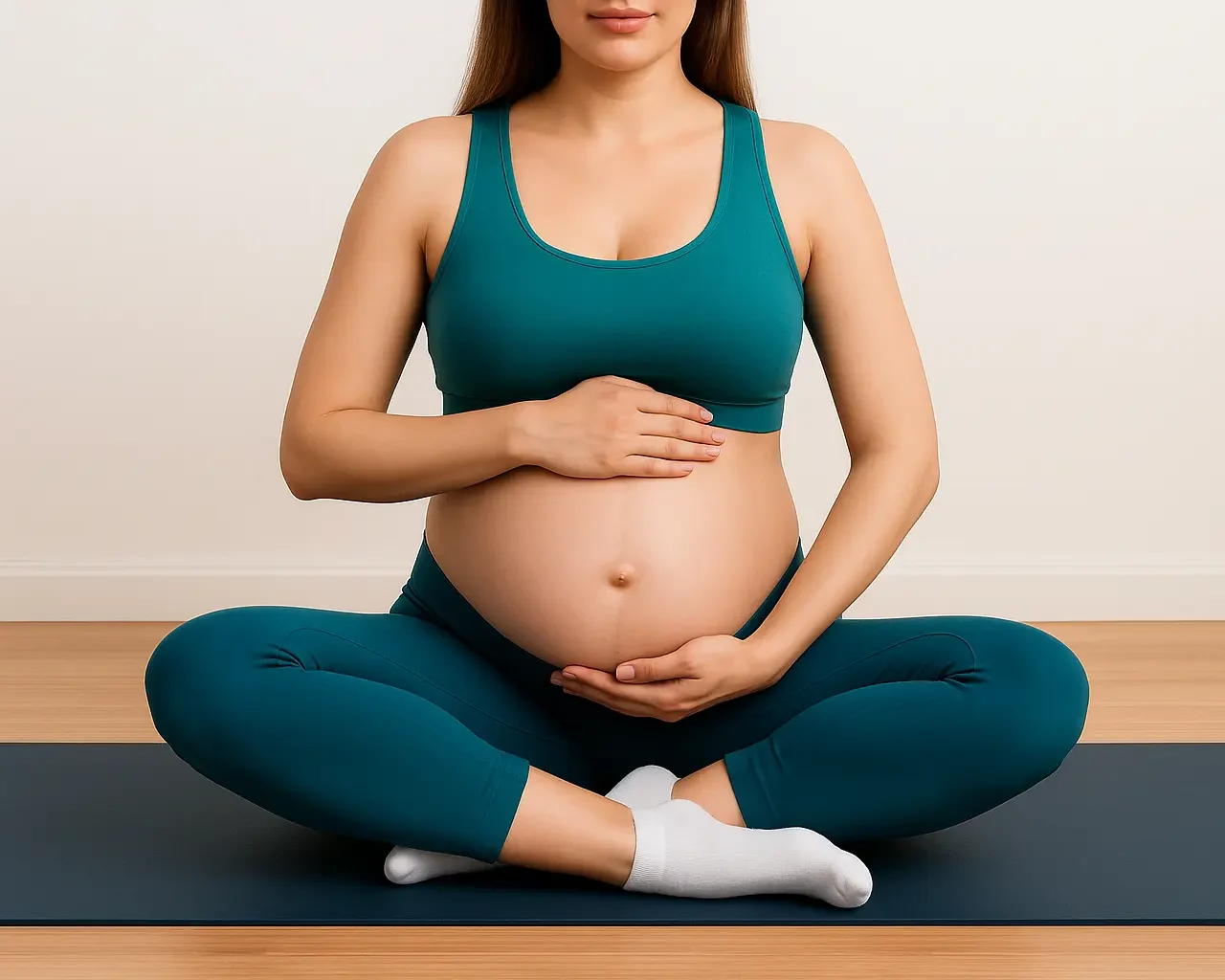
The journey of motherhood is one of the most transformative in any parent's life. During pregnancy and the postpartum period, it's natural for various questions and challenges to arise. To help with this process, many parents seek out specialised courses that offer guidance and support.
Physical and emotional preparation during pregnancy
Taking part in an antenatal course is fundamental to understanding the changes that occur in the body during pregnancy. Through a comprehensive educational approach, these courses cover topics such as the baby's development, physical preparation for childbirth, and strategies for dealing with emotional transformations. In this context, the presence of physiotherapists is an asset, as they offer specialised insight into bodily health, helping expectant mothers to strengthen their pelvic floor and improve posture, thereby preventing common pregnancy pains.
The father's role in pre and post-natal courses
It is important to highlight that the father's role in these courses is as essential as the mother's. The father's active participation provides vital emotional support during pregnancy and childbirth. At Integrativa, during our antenatal classes, we teach fathers how to support their partners through massage techniques, breathing exercises, and strategies to help manage the pains and discomforts of labour. Furthermore, the knowledge gained in these courses helps fathers feel more confident and prepared to face the challenges of childbirth and newborn care.
Topics covered in antenatal and postnatal courses
At Integrativa, the pre and post-natal courses offered cover a wide range of topics, all designed to equip parents with practical knowledge and skills. Furthermore, these courses are led by physiotherapists specialising in the areas of birth preparation and the post-natal period. Some of the key themes include:
- Pregnancy and Birth Physiology: Understanding the physical and emotional changes that occur during pregnancy and childbirth, including baby development and the birth process.
- Exercises and physical preparation: techniques for working the pelvic floor muscles, stretches to relieve common pregnancy pains and physical preparation for labour.
- Breathing and Relaxation Techniques: Methods to help the mother relax during labour and cope with pain more effectively.
- Post-natal Care: Strategies for post-natal recovery, including exercises to regain abdominal strength and care for the pelvic floor.
- Newborn Care: Practical skills such as breastfeeding, nappy changing, baby bathing, and identifying signs of discomfort or illness.
How these courses empower parents
The education provided in these courses goes beyond simple instruction; it empowers parents by:
- Building trust The knowledge gained helps parents feel more confident in their abilities to cope with childbirth and baby care.
- Strengthen the relationship Active participation in the courses allows fathers to better understand what the mother is going through, strengthening emotional support and the partnership in caring for the baby. In other words, it involves fathers in the entire process, allowing them to play an active role.
- Promoting health and well-being By learning about physical and emotional care for both mum and baby, parents are better prepared to face challenges and promote a healthy environment for the new family.
Pre- and postnatal courses are an essential tool for any pregnant woman and for parents who wish to be well prepared for the stages of birth and recovery. The presence of physiotherapists in these courses adds a layer of specialised care that can make all the difference to the health and well-being of the mother, father, and baby. Choosing a course with this specialised approach is undoubtedly a valuable investment for a healthier and more peaceful maternity and paternity.
Alexandra Gomes | Physiotherapist
Integrativa | Health and well-being as a lifestyle
This website and its content are for information purposes only and are not a substitute for medical or health professional advice. Each person's treatment should be individualised and guided by health professionals. Do not make any changes to your treatment without contacting the doctor or health professional accompanying you.
Related articles




[DISPLAY_ULTIMATE_SOCIAL_ICONS]