

Low back pain is one of the most frequent complaints in the adult population, affecting millions of people worldwide.
For a long time, absolute rest was the main recommendation for relieving this type of problem. However, it is now known that prolonged inactivity can have significant negative consequences, such as: weakening of the muscles that support the spine; loss of stability, mobility and flexibility; and increased joint stiffness. Together, these factors can intensify pain and worsen functional limitations.
On the other hand, movement, when carried out properly and guided by a professional, is an essential element in the recovery process. It helps to activate the supporting muscles, improves stability, mobility and flexibility, and helps to reduce joint stiffness. It also favours blood circulation, reduces local inflammation and stimulates the release of endorphins, natural substances in the body that relieve pain and promote a feeling of well-being.
What stage are you at?
The answer to the question “should I push myself or rest?” really depends on the stage you are at. There isn't a single answer – and that's precisely why professional guidance is essential.
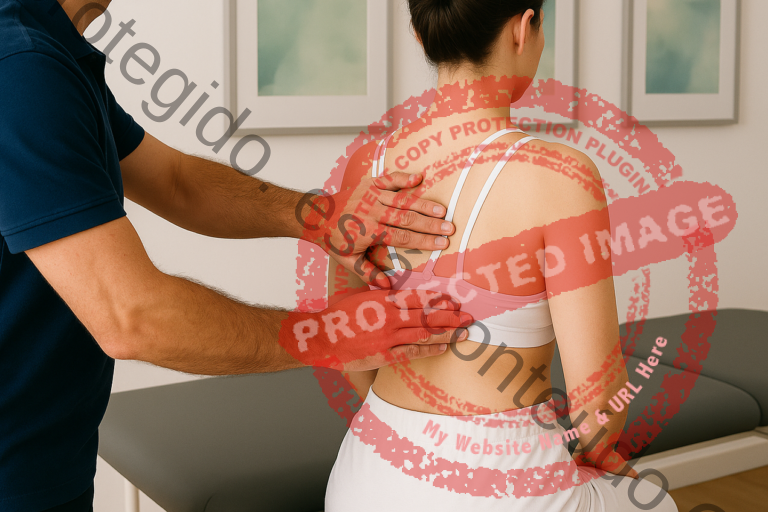
- Acute phase (early days) The aim is to control pain and inflammation. Movement is possible but should be gentle and supervised, with short walks, gentle mobilisation and avoiding postures that aggravate symptoms. It is in this phase that physiotherapy can make an immediate difference.
- Rehabilitation phase (subsequent weeks) The goal is to regain strength, mobility, and stability. This is where muscle strengthening exercises, progressive stretching, and Clinical Pilates come in, addressing the cause of the problem, not just the symptoms.
- Maintenance phase (Long-term) The goal is to prevent relapses and maintain functional balance. A regular, adapted, and supervised exercise programme is the best strategy for preventing lower back pain from limiting your life again.
Some recommended activities include:
- Hiking light – A safe and affordable way to keep your body active without overloading your lower back
- Stretching soft – They should be carried out under the guidance of a health professional, respecting the body's limits
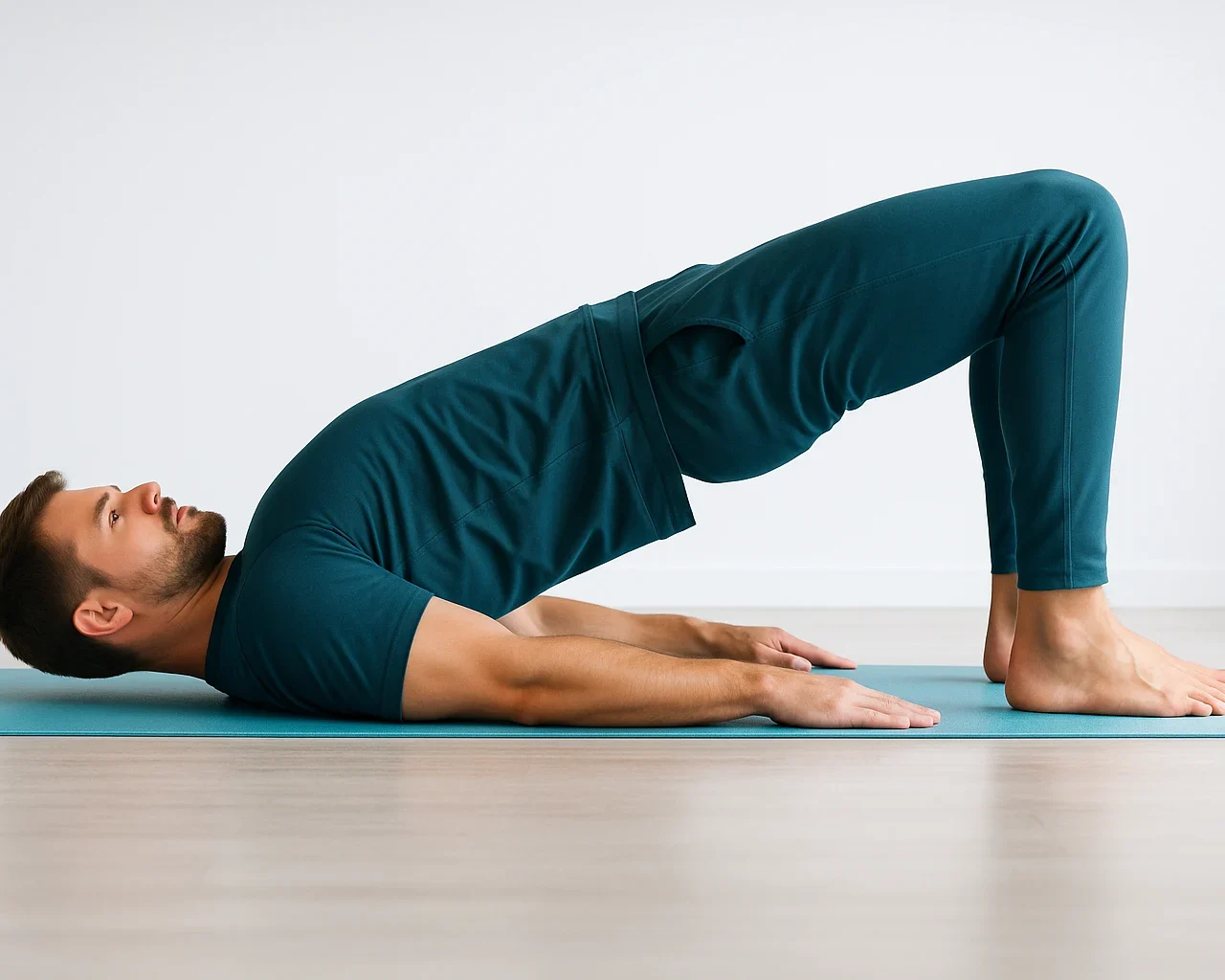
- Exercises of reinforcement muscular – Strengthening the abdominal and lumbar muscles is essential for supporting the spine
- Pilates clinical – Unlike gym-based Pilates, it is led by specialist-trained physiotherapists, with specific clinical objectives: strength, motor control, body awareness, and relapse prevention. Particularly indicated during the rehabilitation and maintenance phase.
- Physiotherapy Personalised intervention to relieve pain, identify the cause of the problem and define a recovery plan tailored to your stage
It is very important that exercise is appropriate and adapted to each person's condition and supervised by a health professional.
Movement is an essential ally in the prevention and treatment of lower back pain. Staying active, while respecting your body's limits, is one of the best ways to reduce pain, regain functionality, and improve your quality of life.
If you suffer from lower back pain, don't expect it to limit your routine.
Book a Physiotherapy and discover how guided movement can relieve pain, strengthen the spine and give you back freedom of movement.
At Integrativa, our team of specialised physiotherapists and osteopaths is ready to accompany you with a personalised plan that promotes safe and lasting recovery.
Rita Xarepe | Physiotherapist
Physiotherapist Card: 4209 | Order of Physiotherapists
Integrativa | Health and well-being as a lifestyle
This website and its content are for information purposes only and are not a substitute for medical or health professional advice. Each person's treatment should be individualised and guided by health professionals. Do not make any changes to your treatment without contacting the doctor or health professional accompanying you.
Related articles