


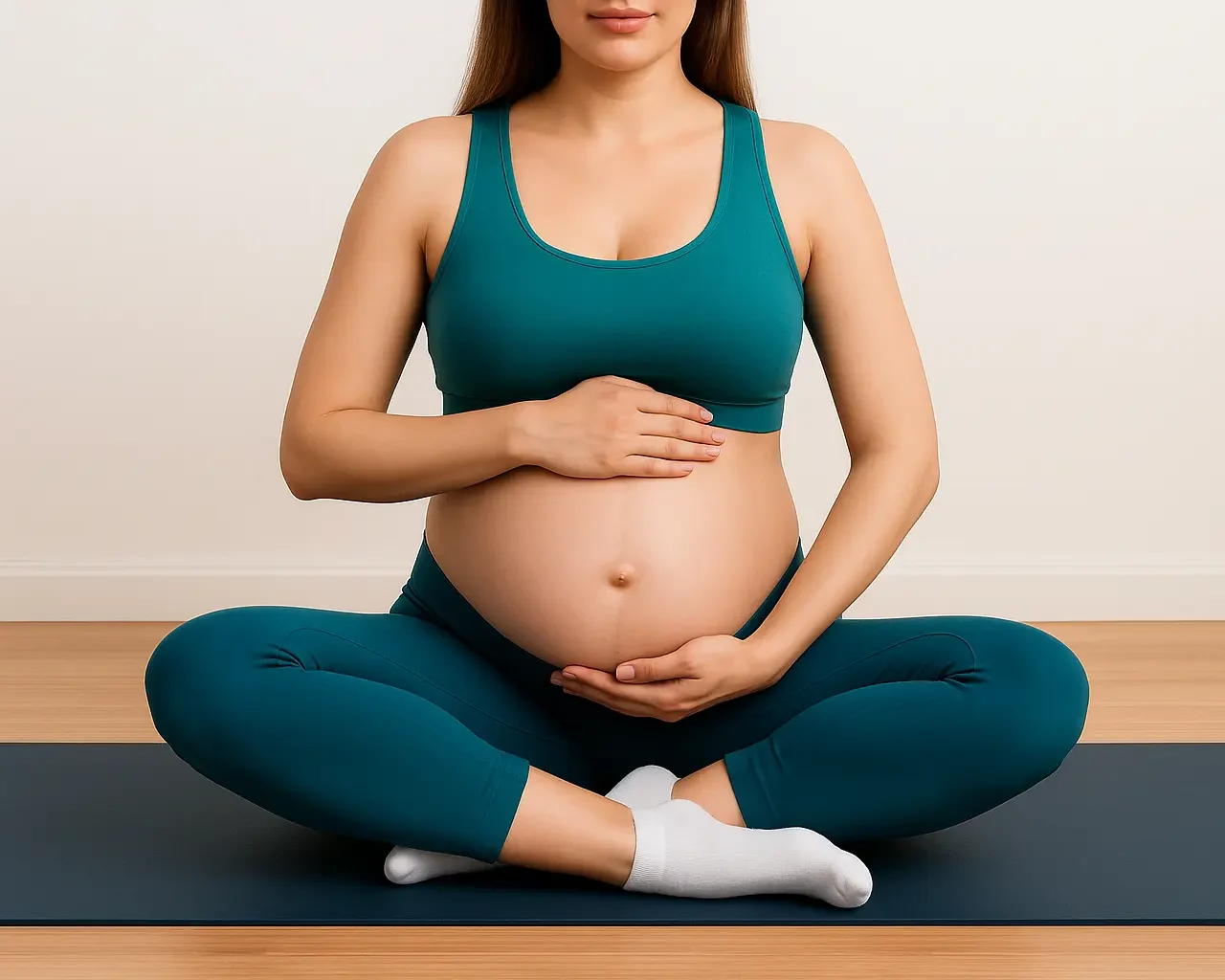
During pregnancy, the body undergoes several physical and hormonal changes that can directly influence the functioning of the pelvic floor. Although symptoms such as urine leakage, a feeling of heaviness in the vaginal area, or pelvic discomfort are relatively common, they should not be considered normal from a clinical point of view.
In practice, many women only seek help when symptoms are already interfering with their daily lives, even though these changes can be prevented or minimised with adequate support.
A Pelvic Physiotherapy plays a fundamental role at this stage, not only in symptom management but also in preparing the body for childbirth and postpartum recovery. Through an individualised approach, it is possible to improve muscle control, body awareness, and adaptation to the demands of pregnancy.
In this guide, we answer the most frequently asked questions about pelvic physiotherapy during pregnancy, in a simple way and based on clinical practice.
O períneo é a região do corpo situada entre o ânus e os genitais. É composto por músculos e tecidos conectivos que suportam os órgãos pélvicos, como a bexiga e o útero.
The perineum is the muscular region between the vagina and the anus. It is part of the pelvic floor and helps with organ support and urinary and bowel control.
The pelvic floor is located at the base of your pelvis.
It is a set of muscles at the base of the pelvis that supports the bladder, uterus, and bowel, functioning as a support network.
Why is it important during pregnancy?
During pregnancy, the pelvic floor supports the growing weight of the baby and adapts to hormonal changes. This can lead to a loss of strength, altered coordination, or even excessive muscle tension.
Quais são os sinais de alerta?
- Urinary leakage
- Lower back or pelvic pain
- Feeling of heaviness or pressure in the vaginal area
- Difficulty controlling wind or faeces
What can I expect from a pelvic physiotherapy session?
A session is tailored to each person and proceeds in a calm and progressive manner. It typically includes:
- An initial conversation to understand symptoms, routine, and goals
- Detailed assessment of posture, breathing and pelvic floor function, including the ability to contract, relax and coordinate these muscles
- Tailored exercises, adjusted to each person's needs
- Education about the body and the pelvic floor, with practical explanations on daily habits, such as posture, breathing, going to the toilet, and strain management.
The aim is to improve body awareness, control and function of the pelvic floor progressively and safely.
How is the assessment carried out?
The assessment is adapted for pregnancy and may include external observation and, when relevant for a more complete analysis, internal assessment, always explained in advance and with consent.
Is the session painful?
No. There might be some mild discomfort at times, but it should never cause pain.
What clothes should I pack?
Comfortable clothing, similar to that worn for light exercise.
What type of exercises are recommended?
There are various types of exercises used in pelvic physiotherapy during pregnancy, always adapted to each person's needs.
Among the most common are:
- Exercises Kegel, to improve pelvic floor strength and control
- Breathing techniques that help with coordination and muscle relaxation
- Stretching and mobility exercises to reduce tension and improve overall body function
The most important thing is not just to strengthen, but to learn to contract and relax these muscles correctly.
Do I have to exercise at home?
Yes. Practising at home is essential for consolidating and maintaining results over time.
How many sessions are needed?
It depends on each case, but sessions are usually held weekly or fortnightly.
Pelvic physiotherapy helps with childbirth.
Yes. It helps to improve muscle control, body awareness, and the ability to relax, which are important aspects during labour.
Pode fazer fisioterapia pélvica em qualquer fase da gravidez?
Yes, with specific adaptations for each quarter.
When should I start?
If there are no complaints, it can be started at any stage of pregnancy, although it is recommended to start no later than the beginning of the third trimester. Nevertheless, the earlier you start, the greater the opportunity to prepare the body and prevent possible changes.
If symptoms exist, such as urine loss, pain, or a feeling of heaviness, it is best to seek medical advice as soon as they appear.
Is pelvic physiotherapy worth it even without symptoms?
Yes. Pelvic physiotherapy during pregnancy isn't just for treating symptoms, but also for preventing changes and preparing the body for childbirth. Many women without complaints benefit from this support.
And postpartum?
Post-partum, the ideal time to start is after the re-evaluation appointment with the obstetrician, which normally takes place between 6 to 8 weeks after birth.
A Pelvic Physiotherapy allows assessment of the pelvic floor and abdominal wall, aids muscle recovery, and helps prevent or treat symptoms such as urine loss, pain, or a feeling of weakness.
If there are any complaints, you don't need to wait. You should seek advice as soon as possible.
Pelvic Physiotherapy from an Integrative Perspective
Pelvic physiotherapy during pregnancy should not be viewed solely as a response to symptoms, but as an integral part of body care throughout this stage.
In clinical practice, it is common to support women who do not present with significant complaints but who benefit from a better understanding of their bodies and strategies that facilitate adaptation to the changes of pregnancy.
Understanding how the pelvic floor works, improving body awareness, and preparing the body for childbirth are fundamental aspects for a more informed, safe, and relaxed experience.
Small signs, such as urine leakage or a feeling of heaviness, although common, should not be ignored. Even in the absence of symptoms, preventative intervention can have a relevant impact on short- and long-term wellbeing.
If you are pregnant or planning to become pregnant, pelvic physiotherapy support allows your case to be assessed on an individual basis and strategies to be adapted to your specific needs.
Book an assessment of Pelvic Physiotherapy allows you to identify specific needs and start a plan tailored to your body and phase.
Alexandra Gomes Physiotherapist specialising in Pelvic Physiotherapy
Physiotherapist Card: 1459 | Order of Physiotherapists
Integrativa | Health and well-being as a lifestyle
This website and its content are for information purposes only and are not a substitute for medical or health professional advice. In all cases, treatments should be individualised and guided by health professionals. Do not make any changes to your treatment without contacting the doctor or health professional accompanying you.
Blog Articles