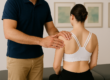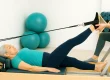



A fisioterapia pélvica pode ajudar no pós-parto de várias formas: * **Recuperação do pavimento pélvico:** Após o parto, os músculos do pavimento pélvico podem ter ficado enfraquecidos ou esticados. A fisioterapia pélvica pode ensinar exercícios para fortalecer estes músculos, ajudando a prevenir ou tratar a incontinência urinária e fecal, e a prolapsos de órgãos pélvicos. * **Alívio da dor:** O parto, especialmente um parto vaginal, pode causar dor na região pélvica, lombar e abdominal. A fisioterapia pélvica pode utilizar técnicas manuais, exercícios e conselhos para aliviar essa dor. * **Recuperação abdominal:** A diástase dos retos abdominais (separação dos músculos abdominais) é comum após a gravidez. Um fisioterapeuta pélvico pode avaliar e criar um plano para ajudar a fechar essa diástase e fortalecer os músculos abdominais. * **Melhoria da função sexual:** A recuperação do pavimento pélvico e o alívio da dor podem ter um impacto positivo na função sexual pós-parto, ajudando a recuperar a confiança e o conforto. * **Suporte para o regresso à atividade física:** Um fisioterapeuta pélvico pode orientar sobre como retomar a atividade física de forma segura e gradual, considerando as necessidades específicas do corpo pós-parto. * **Educação e aconselhamento:** Fornecer informações e conselhos sobre higiene postural, cuidados com o corpo e retorno às atividades diárias. É geralmente recomendado que as mulheres procurem a avaliação de um fisioterapeuta pélvico algumas semanas após o parto, mesmo que não apresentem sintomas aparentes, para garantir uma recuperação completa e eficaz.
The postpartum period is a time of many transformations in a woman's body. Regardless of how the birth went – C-section, vaginal birth with an episiotomy, tears, or without complications – pelvic physiotherapy can be a great ally in her recovery. In this article, we will answer the main questions we are asked about how pelvic physiotherapy can help you feel better and regain your quality of life.
Pelvic physiotherapy is a specialised area of physiotherapy that focuses on the assessment and treatment of conditions related to the pelvic floor muscles and associated structures.
Pelvic physiotherapy is a specialist area that assesses and treats dysfunctions related to the pelvic region, including the pelvic floor muscles. These muscles are fundamental for the support of internal organs, urinary and faecal control, and sexual function. During pregnancy and childbirth, they undergo significant impact, which can lead to discomfort or dysfunction.
Why is physiotherapy important in the post-partum period?
Regardless of the type of birth, a woman's body undergoes significant changes that can cause symptoms such as:
- Pain in the pelvic or lumbar region;
- Urinary or faecal incontinence;
- Soreness or painful scars (caesarean section or episiotomy);
- Pelvic organ prolapse;
- Difficulties in sexual relations;
- Pelvic floor and abdominal weakness;
- Alterations in respiratory pattern;
- Postural changes.
Pelvic physiotherapy helps to treat and prevent these conditions, promoting a faster and more effective recovery.
Is physiotherapy recommended for all women in the post-partum period?
Yes! Any woman can benefit from pelvic physiotherapy after childbirth, whether it’s a vaginal birth or a C-section. Even women who do not present specific symptoms can undergo a preventive assessment to ensure there are no silent dysfunctions and to raise awareness about the pelvic and abdominal regions, especially before resuming sporting activities.
The postpartum pelvic examination is carried out to assess the recovery of the pelvic organs and tissues after childbirth. It typically involves: * **External examination:** The healthcare provider will visually inspect the perineum, vulva, and anus for any signs of tearing, episiotomy healing, or swelling. * **Internal vaginal examination:** This is usually performed with a speculum to view the vaginal walls and cervix, checking for healing, discharge, and any signs of infection. The provider may also perform a bimanual examination, using one hand to gently palpate the uterus and ovaries to check for size, consistency, and any tenderness. * **Uterine assessment:** The size and firmness of the uterus are checked to ensure it is contracting back to its normal size (involution) and to assess for any retained placental fragments or infection. * **Pelvic floor muscle assessment:** The provider may assess the strength and tone of the pelvic floor muscles, which can be affected by childbirth. This examination helps identify any complications and provides an opportunity for the mother to discuss any concerns regarding her recovery, such as pain, bleeding, or urinary/bowel issues.
The assessment includes a detailed conversation about past and previous health status, pregnancy, and childbirth, in addition to specific examinations to assess:
- The strength and tone of the pelvic floor muscles;
- A scar (in cases of C-section or episiotomy);
- Posture and body alignment;
- The mobility of your body;
- Possible signs of prolapse or incontinence.
Pelvic physiotherapy during the postpartum period involves a range of treatments aimed at helping women recover after childbirth. This can include exercises to strengthen weakened pelvic floor muscles, which can be stretched or torn during delivery. These exercises are often tailored to the individual's needs and may incorporate techniques like Kegels, Pilates, or specific rehabilitation protocols. Pain relief is another key aspect, with therapists using manual therapy, stretching, and sometimes modalities like ultrasound or electrical stimulation to address any discomfort or scar tissue resulting from tearing or episiotomy. Additionally, pelvic physiotherapy can help with issues such as urinary or faecal incontinence, which can arise from the strain of pregnancy and childbirth. Therapists work on improving muscle control and function to regain continence. For women experiencing diastasis recti, a separation of the abdominal muscles, specific exercises are prescribed to help close the gap and restore core strength. Education is also a crucial component, with physiotherapists providing guidance on proper lifting techniques, posture, and advice on returning to physical activities and sexual intimacy in a safe and progressive manner. The overall goal is to restore function, relieve pain, and improve the quality of life for new mothers.
The treatment is personalised according to each woman's needs. Some of the most common interventions include:
- Awareness of the pelvic floor, abdominal and diaphragm structures
- Pelvic floor strengthening and coordination exercises;
- Techniques for improving scar mobility and reducing pain.;
- Postural training and abdominal strengthening;
- Use of biofeedback for neuromuscular re-education;
- Massage and myofascial release for tension relief;
- Guidelines for safely resuming physical and sexual activities.
Pelvic physiotherapy can help with recovery from a caesarean section.
Yes! Although a Caesarean section doesn't directly involve the pelvic floor as aggressively during birth, there are significant body changes. Physiotherapy can help to:
- Reduce adhesions and improve scar mobility;
- Strengthening weakened abdominal muscles;
- Prevent lower back pain or pelvic pain due to postural changes.;
- Stimulate neuromuscular re-education in the abdominal region.
How long after giving birth can I start physiotherapy?
The ideal scenario is to start physiotherapy as soon as you feel ready and after a medical consultation. For vaginal births, it can be started within a few weeks. For C-sections, the timeframe can vary between 6 to 8 weeks, respecting the initial healing period. .
The long-term benefits of postpartum pelvic physiotherapy include improved pelvic floor strength and function, reduced risk of incontinence, and better sexual health.
As well as treating immediate symptoms, pelvic physiotherapy helps to prevent future problems, such as:
- Late urinary incontinence;
- Pelvic organ prolapse;
- Chronic pain in the lumbar and pelvic region;
- Complications in future pregnancies or births.
- Injuries in sports activity due to weakness of the abdominopelvic region's stabiliser muscles
The postpartum period is a time that deserves care, attention, and specialised support. At Integrativa, we provide you with the necessary support to strengthen your body and restore your confidence in a safe and welcoming way. Don't put your health off, book your assessment with one of our Women's Health physiotherapists today. We are here to walk alongside you during this very special time.
Alexandra Gomes Physiotherapist specialising in Pelvic Physiotherapy and Women's Health
Integrativa | Health and well-being as a lifestyle
[DISPLAY_ULTIMATE_SOCIAL_ICONS]