

Getting a good night's sleep is fundamental, but it's not always enough to guarantee consistent levels of energy, mental clarity, and well-being. Many people report persistent tiredness even after a seemingly restorative night's sleep. In these cases, the source of fatigue may not lie exclusively in sleep, but also in the absence or insufficient integration of other forms of rest that are equally relevant for the body's regulation.
From an integrative perspective, rest is understood as a multifactorial process, resulting from the continuous interaction between the nervous, immune and endocrine systems. When only one dimension of rest is valued, the organism can remain in states of physiological and emotional overload, even when sleep appears to be assured.
Why is rest essential for regulating the body?
Rest is intimately linked to the body's ability to recover, adapt, and reorganise in response to the physical, emotional, and cognitive demands of daily life. When rest mechanisms are insufficient or unbalanced, manifestations such as persistent nervous system activation and increased vulnerability to stress, Muscle aches and body tension, changes in mood and concentration, or a feeling of fatigue that does not significantly improve with sleep.
In Clinical Psychoneuroimmunology, these signs are interpreted as possible expressions of alterations in the body's adaptation and self-regulation mechanisms, reflecting how different systems communicate with each other in prolonged demanding contexts.
The different types of rest and their impact on health
Physical rest: recovery of tissues and the musculoskeletal system
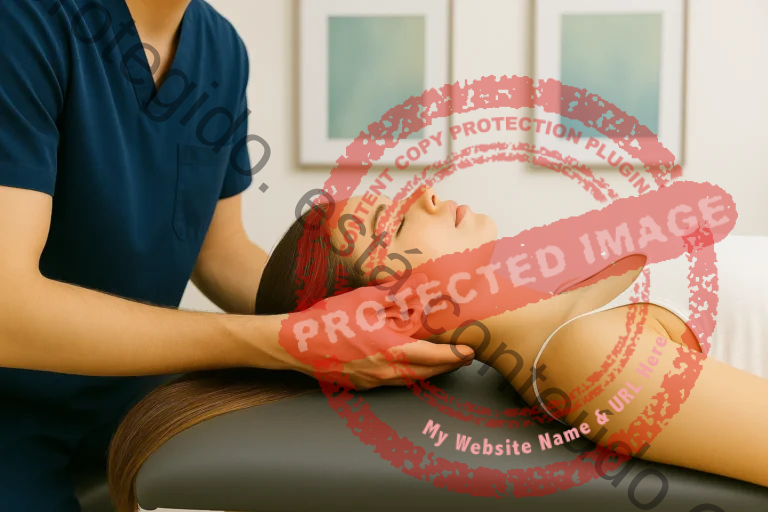
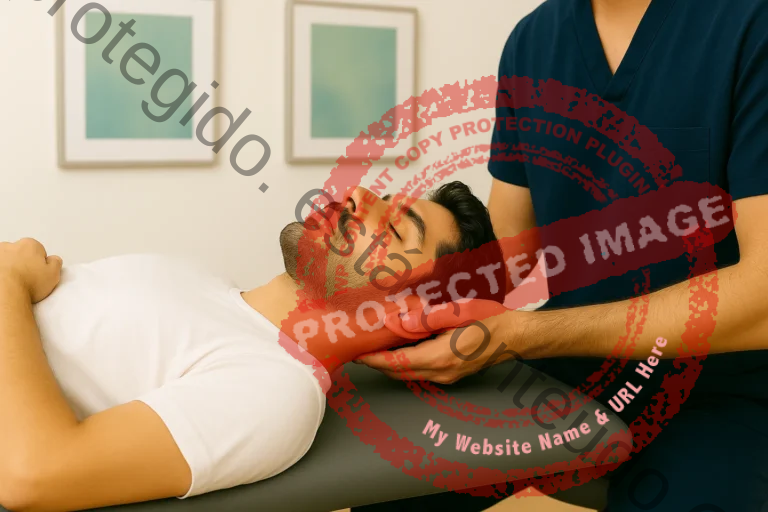
Physical rest relates to the recovery of muscles, joints and tissues after prolonged exertion or overload. It influences muscle tone, mobility and body awareness. It can include breaks throughout the day, gentle mobility or stretching practices, and in certain contexts, manual therapies such as Osteopathy. When this type of rest is insufficient, complaints such as persistent pain, stiffness or a feeling of heaviness in the body are common.
Emotional rest: reduction of accumulated emotional load
Continuous emotional management implies a significant consumption of physiological resources. When there is no space to recognise, express or process emotions, the body can remain in prolonged states of alert. Emotional rest can be supported by supportive conversations, therapeutic supervision or activities that facilitate emotional expression, playing an important role in modulating the response. stress and neuroendocrine balance.
Mental rest: reduction of cognitive overload
Excessive stimuli, information, and multitasking can contribute to states of hyperactivation of the central nervous system. Short breaks without digital stimuli, focused attention practices, or routines that promote adequate sleep hygiene can support mental rest. Their absence can be reflected in difficulties with concentration, memory, and decision-making.
Social rest: the quality of interpersonal relationships
Social rest does not imply isolation, but conscious attention to the quality of interactions. Relationships that promote safety and emotional support tend to be associated with less activation of the axis of stress, greater emotional stability and a sense of belonging. In contrast, relationships marked by demand or conflict can contribute to greater emotional and physiological wear and tear.
Spiritual rest: meaning, purpose and internal coherence
This type of rest relates to values, meaning, and internal alignment, regardless of religious beliefs. It can include moments of reflection, mindful writing, or contemplative practices. It is often associated with greater emotional resilience and improved adaptability to contexts of stress.
Creative rest: mental flexibility and emotional regulation
Creative activities allow us to break free from rigid thought patterns and foster more liberated and spontaneous states of engagement. Expressions such as drawing, writing, making music, or engaging in manual activities can help reduce mental rumination and support emotional balance, especially when carried out without a focus on performance.
Persistent fatigue: an approach in Clinical Psychoneuroimmunology
At Integrative Osteopathy, with a framework in Clinical Psychoneuroimmunology, persistent fatigue is addressed on an individual basis, considering rest as an active and multifactorial process, directly related to the body's ability to adapt to the physical, emotional, and contextual demands of daily life.
In clinical practice, the assessment doesn't just focus on the number of hours of sleep. It includes an analysis of the recovery pattern throughout the day, the presence of persistent muscle tension, and the way the stress it is managed, by the degree of emotional overload, the quality of interpersonal relationships, and the existence, or absence, of real spaces for physical and mental rest and recovery.
The aim is to understand how different types of rest are integrated into daily life and how their imbalance can be reflected in the regulation of the nervous, immune, and endocrine systems. It is common to identify patterns such as difficulty switching off, states of prolonged nervous activation, fatigue that does not improve with rest, or a feeling of exhaustion associated with bodily tension and stress continuous.
This integrated approach allows for the framing of persistent fatigue within the person's global context, supporting the definition of tailored strategies that favour recovery, self-regulation, and physiological adaptation, respecting individual variability and the clinical timing of each case.
Understanding rest from an integrative perspective
Resting doesn't just mean stopping, but creating conditions for the body to recover, reorganise itself, and adapt effectively. The gradual integration of different forms of rest into daily life can contribute to a more balanced regulation of energy, of stress and global well-being, respecting the context, pace, and specific needs of each person.
David Brandão | Osteopath and Physiotherapist
Specialised in Clinical Psychoneuroimmunology
Physiotherapist Card: 3652 | Order of Physiotherapists // Osteopath Card: C-0031697 | ACSS
Integrativa | Health and well-being as a lifestyle
This website and its content are for information purposes only and are not a substitute for medical or health professional advice. Each person's treatment should be individualised and guided by health professionals. Do not make any changes to your treatment without contacting the doctor or health professional accompanying you.
Related articles