

When we feel pain, anxiety, fatigue, or other symptoms, it's common to focus only on what's most obvious. However, to better understand what's happening in the body and mind, it can be helpful to go beyond the manifestation of the symptom and explore the factors that may be contributing to its onset and maintenance.
Within this framework, Osteopathy and Clinical Psychoneuroimmunology can be understood as complementary approaches, aimed at understanding the mechanisms underlying symptoms. Recognising the body's signals and analysing their possible origins is a relevant step in supporting more consistent and sustainable recovery processes.
What are symptoms
Symptoms can be understood as the body's responses to internal imbalances, be they physical, functional, or emotional in nature. They can manifest in different ways, such as musculoskeletal pain, digestive changes, anxiety, stress or persistent fatigue.
Although they are often uncomfortable, symptoms do not appear in isolation. They function as signs that something in the body may not be adapting adequately to the demands placed upon it. For this reason, looking only at the symptom tends to be insufficient for understanding the overall picture.
How to refer Leo Pruimboom, founder of Clinical Psychoneuroimmunology, “the symptom is a symptom; the symptom is not the problem”.
Osteopathy and the body's functional balance
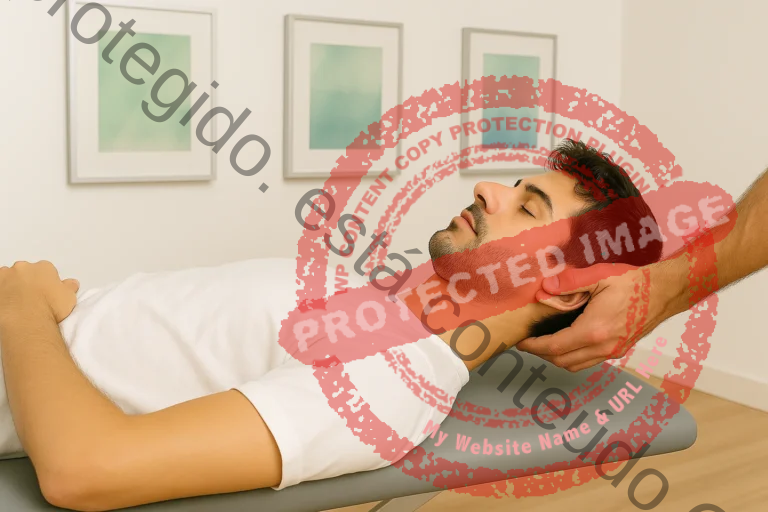
At Integrativa, Osteopathy is integrated into an individualised, person-centred clinical approach. The assessment considers the musculoskeletal system and, where indicated, other systems related to the presenting complaints. This allows for an understanding of symptoms beyond their local manifestation.
Manual intervention is tailored to each individual and may involve muscles, fascia, joints, organs, and nervous structures, with the aim of improving tissue mobility, supporting functional balance, and facilitating the body's natural self-regulatory mechanisms.
The Osteopaths at Integrativa are licensed in Physiotherapy and trained in Osteopathy, which allows them to blend a structural approach with functional analysis. While Osteopathy focuses on assessing and intervening in the structure and its influence on function, Physiotherapy analyses that function and works on optimising it through movement and exercise.
Clinical Psychoneuroimmunology: the relationship between body and mind
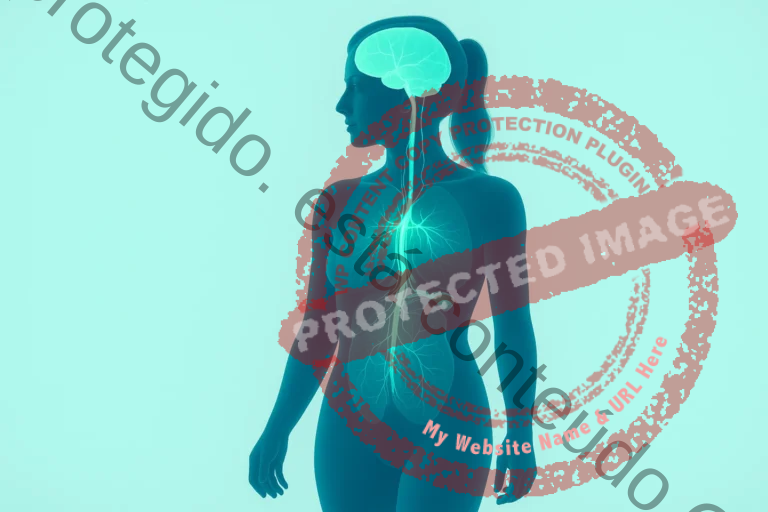
Clinical Psychoneuroimmunology is a scientific field that studies the relationship between the nervous system, the endocrine system, and the immune system, as well as how these systems interact with each other in processes of adaptation and physiological balance.
This approach considers that the functioning of the organism results from constant communication between different systems. Therefore, health cannot be fully understood without considering the relationship between biological processes, emotional states, and life context factors, such as stress, water, food, environment and daily behaviours.
The research underpinning Clinical Psychoneuroimmunology integrates contributions from neuroscience, immunology, and endocrinology, allowing us to understand how physical and emotional demands influence the body's responses over time.
In a clinical context, this approach seeks to go beyond the identification of isolated symptoms, integrating biological, emotional, and contextual factors to understand the mechanisms associated with states of functional imbalance.
How Osteopathy and Clinical Psychoneuroimmunology Complement Each Other
At Integrative Osteopathy, within the framework of Clinical Psychoneuroimmunology, persistent symptoms such as fatigue are approached in an individualised manner, considering rest as an active and multifactorial process related to the body's ability to adapt to daily demands.
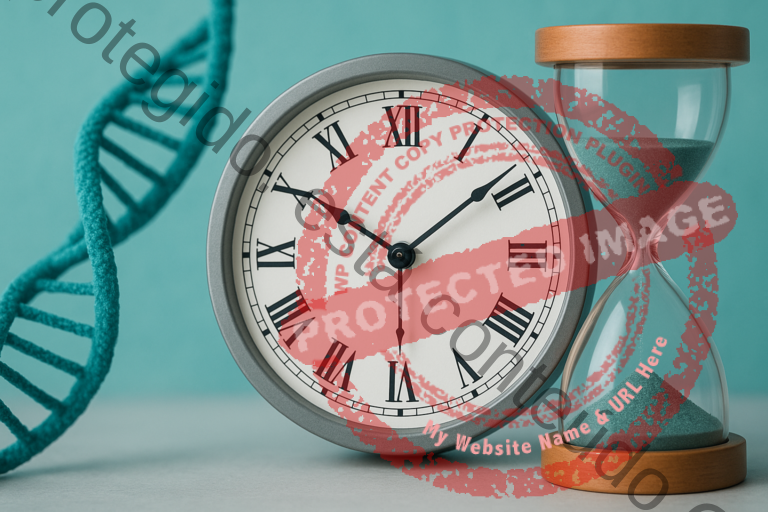
The assessment does not just focus on the number of hours of sleep. It includes an analysis of how the person recovers throughout the day, the presence of persistent muscle tension, the management of stress, from emotional overload, the quality of interpersonal relationships and the existence of real spaces for physical and mental rest and recovery.
The aim is to understand how different types of rest are integrated into daily life and how their imbalance can be reflected in the regulation of the nervous, immune, and endocrine systems. Patterns such as difficulty switching off, prolonged states of activation, fatigue that does not improve with rest, or a feeling of exhaustion associated with body tension and continuous stress are common.
This integrated approach allows for the persistent fatigue to be framed within the person's overall context and supports the definition of tailored strategies, respecting individual variability and the clinical timing of each case.
Benefits of an integrated approach
The link between Osteopathy and Clinical Psychoneuroimmunology can offer several benefits, including:
- Improved understanding of factors associated with symptoms
- Simultaneous approach to the physical, functional, and contextual dimensions
- Support for the reduction of physical and emotional symptoms
- Promotion of more efficient adaptation strategies
- Contribution to a gradual improvement of the quality of life
Understanding the symptom from an integrative perspective
Symptoms can be understood as a form of the body's communication, signalling that something requires attention. Instead of being ignored or treated in isolation, they can be analysed as part of a broader adaptation process.
In an Integrative Osteopathy consultation, the assessment aims to frame the symptoms within the global context of each person, considering not only the physical dimension, but also habits, the level of stress, and other daily factors. This framework allows for more informed decisions and gradual, realistic, and individualised lifestyle adjustments.
When persistent symptoms exist, such as chronic pain, anxiety or stress furthermore, an assessment can help to better understand the context in which they arise and to define adjusted strategies, focusing on functional balance and overall well-being.
Looking after your health involves taking an active role in your everyday choices. Prevention can be understood as a continuous process of self-regulation and adaptation, in which small decisions, maintained consistently over time, contribute to a more conscious relationship with your own body and to greater functional balance.
David Brandão | Osteopath and Physiotherapist
Specialised in Clinical Psychoneuroimmunology
Physiotherapist Card: 3652 | Order of Physiotherapists // Osteopath Card: C-0031697 | ACSS
Integrativa | Health and well-being as a lifestyle
This website and its content are for information purposes only and are not a substitute for medical or health professional advice. Each person's treatment should be individualised and guided by health professionals. Do not make any changes to your treatment without contacting the doctor or health professional accompanying you.
Related articles