


Fibromyalgia is a chronic condition that affects millions of people worldwide, being particularly common in women. It is characterised by widespread musculoskeletal pain, persistent fatigue, sleep disturbances, and cognitive difficulties, and can significantly compromise quality of life.
Although there isn't a single, definitive solution, scientific evidence has shown that a multidisciplinary, person-centred approach, based on the best available evidence, can help manage symptoms and improve functionality. Among the strategies recommended in a clinical context, adapted physical exercise plays a relevant role.
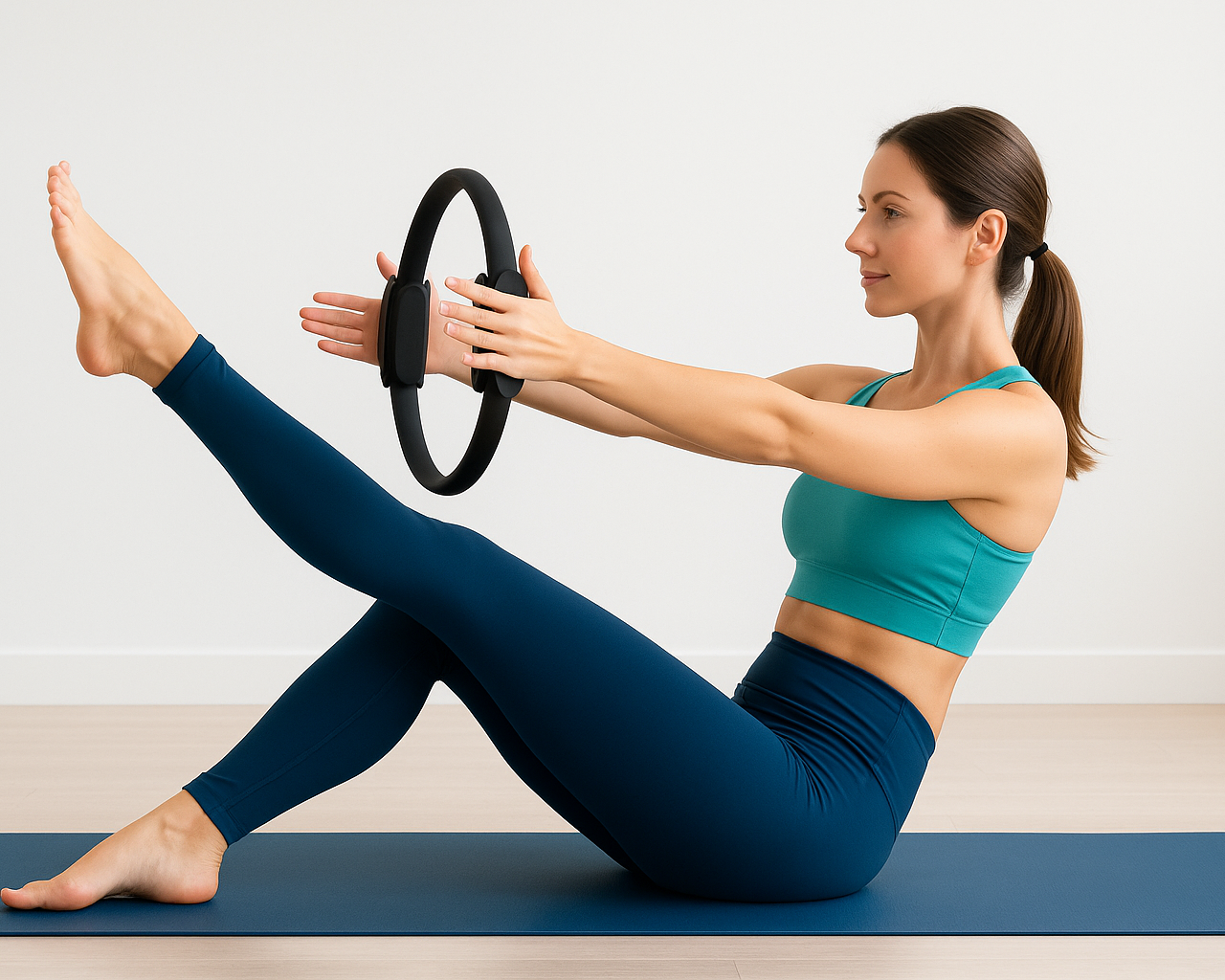
In this context, Clinical Pilates has been gaining prominence as a safe, progressive, and adaptable approach to the individual needs of people with fibromyalgia.
Fibromialgia is a chronic condition that causes widespread pain and tenderness in the body, along with fatigue, sleep problems, and cognitive difficulties.
Fibromyalgia is a chronic pain syndrome characterised by widespread and persistent musculoskeletal pain. It is frequently accompanied by fatigue, sleep disturbances, concentration difficulties, and emotional changes such as anxiety or depression.
It is currently known that fibromyalgia is neither an inflammatory nor a degenerative disease. Its pathophysiology is related to alterations in how the central nervous system processes sensory and pain stimuli, a phenomenon known as central sensitisation.
This means that the brain and spinal cord can become more sensitive to stimuli, amplifying signals that, under other circumstances, would not be perceived as painful. For this reason, fibromyalgia is often encompassed within conditions associated with central sensitisation.
The most common symptoms include
• Persistent generalised pain
• Intense fatigue
• Non-restorative sleep
Muscle stiffness
• Frequent headaches
• Difficulties with concentration and memory
• Anxiety and depression
• Increased sensitivity to touch, noise, or temperature
The intensity of the symptoms can vary over time, alternating periods of greater stability with phases of worsening.
What is Clinical Pilates?
Clinical Pilates is an adaptation of the traditional Pilates method, aimed at individuals with pain, injuries, or specific health conditions.
Unlike conventional classes, Clinical Pilates is usually run by physiotherapists and is based on an individualised assessment. Exercises are selected and adjusted according to each person's needs, limitations, goals and clinical response.
This approach works on fundamental components for functional recovery, such as motor control, core stability, muscle strengthening, joint mobility, respiratory coordination, body awareness, and postural organisation.
These characteristics make Clinical Pilates particularly relevant for people with fibromyalgia, as it allows for the adjustment of exercise intensity, progression, and complexity according to each individual's clinical condition.
Pilates Clínico pode ser adequado para a fibromialgia devido a vários fatores: * **Melhora a Consciência Corporal:** A fibromialgia muitas vezes está associada a uma desregulação da perceção da dor e do próprio corpo. O Pilates Clínico foca-se num controlo preciso dos movimentos e na ligação mente-corpo, o que pode ajudar a melhorar a forma como se sente e percebe o seu corpo, diminuindo assim a sensação de dor. * **Fortalecimento Muscular Suave:** O fortalecimento muscular é importante para dar suporte às articulações e melhorar a função geral. O Pilates Clínico utiliza exercícios controlados que fortalecem os músculos de forma gradual e segura, sem sobrecarregar o corpo. Isso é fundamental para quem tem dor muscular crónica. * **Melhora da Flexibilidade e Mobilidade:** A rigidez muscular é um sintoma comum da fibromialgia. O Pilates Clínico trabalha o alongamento e a mobilidade das articulações de forma controlada, ajudando a aliviar a rigidez e a permitir uma maior amplitude de movimento. * **Correção da Postura:** Uma má postura pode agravar a dor em pessoas com fibromialgia. O Pilates Clínico é excelente para fortalecer os músculos posturais e ensinar a manter um alinhamento correto do corpo, o que pode aliviar a pressão sobre os músculos e as articulações. * **Redução do Stress e da Ansiedade:** A fibromialgia está frequentemente ligada a questões de saúde mental, como stress e ansiedade. A concentração exigida nos exercícios de Pilates e a respiração controlada podem ter um efeito calmante, ajudando a gerir estes sintomas. * **Abordagem Individualizada:** Um instrutor de Pilates Clínico qualificado pode adaptar os exercícios às necessidades e limitações específicas de cada indivíduo com fibromialgia, garantindo que o programa é seguro e eficaz. * **Promoção da Circulação Sanguínea:** Os movimentos suaves e controlados do Pilates podem ajudar a melhorar a circulação sanguínea, o que é benéfico para os tecidos e pode ajudar a reduzir a fadiga e a dor muscular. É importante que qualquer programa de exercício, incluindo o Pilates Clínico, seja iniciado sob a orientação de um profissional de saúde e de um instrutor de Pilates qualificado, para garantir que é seguro e adequado às circunstâncias individuais de cada pessoa com fibromialgia.
In fibromyalgia, exercise should be introduced gradually, safely, and individually. Excessive or poorly adjusted intensity can increase the perception of fatigue or discomfort, so progression must respect the person's tolerance.
Clinical Pilates may be suitable in this context as it brings together several important characteristics:
Low-impact joint exercises
High adaptability to individual limitations
• Gradual and controlled progression
• Promotion of movement without excessive overload
• Integration of breathing, concentration, and relaxation
• Developing confidence in movement
• Possibility of close monitoring of exercise response
This combination allows for structured work on strength, mobility, and body control, without undervaluing the symptom variability characteristic of fibromyalgia.
Benefits of Clinical Pilates in fibromyalgia
Pain reduction
Generalized pain is the central symptom of fibromyalgia and one of the main factors associated with functional limitation. Regular practice of Clinical Pilates can contribute to better pain management through different mechanisms.
These mechanisms include improvement of muscle function, gradual increase in movement tolerance, modulation of central pain processing mechanisms, and reduction of fear associated with movement.
By promoting gradual, safe, and controlled movements, Clinical Pilates can help restore confidence in the body and improve the ability to perform everyday activities more safely.
Improving the quality of life
Fibromyalgia can significantly interfere with professional, family, and social life. Simple everyday tasks can become more demanding due to pain, fatigue, stiffness, or a decrease in available energy.
Structured Clinical Pilates programmes can contribute to the improvement of indicators associated with quality of life, functional independence, and general well-being. Even small improvements in functional capacity can have a relevant impact on the lives of people living with chronic pain.
Improved body awareness
Persistent pain can alter the way a person moves, favouring compensatory patterns, increased muscle tension, and greater apprehension towards certain activities.
Clinical Pilates promotes body awareness through slow, controlled and coordinated movements with breathing. This process can help improve movement control, reduce unnecessary muscle tension, reorganise less efficient postural patterns and develop greater physical confidence.
A more accurate body perception can contribute to more effective pain management and a safer relationship with movement.
Improving mobility
Muscle stiffness, especially upon waking, is a frequent complaint in people with fibromyalgia. The mobility exercises used in Clinical Pilates can help to improve joint range of motion and reduce the sensation of stiffness.
Improving mobility can make it easier to carry out daily activities, such as walking, standing up, dressing, climbing stairs, or doing household chores. Maintaining adequate mobility is also important for preserving functional independence and reducing the risk of physical deconditioning.
Improved functional ability
Pain and fatigue can lead to a progressive reduction in physical activity levels. Over time, this decrease in activity can contribute to a loss of strength, reduced physical endurance, and increased functional limitation.
Clinical Pilates allows for the progressive and controlled development of muscular strength, respecting individual limits and responses to exercises. Among the main functional benefits, these can include:
• Gradual increase in muscle strength
• Improved physical endurance
• Greater autonomy in daily activities
• Reduction of functional limitations
• Greater confidence in performing movements
This approach is particularly useful when there is a need to reintroduce movement in a careful, structured, and clinically guided manner.
Benefits for sleep quality
Non-restorative sleep is one of the most disabling symptoms of fibromyalgia. Although Clinical Pilates does not directly address all the causes of sleep disturbances, regular practice of adapted exercise is associated with improvements in sleep quality, reduction in fatigue, and an increase in perceived energy.
The integration of controlled breathing, concentration and relaxation components can further contribute to a greater regulation of the physical and mental tension state, favouring a more positive perception of nighttime rest.
Mental health benefits
Daily living with chronic pain can have a significant impact on emotional health. Fibromyalgia is frequently associated with anxiety, depression, stress, and feelings of frustration related to the persistence and unpredictability of symptoms.
The regular practice of adapted physical exercise has demonstrated positive effects on mental health, potentially contributing to stress reduction, mood improvement, and an increased perception of control over one's own body.
In the case of Clinical Pilates, the combination of movement, breathing, and concentration can promote a feeling of greater stability, relaxation, and well-being, without requiring intense or competitive performance.
Understanding Clinical Pilates in fibromyalgia from an integrative perspective
Fibromyalgia is a complex condition, with physical, emotional, cognitive and functional impacts. For this reason, it benefits from an individualised, multidisciplinary approach tailored to each person's reality.
Among the currently valued strategies, adapted physical exercise continues to be a relevant tool for supporting symptom management, improving functionality, and promoting quality of life.
Clinical Pilates stands out as a safe and flexible option, integrating muscle strengthening, movement control, body awareness, mobility, and breathing. The available scientific evidence suggests that this approach can help reduce pain, improve functional capacity, and promote overall well-being in people with fibromyalgia.
For those living with fibromyalgia, guidance from a qualified physiotherapist can be important for starting an exercise program tailored to individual needs, respecting limits, goals, and clinical response throughout the process.
Rita Xarepe | Physiotherapist and Clinical Pilates Instructor by APPI
Physiotherapist Card: 4209 | Order of Physiotherapists
Integrativa | Health and well-being as a lifestyle
This website and its content are for information purposes only and are not a substitute for medical or health professional advice. In all cases, treatments should be individualised and guided by health professionals. Do not make any changes to your treatment without contacting the doctor or health professional accompanying you.
Related articles