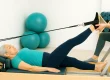


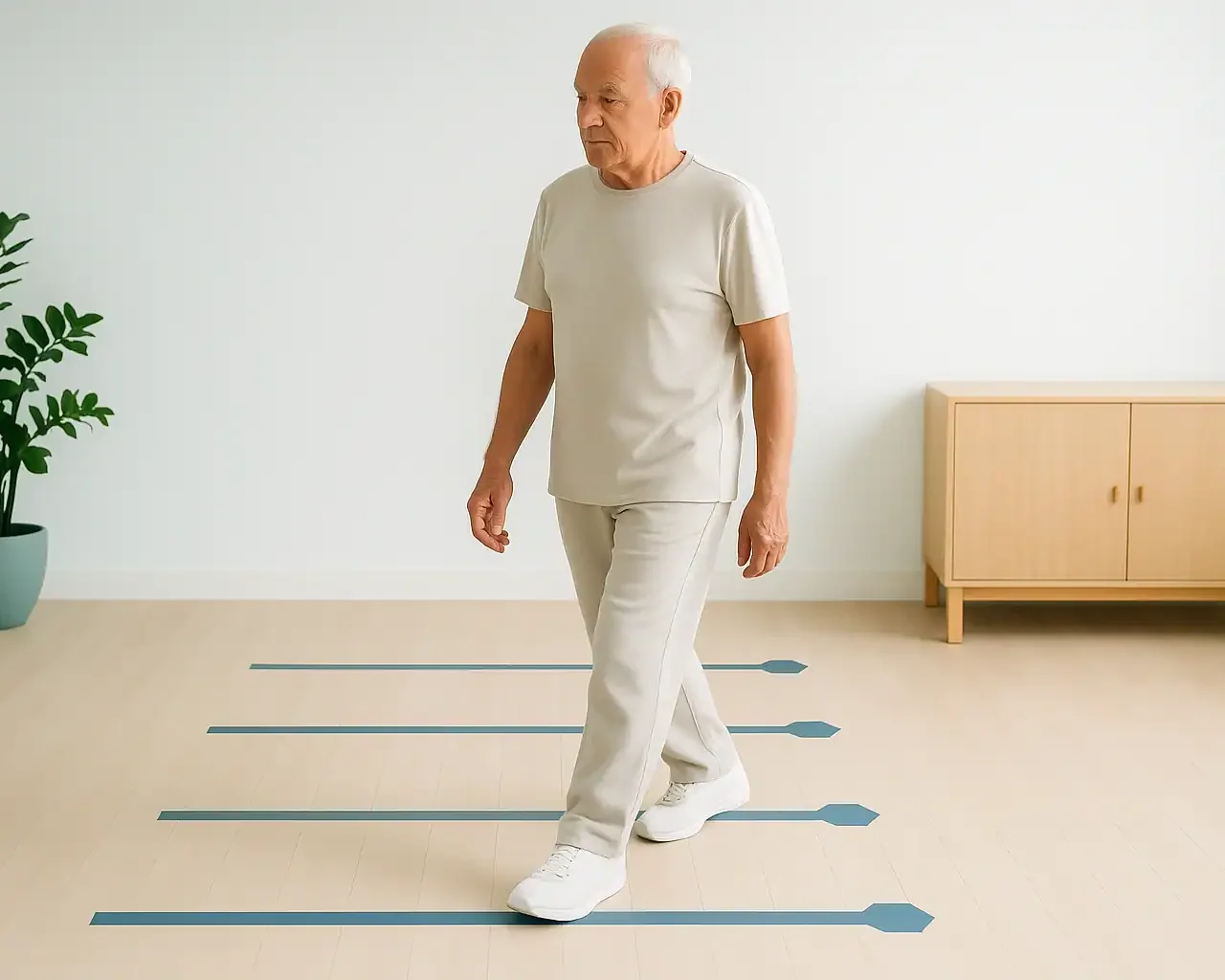
Balance corresponds to the ability to keep the body stable, whether at rest or during movement. This ability can be divided into static balance and dynamic balance.
Static balance refers to the ability to maintain body position without displacement. Dynamic balance corresponds to the ability to preserve stability while performing movements such as walking, changing direction, climbing stairs, or overcoming obstacles.
As people get older, a progressive decline in balance is often observed. This change results from multiple physiological modifications associated with ageing, which influence the systems responsible for postural control.
These changes include a reduction in muscle strength, decreased proprioception, alterations in the vestibular and visual systems, as well as slower reaction times. Together, these factors can increase the risk of falls and interfere with an older person's autonomy, functional independence, and quality of life.
Factors influencing balance in the elderly population
Balance in older adults can be affected by various physical, sensory, cognitive, pharmacological, and environmental factors. Its assessment should consider the interaction between these elements, as a change in balance rarely results from a single cause.
Among the most relevant factors are:
• Decrease in muscle strength, particularly in the lower limbs and the muscles of the trunk;
• Reduced flexibility and joint mobility;
• Changes in sensory integration, involving the visual, vestibular and proprioceptive systems;
• Decline in cognitive abilities, such as attention, motor planning, and reaction time;
• Inappropriate, excessive, or ill-fitting use of medication;
• Unfavourable environmental conditions, such as insufficient lighting, obstacles in the path, loose rugs, or slippery surfaces.
The identification of these factors provides a better understanding of an individual's fall risk and helps to guide interventions that are more suited to each person's needs.
The role of Physiotherapy in balance and fall prevention
Physiotherapy plays a central role in promoting and maintaining balance in older people. Its intervention contributes to fall prevention, the preservation of functional autonomy, and the improvement of safety in daily life activities.
The physiotherapeutic approach acts on different components that influence balance, including muscle strength, postural control, proprioception, mobility, motor coordination, and gait pattern.
On an individual basis, Physiotherapy can contribute to:
• Promote static and dynamic balance training;
• Improve muscle strength, with particular emphasis on the lower limbs and core musculature;
• Increase functional independence in daily living activities.;
• Reduce the fear of falling, fostering greater confidence in mobility;
• Improve motor coordination and proprioception;
Optimise postural responses to changes in the base of support, changes of direction or obstacles.
The fear of falling is a particularly relevant factor, as it can lead to reduced physical activity, increased sedentary behaviour, and a progressive loss of functional capacity. For this reason, interventions must consider not only physical aspects but also the person's confidence in their mobility.
Strategies used by Physiotherapy to improve balance
The main objectives of physiotherapy intervention are to improve balance, increase muscle strength, develop proprioception and postural control, optimise gait and motor coordination, as well as reduce fear of falling.
To achieve these goals, the physiotherapist employs strategies tailored to the clinical condition, functional level, fall history, and the specific needs of each individual.
Among the most utilised strategies are:
• Muscle strengthening exercises;
• Balance training, such as single-leg support, varying the base of support, and controlled use of unstable surfaces;
• Proprioceptive training, including exercises with eyes closed, weight transfers and stimuli on different surfaces;
• Gait training, with variations in speed, directional changes and obstacle negotiation;
• Stretches and joint mobility exercises;
• Education for fall prevention and adaptation of the home or daily environment.
The progression of exercises should be carried out safely and gradually, respecting the functional capacity of the individual. This adaptation is essential for promoting confidence, active participation, and continuity in the rehabilitation process.
Physiotherapy, active ageing and integrative health
The promotion of balance in the elderly should be understood from an integrated perspective. Postural control depends on the interaction between muscular, joint, sensory, neurological, and cognitive systems, and is also influenced by the environment and lifestyle.
In this context, Physiotherapy plays a relevant role in functional assessment, risk factor identification, and the definition of strategies focused on safety, mobility, and independence.
Early, regular, and tailored intervention can help reduce the risk of falls, preserve functionality, and support more active, healthy, and safe ageing.
When to seek Physiotherapy assessment
An assessment in Physiotherapy can be considered when changes in balance occur, there is insecurity when walking, difficulty in changing direction, fear of falling, or a history of falls.
It can also be useful in elderly people who have reduced their physical activity due to fear of instability, loss of strength or decreased confidence in mobility.
Individual assessment allows us to understand the factors involved and define an intervention plan tailored to each person's needs, goals, and functional context.
Understanding balance in older adults from an integrative perspective
Balance is an essential ability for the autonomy, safety, and quality of life of older people. Its alteration can result from multiple factors associated with ageing, including muscular, sensory, cognitive, and environmental changes.
Physiotherapy, through an individualised approach based on functional assessment, can help improve postural control, strength, proprioception, gait, and confidence in mobility.
Promoting balance is therefore an important component of active ageing and fall prevention, with a direct impact on the independence and participation of older adults in daily activities.
Rita Xarepe | Physiotherapist and Clinical Pilates Instructor by APPI
Physiotherapist Card: 4209 | Order of Physiotherapists
Integrativa | Health and well-being as a lifestyle
This website and its content are for information purposes only and are not a substitute for medical or health professional advice. In all cases, treatments should be individualised and guided by health professionals. Do not make any changes to your treatment without contacting the doctor or health professional accompanying you.
Related articles