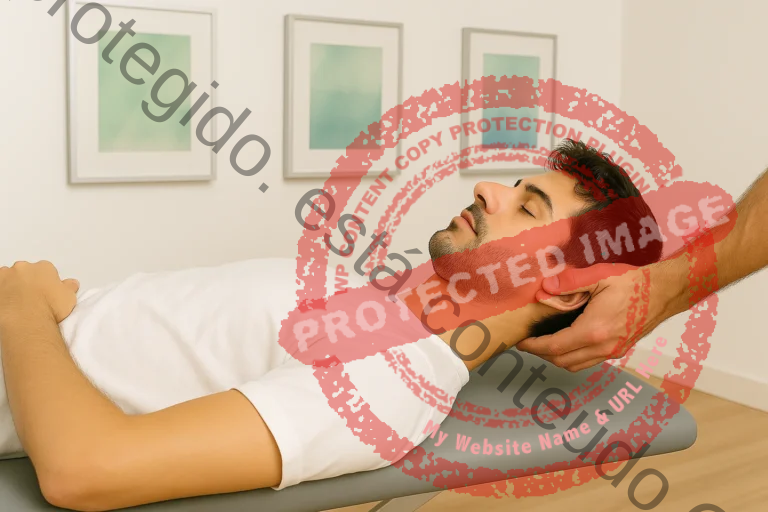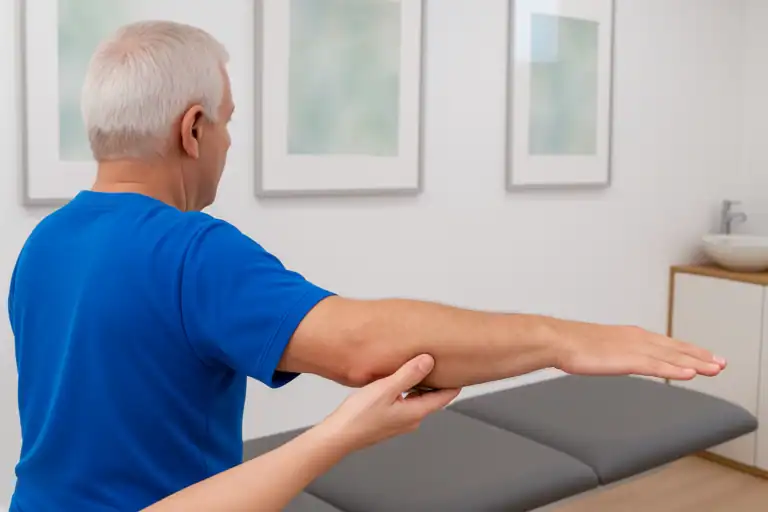


Orofacial pain associated with temporomandibular joint (TMJ) dysfunction is becoming increasingly common in the population. These conditions can have a significant impact on quality of life, interfering with essential functions such as chewing, speech, sleep, and concentration. In this context, physiotherapy specialised in orofacial pain and TMJ dysfunction plays a relevant clinical role.
At Integrativa, physiotherapy practice is guided by a global understanding of dysfunction, with particular attention to orofacial pain and the optimisation of temporomandibular joint function, respecting the individuality of each person and the complexity of these clinical conditions.
Prevalence and impact of temporomandibular joint-associated orofacial pain
Orofacial pain, frequently associated with TMD (temporomandibular dysfunction), can manifest as pain in the jaw, face, temporal region, or head. The coexistence of headaches, muscle tension, and functional limitation is common, factors that can affect performance in daily activities. The high prevalence of these complaints reinforces the importance of a rigorous clinical evaluation and an integrated interpretation of the different factors involved.
The role of Physiotherapy in orofacial pain associated with the TMJ
Physiotherapy plays a relevant role in the management of orofacial pain associated with the temporomandibular joint, by considering the functional relationship between the masticatory muscles, the temporomandibular joint itself, the cervical spine, and the movement patterns used in daily life. This perspective allows for an understanding of how alterations in muscle tone, biomechanical imbalances, or joint mobility limitations can be associated with pain and dysfunction.
Clinical evaluation and functional framework
Clinical assessment is a central element in this process, allowing for the identification of patterns of muscular overload, alterations in motor control, movement asymmetries, and postural or functional factors that may contribute to the persistence of symptoms. In this way, pain is analysed within a broader context, which is not limited to the TMJ, but also includes the cervical and cranial structures with which there is a functional relationship.
At Integrativa, this assessment is carried out by physiotherapists with specific training in the area of orofacial pain and integrates clinical history, postural observation, analysis of movement patterns, muscular imbalances, and the identification of potentially harmful oral habits. This individualised approach allows for the outlining of clinical practice tailored to the characteristics and needs of each person.
The role of Physiotherapy in orofacial pain
Based on the clinical assessment, physiotherapy intervention is directed towards improving masticatory and cervical function, modulating the tone of the involved musculature, and optimising movement coordination and quality. The approach is always adjusted progressively, respecting each individual's needs and their functional context.
Integration of Physiotherapy and Osteopathy
The fact that Integrativa's Physiotherapists also have training in Osteopathy allows them to integrate different approaches when clinically indicated. Cranial Osteopathy techniques and sacrocranial approaches may be included, which consider the functional relationships between the skull, jaw, cervical spine, and the rest of the musculoskeletal system, relevant in the understanding of temporomandibular dysfunctions.
While Osteopathy primarily focuses on the structural relationships influencing the function of the TMJ and the musculoskeletal system, Physiotherapy concentrates on evaluating and optimising this function through movement, motor control, and muscle re-education. The synergy of these areas allows for a coherent clinical approach tailored to the complexity of orofacial pain and craniomandibular dysfunctions.
Daily habits and empowerment in orofacial pain management
Understanding daily behaviours and functional habits is of particular importance in orofacial pain associated with the temporomandibular joint. Factors such as posture throughout the day, jaw usage patterns, muscle tension levels, and coping strategies stress can significantly influence the expression and persistence of pain.
Within physiotherapy specialised in the TMJ, these aspects are integrated into the clinical evaluation and monitoring, helping to identify behaviours that may contribute to functional overload. Through personalised guidance and the prescription of specific exercises, greater body awareness and active participation of the individual in managing their condition are promoted, favouring more consistent functional adaptation in daily life.
Impact on function and quality of life
The clinical practice of Physiotherapy in orofacial pain associated with the temporomandibular joint (TMJ) can contribute to reducing pain intensity, improving masticatory function, and enhancing quality of life. In Integrative Physiotherapy, this approach is person-centred and focused on promoting global health, integrating different dimensions of physical and functional well-being.
In addition to Osteopathy and Clinical Psychoneuroimmunology, aspects related to lifestyle, sleep hygiene, relaxation strategies, and specific exercises for the masticatory muscles and posture can be considered, with a focus on preventing the recurrence of symptoms.
Understanding orofacial pain from an integrated perspective
Orofacial pain associated with the temporomandibular joint is a complex condition that can result from an interplay between musculoskeletal and neurological factors, including TMJ function, cervical musculature, and other adjacent structures. This pain can affect various essential functions, such as chewing, speech, and sleep.
Physiotherapy, when addressing these conditions, plays an important role in assessing and relieving muscle tension, as well as contributing to the improvement of TMJ mobility and neuromuscular balance. Specific mobilisation, stretching, and postural re-education techniques can be useful for improving joint function and alleviating associated symptoms.
An individualised clinical assessment is fundamental for identifying the specific factors influencing the pain, such as movement patterns and possible underlying causes. Based on this assessment, therapeutic strategies can be defined that are tailored to each patient's needs, respecting the complexity of each case.
In some cases, the integration of Osteopathy, especially Cranial Osteopathy, can complement the approach, considering the interactions between the skull, cervical spine, and TMJ. This global perspective can provide a more comprehensive analysis of the problem, allowing for an approach that is better tailored to the needs of each patient.
At Integrativa, specialised consultations for the TMJ and orofacial pain are part of a global clinical evaluation, where the body is analysed in an integrative manner through Physiotherapy and Osteopathy, considering the interactions between the musculoskeletal (Structural Osteopathy), visceral (Visceral Osteopathy), and cranial (Cranial Osteopathy) systems. A comprehensive and personalised clinical evaluation allows each situation to be framed in detail and for strategies tailored to individual needs to be defined.
The assessment consultation with a specialised Physiotherapist – Osteopath allows for a careful and individualized understanding of how this integrative approach can be beneficial for your case.
David Brandão | Osteopath and Physiotherapist
Specialising in Cranial Osteopathy for TMJ, Orofacial Pain and Headaches
Physiotherapist Card: 3652 | Order of Physiotherapists // Osteopath Card: C-0031697 | ACSS
Integrativa | Health and well-being as a lifestyle
This website and its content are for information purposes only and are not a substitute for medical or health professional advice. In all cases, treatments should be individualised and guided by health professionals. Do not make any changes to your treatment without contacting the doctor or health professional accompanying you.
Related articles