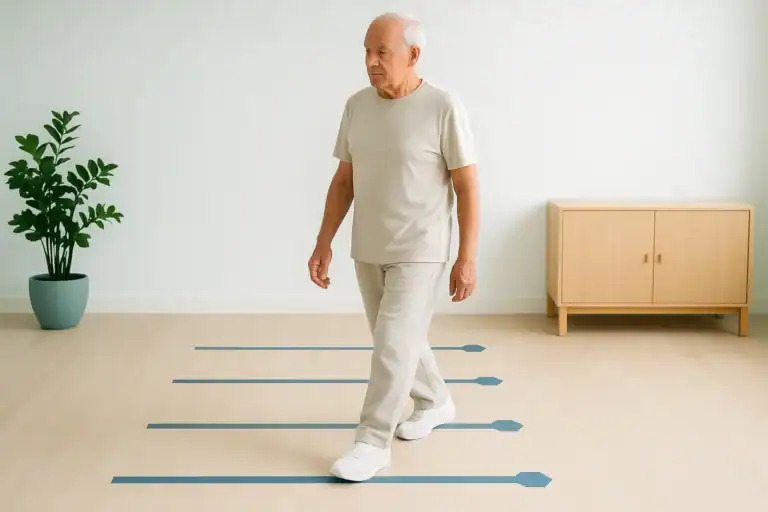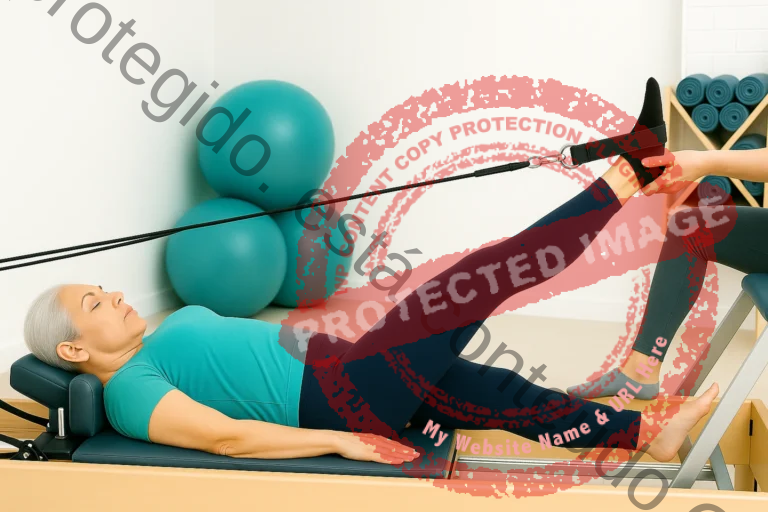


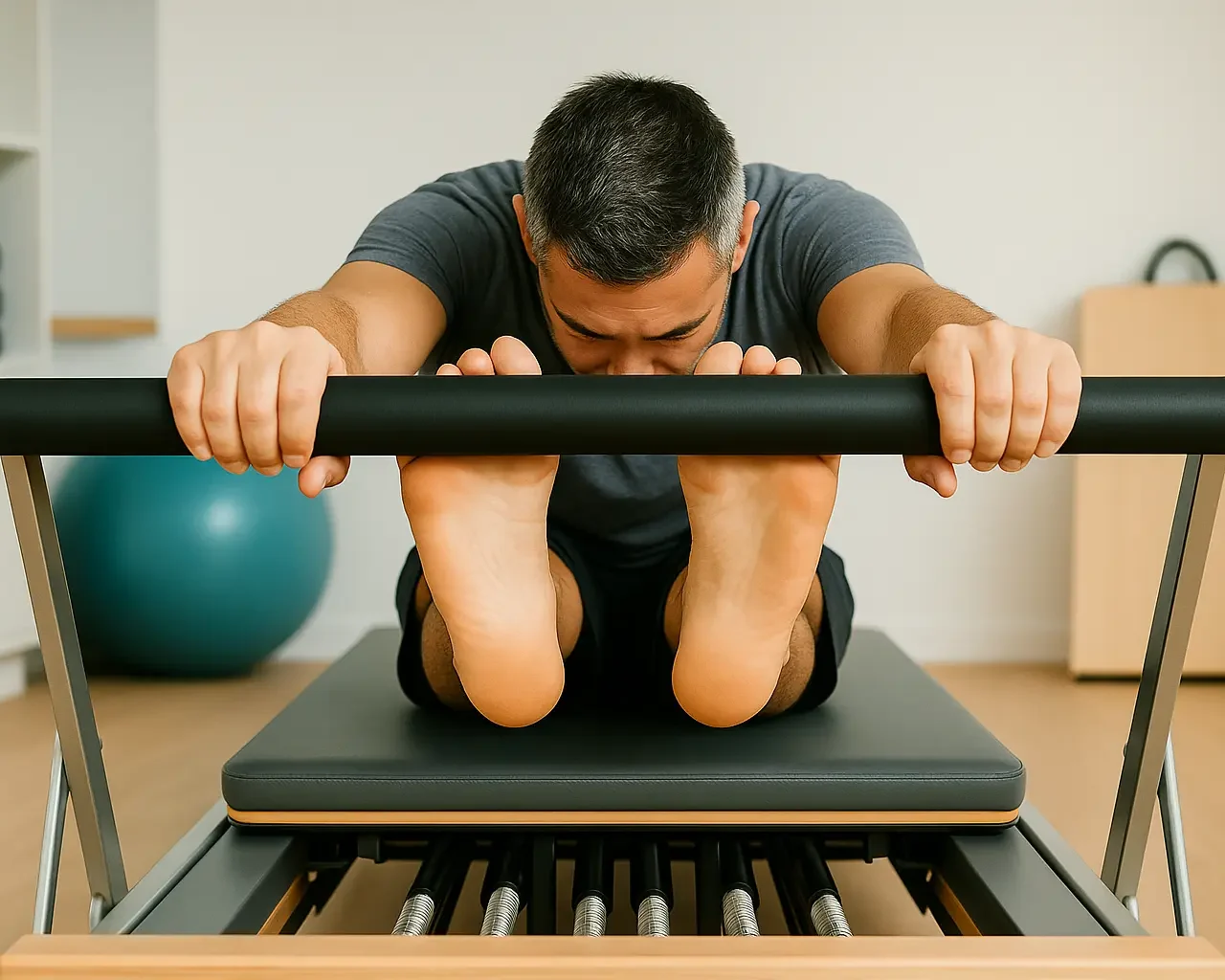
High-performance sport imposes significant demands on the musculoskeletal and neuromotor systems, requiring superior levels of strength, power, endurance, coordination, and motor control. Minor deficits in movement, stability, or neuromuscular control can compromise athletic performance and significantly increase the risk of injury. In this context, Clinical Pilates has been assuming an increasingly relevant role in the management of high-performance athletes, both in injury prevention and in functional rehabilitation and performance optimisation.
What is Clinical Pilates?
Unlike traditional Pilates, Clinical Pilates is a therapeutic approach guided by physiotherapists, based on an individualised functional assessment and supported by principles of biomechanics, movement neuroscience and current scientific evidence. It is a highly personalised intervention, tailored to the therapeutic objectives, functional demands and specific characteristics of each athlete.
In the sports context, the main objectives of Clinical Pilates are the assessment, rehabilitation and re-education of movement, improving neuromuscular control and functionality, increasing muscular strength and endurance (particularly in the core), correcting dysfunctional movement patterns, preventing musculoskeletal dysfunctions and optimising overall performance and quality of movement. The approach centres on functional strengthening of the deep muscles, improving posture and dynamic stability, as well as carefully adapting the exercise to the specific demands of each sport.
Benefits of Clinical Pilates
- Core control and force transfers: Core stability is one of the fundamental pillars of sports performance. Scientific evidence shows that a stable core contributes to greater mechanical efficiency in sporting gestures, allowing for a more effective transfer of forces between body segments, reducing excessive loads on peripheral joints and improving control during explosive movements and rapid changes of direction.
- Injury Prevention Clinical Pilates promotes the strengthening of stabilising muscles and optimises movement patterns, reducing the risk of injuries from overuse, repetitive strain, or improper technique. By addressing the functional cause of a problem, rather than just the symptom, it proves particularly effective as a preventative strategy for elite athletes.
- Improvement of motor control and body awareness Motor control and proprioception training allows for more consistent and efficient technical execution, with greater movement economy. This improvement translates into a reduction in the energy cost of sporting movements, better technical performance, and a lower probability of biomechanical compensations.
- Mind-body integration Clinical Pilates promotes the integration of the physical and cognitive components of movement, fostering concentration, body awareness, and muscle tension regulation. This mind-body connection can contribute to a better response to intense training and competitive demands.
- Enhancing sports performance: By improving balance, coordination and proprioception, Clinical Pilates allows for more efficient motor execution, with a reduction in energy waste and compensations. These gains are reflected in a higher quality of movement and optimised sports performance.
- Rehabilitation and return to competition Integrated into a rehabilitation plan, Clinical Pilates can speed up functional recovery and facilitate a safe return to competition. It allows for a controlled progression of the load, respecting biological healing times and the specific demands of the sport. It is particularly relevant in the re-education of efficient movement patterns, the re-establishment of body confidence and the functional integration of mobility, stability and strength.
Clinical Pilates is a valuable tool in the monitoring of high-performance athletes. When applied in an individualised and evidence-based manner, it demonstrates significant benefits in neuromuscular stability and control, injury prevention and rehabilitation, optimisation of movement patterns, and the promotion of mind-body integration.
Although it is a complementary strategy to traditional sports training, scientific literature recognises its positive contribution to athletes' performance and sporting longevity.
At Integrativa, Clinical Pilates is exclusively conducted by specialist physiotherapists, who closely and individually support the athlete throughout the entire process. Through a detailed functional assessment and programmes tailored to the specific needs of each discipline, our professionals help prevent injuries, promote safe and efficient recovery, and optimise sporting performance. This evidence-based intervention promotes better neuromuscular control, greater stability, improved movement quality, and body confidence, contributing to more efficient, sustainable performance with a lower risk of overload.
Rita Xarepe | Physiotherapist and Clinical Pilates Instructor by APPI
Physiotherapist Card: 4209 | Order of Physiotherapists
Integrativa | Health and well-being as a lifestyle
This website and its content are for information purposes only and are not a substitute for medical or health professional advice. In all cases, treatments should be individualised and guided by health professionals. Do not make any changes to your treatment without contacting the doctor or health professional accompanying you.
Related articles