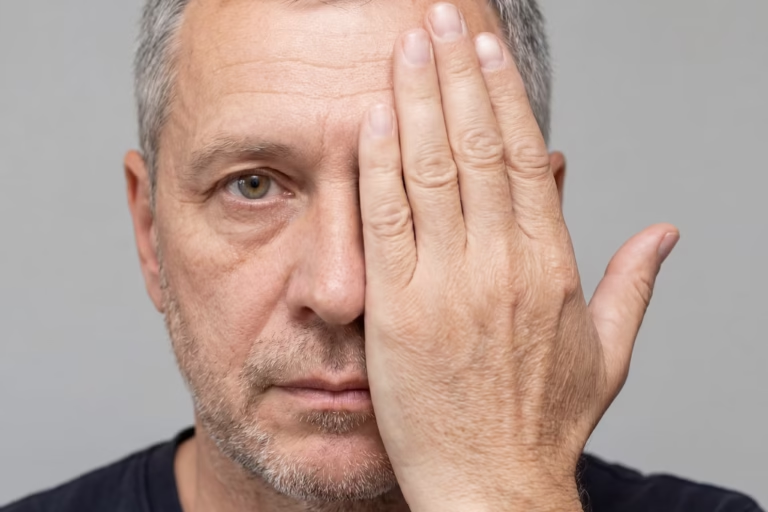


Suddenly, the image in the mirror changes. One side of the face becomes unresponsive, the smile becomes asymmetrical and the eye may not close fully.
Facial paralysis often occurs unexpectedly and raises immediate questions: “Will I recover? How long will it take?”
In most cases, the outcome is favourable, especially when there is early medical assessment and specialist follow-up.
What is facial paralysis?
Facial paralysis occurs when the facial nerve, responsible for controlling the facial muscles, becomes inflamed, compressed, or injured.
The most common form is Bell's palsy, which is generally transient and considered idiopathic, although it can be associated with viral infections, immune system changes or factors stress.
The most common symptoms include
- Difficulty in smiling, blinking, or frowning
- Facial asymmetry
- Changes in taste or hearing
- Dry or watery eyes
- Difficulty articulating certain sounds, such as “p” and “b”
How long does recovery take?
Recovery time varies from person to person and depends on the initial severity and individual biological response.
In milder cases, significant improvement can be observed within two to three weeks. In more extensive situations, neuromuscular reorganisation may take several months and, in some cases, longer.
It is estimated that a large proportion of people experience substantial recovery within the first three months. In other situations, residual asymmetry may persist, or involuntary movements such as synkinesis may develop, which benefit from specialist monitoring.
Timely intervention is a relevant factor in functional recovery.
What can be done to aid recovery?
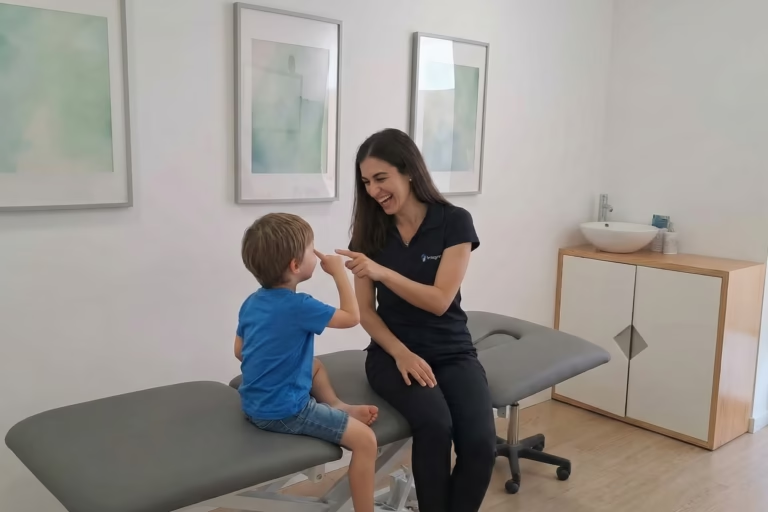
The re-education of facial movements should be guided by a physiotherapist with specific training, as each case presents its own characteristics.
The approach usually includes:
- Education and body awarenessUnderstanding the process of facial nerve regeneration and muscle function allows for greater control and active, appropriate participation in recovery.
- Manual therapy and gentle mobilisationSpecific techniques contribute to maintaining tissue mobility, reducing stiffness, and promoting quality of movement, and should be performed by a qualified physiotherapist.
- Personalised facial exercisesNeuromuscular re-education is performed through gentle, controlled, and gradual movements. The focus is on coordination and symmetry, avoiding excessive effort or exaggerated movements.
- Eye careWhen the eye does not close fully, it is essential to use preservative-free eye drops and protect the ocular surface, especially during sleep.
- Global approachFacial paralysis can affect self-esteem, communication, and emotional well-being. An integrative approach considers these dimensions and, when necessary, may involve complementary support such as psychology.
What is the role of specialised physiotherapy in recovery?
Specialised physiotherapy for facial paralysis aims to support neuromuscular reorganisation and promote more selective and coordinated movement patterns.
Based on the principles of neuroplasticity, the intervention aims to facilitate motor control, reduce compensations, and minimise the risk of sequelae such as synkinesis, muscle rigidity, or associated pain.
Specialised support also contributes to increasing confidence in the movement and reducing apprehension about using facial muscles.
What to avoid during recovery?
Some behaviours can interfere negatively with functional development:
- Undertake exercises without specialist guidance
- Apply vigorous massages or sudden movements
- To use electrical stimulation
- Ignore pain, spasms or increased muscle tension
In neuromuscular re-education, the quality of movement is more relevant than the intensity.
Understanding the recovery of facial paralysis from an integrative perspective
Recovering from facial paralysis is a process that requires time, consistency, and appropriate monitoring. Specialised physiotherapy, combined with education and daily care, helps to support the reorganisation of movement and promote greater functionality in everyday life.
At Integrativa, the physiotherapy specialising in facial paralysis It is based on a rigorous clinical assessment of mobility, symmetry, muscle strength, coordination, and functional impact. From this analysis, an individualised approach is outlined, tailored to the stage of progression and the specific needs of each person.
An expert assessment allows for an understanding of the current state of facial function and the definition of appropriate strategies to support the recovery process.
Alexandra Gomes | Physiotherapist specialising in the treatment and recovery of Facial Paralysis
member of the Facial Therapy Specialists International (FTSI)
Physiotherapist Card: 1459 | Order of Physiotherapists
Integrativa | Health and well-being as a lifestyle
This website and its content are for information purposes only and are not a substitute for medical or health professional advice. In all cases, treatments should be individualised and guided by health professionals. Do not make any changes to your treatment without contacting the doctor or health professional accompanying you.
Blog Articles