


Facial paralysis is a neuromuscular condition that can develop into synkinesis, involuntary movements that occur simultaneously with voluntary movements. These alterations can compromise function, facial harmony and self-image, with a significant impact on quality of life.
Early specialised physiotherapy plays an important role in reducing the risk of developing these changes, supporting neuromuscular reorganisation and promoting more functional movement patterns during the facial nerve regeneration process.
Understanding synaesthesia
Syncinesias arise when, after facial nerve injury, regenerating axons establish inappropriate connections. This phenomenon can result in the simultaneous activation of muscle groups that should function independently.
A frequent example is the involuntary closing of the eye during movements such as kissing, the result of disorganised reinnervation. These altered motor patterns tend to consolidate over time if they are not properly orientated in the early stages of recovery.
Functional and psychosocial impact
Beyond motor changes, synkinesis interferes with facial expression, non-verbal communication, and self-image perception. These changes can be associated with social constraints, decreased confidence, and increased emotional burden, reinforcing the importance of specialised intervention from the early stages.
Mechanisms of action of early specialised physiotherapy
Specialised physiotherapy for facial paralysis works through various complementary mechanisms:
- NeuroplasticityNeuroplasticity corresponds to the nervous system's ability to reorganise its connections in response to injury and experience. Following facial paralysis, this process is particularly active during the first few weeks of neural regeneration. Early intervention seeks to guide this reorganisation, favouring more selective motor patterns and reducing the risk of aberrant pathway formation associated with synkinesis.
- Neuromuscular re-education The re-education focuses on fine motor control and selective coordination of the facial musculature. Through specific exercises, the individual learns to execute movements in a more organised manner, minimising compensatory and involuntary activations. This process is relevant for promoting symmetry, quality of movement, and functional integration of facial expressions.
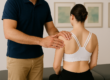
- Manual therapy and tissue mobilisation Manual techniques and gentle stretches help maintain tissue mobility, reduce muscle tension, and prevent contractures, factors that can worsen the expression of synkinesias. These approaches also support body awareness and tone regulation, facilitating the execution of more coordinated movements.
Scientific evidence
Scientific literature has shown that specialised physiotherapy started early is associated with a lower incidence of synkinesis. Studies published in rehabilitation journals indicate that people with facial paralysis who start physiotherapy in the first few weeks are less likely to develop persistent involuntary movements, when compared to those who start later.
These data reinforce the importance of a structured approach from the initial phases, respecting the biological recovery times of the facial nerve and the specificity of facial musculature.
It is also worth noting that electrostimulation is currently not recommended for facial paralysis, as it can interfere with neuromuscular reorganisation and promote inappropriate activation patterns.
Understanding the prevention of synkinesias from an integrative perspective
The prevention of synkinesis after facial paralysis is based on a specialised approach that integrates neuroplasticity, neuromuscular re-education and tissue mobilisation, adapted to each person's stage of evolution.
Specialised physiotherapy aims to support a more functional recovery by promoting more selective facial movements, reducing compensatory patterns, and fostering greater harmony in facial expression. This approach also contributes to improving quality of life by respecting the complexity of the neuromuscular system of the face and individual neural reorganisation rhythms.
At Integrativa Facial Paralysis Specialized Physiotherapy It is based on a rigorous clinical evaluation of mobility, symmetry, muscle strength, coordination, compensatory patterns, and functional impact, including speech, chewing, swallowing, and emotional expression, allowing for an individualised understanding of each situation. From this detailed analysis, a progressive physiotherapy approach is outlined, guided by clear clinical objectives and adapted to the needs of each person and the different stages of recovery.
Alexandra Gomes | Physiotherapist specialising in the treatment and recovery of Facial Paralysis
member of the Facial Therapy Specialists International (FTSI)
Physiotherapist Card: 1459 | Order of Physiotherapists
Integrativa | Health and well-being as a lifestyle
This website and its content are for information purposes only and are not a substitute for medical or health professional advice. In all cases, treatments should be individualised and guided by health professionals. Do not make any changes to your treatment without contacting the doctor or health professional accompanying you.
Blog Articles