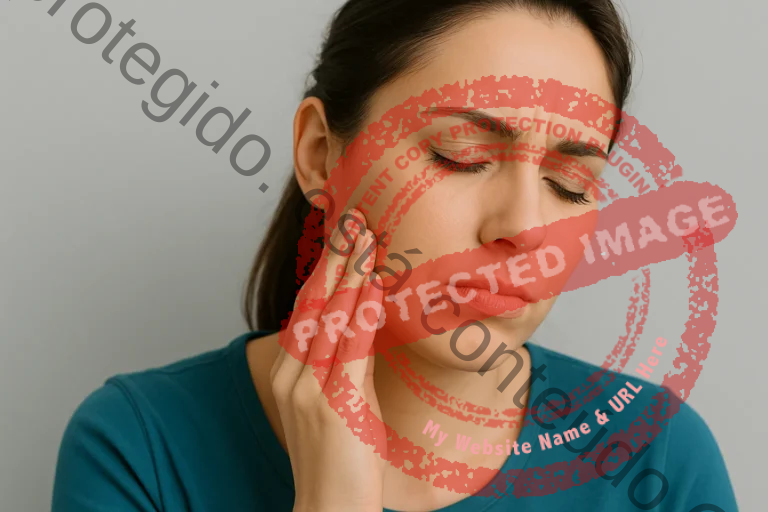


Headache is a medical term used to describe pains in the head, a prevalent condition affecting a significant portion of the population. Among the different types of headaches, tension-type headache is one of the most common, and it can occur on an occasional or constant basis. This article explores the main aspects related to tension-type headache, its causes, and therapeutic approaches to consider.
Characteristics of tension-type headache
Unlike migraine, tension-type headache is generally not associated with symptoms such as nausea, vomiting or intense photophobia. The pain is often described as diffuse, with a sensation of pressure or tightening, varying in intensity from mild to moderate, and is generally bilateral and non-pulsatile. According to the International Classification of Headache Disorders (ICHD-3), tension-type headache does not significantly worsen with physical activity and does not present with obvious autonomic symptoms, as is the case with migraine.
This condition is generally associated with the musculature of the head and neck region, with particular emphasis on muscles such as the upper trapezius, splenius, sternocleidomastoid, masseter, temporalis, frontalis, occipital, and suboccipital muscles. The pain can radiate to different areas of the head, depending on the muscles involved. Manual palpation of these muscles, which can reproduce or intensify the pain, is a common clinical sign in individuals with tension-type headaches.
Tension-type headache triggers
Various factors can be associated with the onset and worsening of tension-type headaches, such as prolonged postures, stress, anxiety, lack of rest and postural changes. Repeated exposure to stress and muscle tension can be related to central sensitisation, which lowers the pain threshold and makes individuals more sensitive to headache episodes, even with low-intensity stimuli.
Furthermore, the stress Prolonged periods can lead to dysfunctional breathing patterns, such as upper chest breathing, which activates the sympathetic nervous system and increases muscle tone, particularly in the cervical and suboccipital muscles, frequently involved in tension-type headaches. The presence of musculoskeletal dysfunctions can worsen the condition and facilitate the chronification of symptoms. Therefore, an integrated approach that considers both the physical aspects and the patient's behavioural habits and lifestyle is important.
Cranial Osteopathy in the approach to tension-type headaches
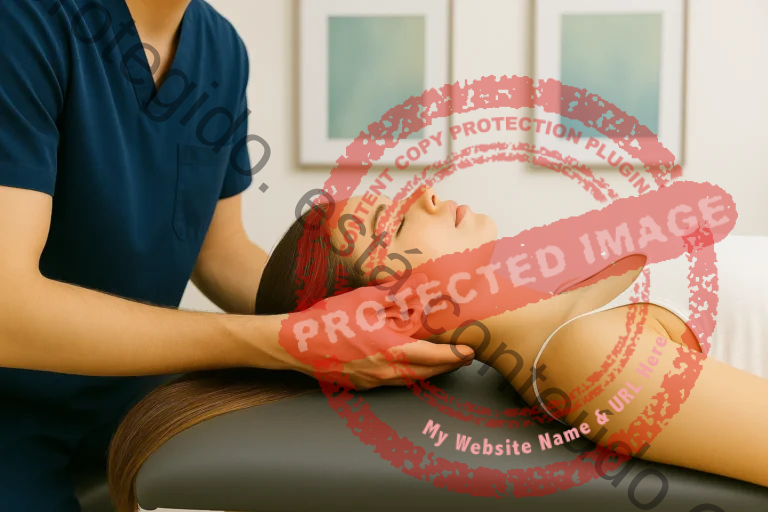
Osteopathy can act on cranial tensions, meningeal membranes, and the functional relationship between the skull, the Temporomandibular Joint (TMJ), and the cervical spine. In the context of tension-type headaches, Osteopathy aims to relieve muscular tension in the head and neck region, frequently involving muscles such as the upper trapezius, sternocleidomastoid, and masseters. Furthermore, it aims to promote the function of the affected structures, using neuromuscular, articular, and manual therapy techniques. These therapeutic approaches can improve muscle coordination and joint mobility. Cranial Osteopathy, with fascial and neuromeningeal techniques, can be applied to work on cranial dynamics, promoting the mobility of cranial sutures and reducing tensions in the cranial and cervical regions.
Understanding tension-type headache from an integrative perspective
Tension-type headache is characterised by persistent and diffuse head pain, generally associated with muscular tension in the neck and cranial region. Factors such as stress, Incorrect posture and muscle tension contribute to its appearance and worsening.
Osteopathy can be a recommended approach for relieving muscle tension, improving cranial dynamics and promoting nervous system balance, contributing to symptom management.
An individualised assessment is essential, considering not only the musculoskeletal system, but also the skull and the temporomandibular joint (TMJ), through Cranial Osteopathy, for a more complete approach.
At Integrativa, specialised consultations for TMJ and orofacial pain are part of a global clinical assessment, where the body is analysed in an integrated manner through physiotherapy and osteopathy, considering the interactions between the musculoskeletal (Structural Osteopathy), visceral (Visceral Osteopathy), and cranial (Cranial Osteopathy) systems. A complete and personalised clinical evaluation allows us to frame each situation in detail and define strategies tailored to individual needs, respecting the complexity of tension headaches.
The assessment consultation with a specialised Physiotherapist – Osteopath allows for a careful and individualized understanding of how this integrative approach can be beneficial for your case.
Related articles





David Brandão | Osteopath and Physiotherapist
Specialising in Cranial Osteopathy for TMJ, Orofacial Pain and Headaches
Physiotherapist Card: 3652 | Order of Physiotherapists // Osteopath Card: C-0031697 | ACSS
Integrativa | Health and well-being as a lifestyle
This website and its content are for information purposes only and are not a substitute for medical or health professional advice. In all cases, treatments should be individualised and guided by health professionals. Do not make any changes to your treatment without contacting the doctor or health professional accompanying you.
Reference articles
- Headache Classification Committee of the International Headache Society (IHS). (2018). The International Classification of Headache Disorders, 3rd edition (ICHD-3). Cephalalgia, 38(1), 1–211. https://doi.org/10.1177/0333102417738202
- Bendtsen, L. (2000). Central sensitization in tension-type headache—possible pathophysiological mechanisms. Cephalalgia, 20(5), 486–508. https://doi.org/10.1046/j.1468-2982.2000.00070.x
- Ashina, S., Bendtsen, L., & Ashina, M. (2015). Pathophysiology of tension-type headache. Current Pain and Headache Reports, 19(9), 46. https://doi.org/10.1007/s11916-015-0510-2
- Courtney, R. (2009). The functions of breathing and its dysfunctions and their relationship to breathing therapy. *International Journal of Osteopathic Medicine*, *12*(3), 78–85. https://doi.org/10.1016/j.ijosm.2009.04.002
- Chaitow, L., Bradley, D., & Gilbert, C. (2014). Multidisciplinary approaches to breathing pattern disorders. Elsevier Churchill Livingstone.
- Fernández-de-Las-Peñas, C., et al. (2007). Myofascial trigger points and their relationship to headache clinical parameters in chronic tension-type headache. *Headache*, 47(5), 662–672. https://doi.org/10.1111/j.1526-4610.2006.00740.x
- Bogduk, N. (2009). The anatomy of headache. *Cephalalgia*, *29*(1), 1–16. https://doi.org/10.1111/j.1468-2982.2008.01716.x
Integrativa | Health and well-being as a lifestyle
This website and its content are for information purposes only and are not a substitute for medical or health professional advice. Each person's treatment should be individualised and guided by health professionals. Do not make any changes to your treatment without contacting the doctor or health professional accompanying you.
Related articles