

The Vagus Nerve, the largest nerve of the autonomic nervous system, plays a fundamental role in regulating essential bodily functions, including breathing, digestion, heart rate and the response to stress As one of the main communication pathways between the brain and internal organs, especially the gastrointestinal system, the Vagus Nerve has a direct impact on the functionality and balance of the digestive system (Kox et al., 2014).
Visceral Osteopathy, a manual therapy approach, effectively optimises Vagus Nerve health by addressing restrictions in the viscera and their connections to the musculoskeletal system. This article explores how Visceral Osteopathy can be beneficial in improving Vagus Nerve function, particularly in the context of digestion and emotional balance.
What is Visceral Osteopathy?
Visceral Osteopathy is a therapeutic approach focused on the gentle manipulation of internal organs (viscera), as well as their interactions with the musculoskeletal system, aiming to optimise mobility and functionality. The primary objective is to relieve tensions and adhesions in the fascia, the membranes that envelop organs, ligaments, and muscles, and to promote the proper movement of internal organs. When restrictions occur in this fascial system, they can interfere with the function of the Vagus Nerve, affecting communication between the organs and the brain, and compromising the balance of the autonomic nervous system.
The impact of the Vagus Nerve on digestion and brain-gut communication
The Vagus Nerve is essential in the regulation of digestive functions, such as gastric juice secretion, intestinal motility, and the production of digestive enzymes, directly contributing to efficient nutrient absorption and waste elimination (Jerath et al., 2015). Furthermore, the Vagus Nerve plays a fundamental role in the communication between the brain and the gut, known as the “gut-brain axis”, influencing both digestive health and emotional balance (Pavlov & Tracey, 2005). In situations of stress, The Vagus Nerve activates the parasympathetic nervous system, promoting the relaxation of the gastrointestinal system and facilitating digestion (Tanaka, 2022). The Vagus Nerve also regulates the gut microbiota, which plays an essential role in the production of neurotransmitters, such as serotonin, fundamental for emotional and psychological states (Wang, 2023). Thus, the Vagus Nerve has a fundamental role in digestive and emotional health, highlighting the interdependence between the gastrointestinal system and mental well-being.
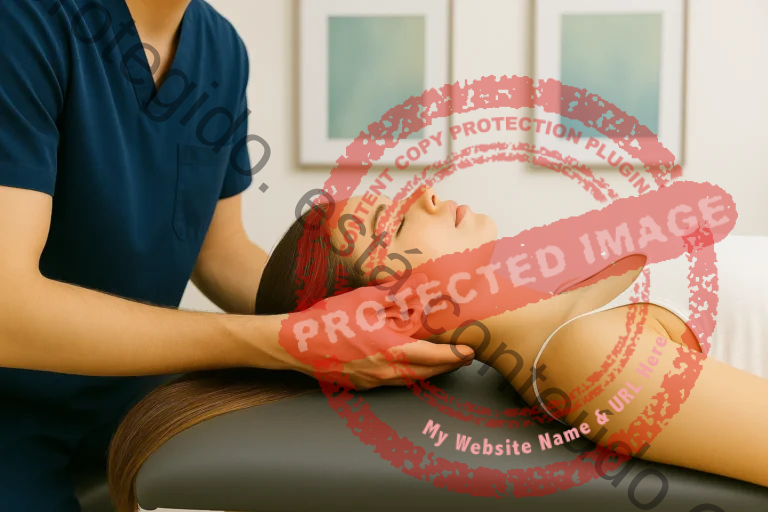
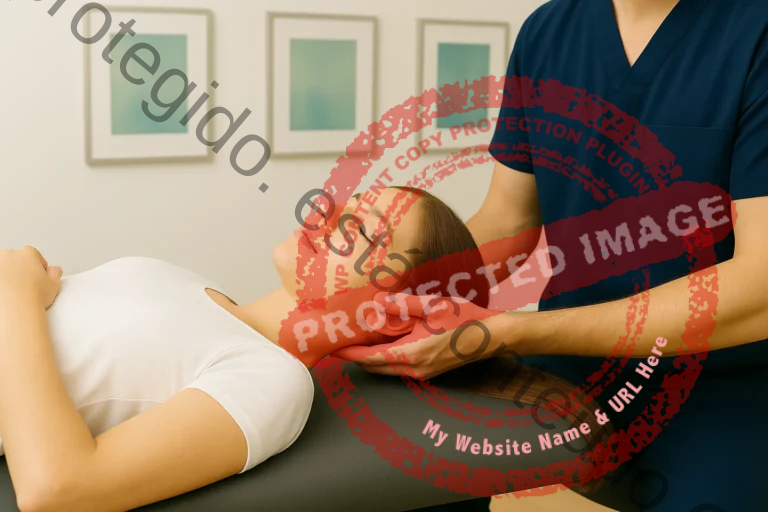
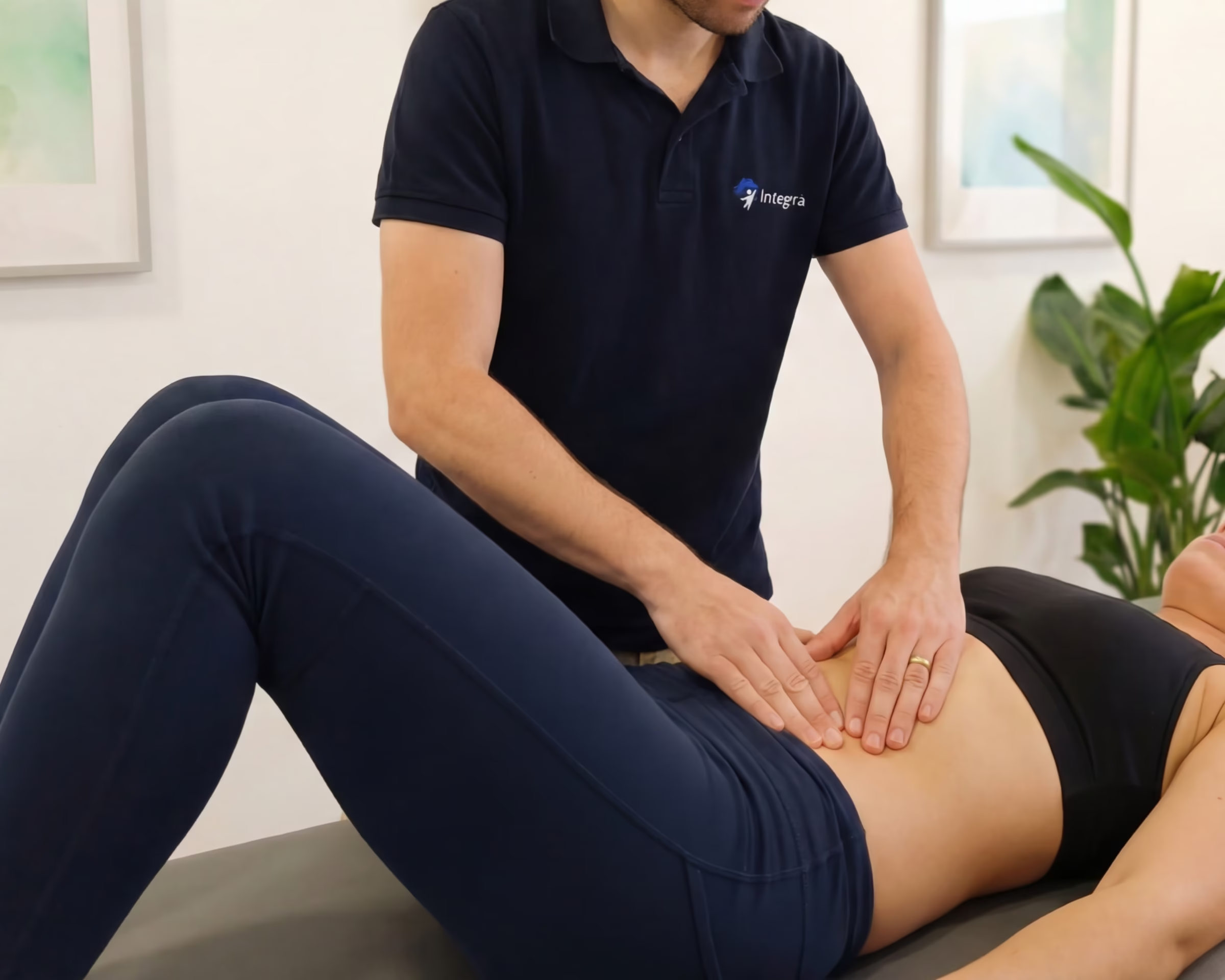
Osteopathy Visceral influences the Vagus Nerve by applying gentle, sustained pressure and rhythmic movements to the abdomen. This technique aims to release tension in the organs and surrounding connective tissues. As the Vagus nerve has connections throughout the abdominal viscera, reducing tension and improving motility in these areas can positively affect the nerve's function. Optimising the mobility and function of the organs may help to reduce any mechanical stress or irritation that could be impinging on the Vagus nerve pathways, potentially leading to improved parasympathetic nervous system activity. This can manifest as a calming effect and a better regulation of bodily functions controlled by the Vagus nerve, such as heart rate, digestion, and mood.
Visceral Osteopathy acts on different physiological mechanisms that can support the regulation of the Vagus Nerve, directly influencing structures that affect its functioning. Among the main mechanisms involved, the following stand out:
Release of fascial adhesions
The fascial system that surrounds the internal organs, including the viscera, can be affected by tension derived from inflammation, stress, Surgical interventions, infections, or chronic tension patterns. When restrictions arise within this system, it can interfere with organ mobility and the activity of associated vagal receptors, hindering efficient communication between the brain and internal organs.
Visceral Osteopathy can act on these adhesions by applying techniques that promote the reduction of tension in the tissues and along the entire pathway of the Vagus Nerve, such as the neck, thorax, diaphragm, and abdomen. By improving the elasticity and mobility of fascial structures, neurovisceral communication is facilitated, allowing the Vagus Nerve to perform its regulatory function more effectively.
Improved blood circulation and lymphatic drainage
Visceral Osteopathy also contributes to the improvement of blood circulation and lymphatic drainage in internal organs. When the fascial system gains mobility, the circulation of blood and lymph becomes more efficient. Improved blood supply favours the oxygenation and nutrition of tissues, promoting proper organ function. This effect is particularly relevant for the Vagus Nerve, as its function is closely linked to the regulation of digestion, the cardiovascular system, and the immune system.
By improving the nutrition and oxygenation of the organs, the proper functioning of the Vagus Nerve is facilitated, promoting greater efficiency in its regulatory functions.
Organ mobility balance
Osteopathic manipulation promotes the optimisation of normal mobility of internal organs. When organs are restricted due to adhesions or fascial tensions, the regulation of autonomic functions, such as digestion, respiration, and heart rate, can be compromised. By improving organ mobility, Visceral Osteopathy contributes to the more efficient functioning of the Vagus Nerve, facilitating the regulation of these vital functions.
Balance of the Autonomic Nervous System
When acting on the viscera, the diaphragm and associated fascial chains, Visceral Osteopathy exerts a direct impact on afferent vagal circuits, promoting a greater predominance of parasympathetic activity. The parasympathetic nervous system, which is responsible for the “rest and digest” state, helps to regulate functions such as digestion, recovery, and the management of the response to stress.
With the reduction of sympathetic hyperactivity, often associated with states of stress chronic, anxiety, inflammation and digestive dysfunctions, the body tends to enter a state of greater relaxation and internal stability. This process can be accompanied by a feeling of calm and well-being, as increased vagal activity promotes the body's self-regulation and facilitates recovery.
Benefits of Visceral Osteopathy for the Digestive System and Vagus Nerve Balance
Visceral Osteopathy can contribute to the regulation of the digestive system and the function of the Vagus Nerve. By acting on tensions in internal organs and fascia, it helps to activate the parasympathetic nervous system, promoting a state of relaxation. Organ manipulation can also improve intestinal motility and blood circulation, which can alleviate digestive problems such as oedema, constipation, and gastric reflux. Furthermore, by influencing the areas of the chest and neck where the Vagus Nerve passes, Osteopathy can help promote a more balanced heart rhythm. Optimising Vagus Nerve function can also have an impact on emotional regulation, contributing to the modulation of the response to stress and associated emotions.
Understanding Visceral Osteopathy and the Vagus Nerve from an Integrative Perspective
The Vagus Nerve plays a fundamental role in the regulation of vital bodily functions, including digestion, heart rate and the response to stress. Its efficient function is essential for the balance between the digestive, cardiovascular, and emotional systems, and Visceral Osteopathy can be a valuable tool for optimising this function.
When working on fascias and their restrictions, Visceral Osteopathy can improve neurovisceral communication, enhance organ mobility, promote efficient blood circulation, and balance the autonomic nervous system. This approach can thus have a positive impact on digestive and emotional health, promoting global well-being and aiding recovery from functional disorders related to the Vagus Nerve, such as digestive problems., stress chronic and emotional imbalances.
The vagus nerve is just one of the many systems that osteopathy can help balance.
In an Integrative Osteopathy consultation, we work on the connection between the body, the nervous system, and natural self-regulation. More than just a physical intervention, Osteopathy is a holistic approach that aims to stimulate the body to achieve its natural balance. Our approach is complemented by Clinical Psychoneuroimmunology. This model allows us to consider factors such as sleep, physical exercise, a balanced diet, and regulation of stress and the use of relaxation strategies.
Book an Integrative Osteopathy assessment and discover, in a personalised and careful way, how this integrative approach can help with your case.
David Brandão | Osteopath and Physiotherapist
Specialising in Cranio-Visceral Osteopathy and Clinical Psychoneuroimmunology
Physiotherapist Card: 3652 | Order of Physiotherapists // Osteopath Card: C-0031697 | ACSS
Reference articles
- Jerath, R., Edry, J. W., Barnes, V. A., & Jerath, V. (2015). Physiology of long pranayamic breathing: Neuronal breathing control and its impact on the body and mind. Journal of Yoga & Physical Therapy, 5(1), 1-8. https://doi.org/10.4172/2157-7595.1000183
- Kox, M., van Eijk, L. T., & Henskens, H. (2014). The vagus nerve and its role in controlling inflammation: How to stimulate the vagus nerve for therapeutic purposes. Journal of Neuroimmune Pharmacology, 9(1), 20-31. https://doi.org/10.1007/s11481-014-9569-1
- Pavlov, V. A., & Tracey, K. J. (2005). The vagus nerve and the inflammatory reflex-linking immunity and metabolism. Nature Reviews Endocrinology, 1(6), 30-34. https://doi.org/10.1038/nrendo.2013.242
- Tanaka, H. (2022). The vagus nerve: A critical mediator of the mind-body connection. Journal of Clinical Psychology, 15(3), 121-134. https://doi.org/10.1002/jclp.23124
- Wang, H. (2023). Vagus nerve stimulation in clinical practice: Applications and results. Clinical Neurophysiology, 134(2), 101-115. https://doi.org/10.1016/j.clinph.2023.01.002
Integrativa | Health and well-being as a lifestyle
This website and its content are for information purposes only and are not a substitute for medical or health professional advice. Each person's treatment should be individualised and guided by health professionals. Do not make any changes to your treatment without contacting the doctor or health professional accompanying you.
Related articles