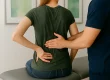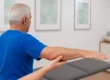


What is Osteopathy
Osteopathy is a clinical approach based on in-depth knowledge of the anatomy and physiology of the human body, as well as an understanding of the functional relationships between the different systems. Osteopathic assessment focuses on how bones, muscles, joints, fasciae, organs and cranial structures interact with each other and influence the overall functioning of the body.
From this perspective, the body is seen as an integrated functional unit. Changes in a particular structure can have repercussions in other areas, so the assessment is not limited to the site of the pain or discomfort, but seeks to place the symptom in the person's overall context.
The World Health Organisation describes osteopathy as a system of healthcare that values the body's ability to regulate itself, provided the right structural, environmental and nutritional conditions are in place.
Osteopathic philosophy
The philosophy of osteopathy is based on the realisation that the balance between the different systems of the body is associated with overall well-being. When this balance is altered, symptoms or functional limitations can arise.
One of the central principles is the relationship between structure and function. Changes in nervous, musculoskeletal, visceral or cranial structures can influence functions such as movement, circulation, breathing, digestion or neurological regulation. Similarly, persistent functional alterations can be reflected in the structure. The osteopathic approach seeks to understand these interactions in the individual clinical context.
Capacity for self-regulation
Osteopathy recognises that the body has natural mechanisms for adaptation and regulation, responsible for maintaining physiological balance, known as homeostasis. Osteopathic intervention respects these mechanisms, seeking to identify factors that may interfere with this adaptive capacity.
The aim of the consultation is not to focus solely on symptoms, but to understand the factors that may be associated with functional imbalance, integrating this information into clinical reasoning.
A global approach to the body
Osteopathic assessment is carried out in an integrated manner, considering the different systems of the body and how they relate to each other. In clinical terms, this approach is usually organised into three main areas of intervention, which are considered together according to the needs identified in each person.
Structural osteopathy is related to the neuro-musculo-skeletal system and includes the assessment of bones, joints, muscles, fascia and peripheral nerves. It seeks to understand how changes in mobility, posture or movement control may be associated with pain or functional limitations.
Visceral osteopathy focuses on assessing the mobility and functional relationship of internal organs with each other and with surrounding structures. Restrictions in mobility or changes in tissue tension can influence body mechanics and the function of other regions, and are considered in clinical reasoning whenever relevant.
Cranial osteopathy involves the assessment of cranial structures and their relationship with the central nervous system, integrating the analysis of tissue tension and mobility patterns from a functional perspective of the organism.
Osteopathic techniques
The techniques used in osteopathy are not limited to joint manipulation. Depending on the clinical assessment, the intervention can include a wide range of techniques aimed at different tissues in the body, such as muscles, joints, fascia, organs and nerve structures.
In the musculoskeletal system, manual techniques aimed at joint mobility, tissue elasticity and coordination between the structures involved in movement can be applied. When indicated, visceral osteopathy uses gentle techniques aimed at the mobility of internal organs and their functional relationship with adjacent structures. Similarly, cranial osteopathy uses subtle manual contacts to assess and address patterns of mobility and tension in cranial structures.
Techniques are chosen and combined on the basis of clinical reasoning, respecting safety, individual tolerance and the context of each person, as part of informed, person-centred clinical care.
Osteopathy throughout the different stages of life
Osteopathy can be integrated into the clinical care of people at different stages of life, from infancy to adulthood and the elderly. The approach and techniques used are adjusted to the age, clinical context and individual characteristics of each person.
It can be considered both in acute situations and in the context of persistent complaints, always on the basis of an individualised assessment.
Understanding osteopathy from an integrative perspective
What distinguishes osteopathy is the depth of the assessment and the way it integrates the relationship between the body's structure, function and adaptation. The intervention is not centred solely on the site of the symptom, but seeks to understand the person's global context.
In integrative clinical practice, osteopathy can be combined with other areas of health, such as physiotherapy, psychoneuroimmunology or Clinical Pilates, contributing to a more informed and person-centred approach. Osteopathic counselling seeks to support health and well-being in a progressive way, respecting individuality and the personal clinical context.
David Brandão | Osteopath and Physiotherapist
Physiotherapist Card: 3652 | Order of Physiotherapists // Osteopath Card: C-0031697 | ACSS
Integrativa | Health and well-being as a lifestyle
This website and its content are for information purposes only and are not a substitute for medical or health professional advice. In all cases, treatments should be individualised and guided by health professionals. Do not make any changes to your treatment without contacting the doctor or health professional accompanying you.
Related articles