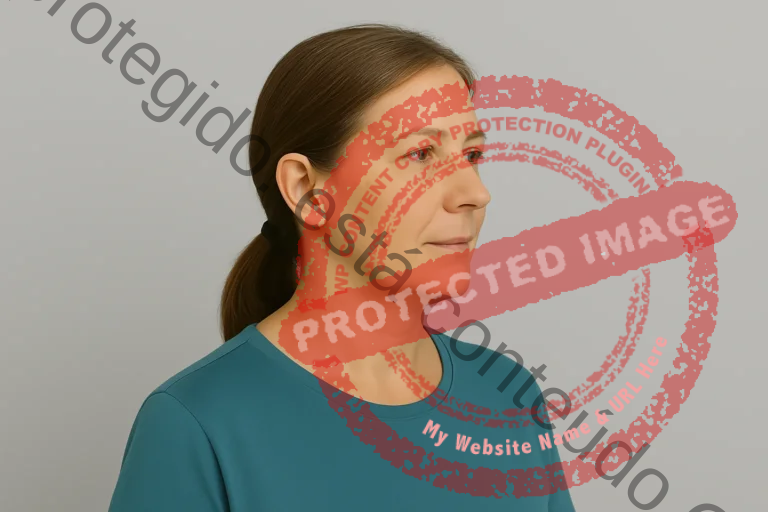



Facial paralysis is a neurological condition that compromises the muscles of the face and can make it difficult to perform essential functions such as speaking, chewing, drinking, smiling or closing your eyes. These functional changes can have a significant impact on quality of life, both physically and emotionally.
In this context, self-care takes centre stage. Integrating consistent habits of care for the body, mind and emotions helps to support the natural processes of recovery, reduce the burden of stress and strengthen adaptation to the challenges of everyday life. Practising self-care promotes overall health, fosters self-esteem and strengthens individual resilience.
Here are some self-care practices that are often useful in helping to recover from facial paralysis.
Facial massage
Facial massage, adapted to the specific needs of each person, can favour local blood circulation and help reduce muscle tension. This practice can also help relieve discomfort and promote greater body awareness of the facial muscles.
Oral hygiene
Facial paralysis can interfere with chewing and swallowing, increasing the risk of food residue accumulation. Strict oral hygiene, including regular brushing and complementary care, is important to prevent cavities, gum inflammation and other oral complications.
Balanced nutrition
A varied and nutritionally adequate diet is an essential pillar of self-care. The regular inclusion of fruit, vegetables, lean proteins, healthy fats and whole grains provides important vitamins and minerals for cell metabolism and tissue repair processes, and can also help to modulate systemic inflammation.
Adequate rest
Rest is essential for the body's regeneration. It is advisable to respect the signs of fatigue and avoid activities that increase facial tension or the stress in general, especially during more sensitive phases.
Regular physical activity
The practice of physical exercise, adjusted to the individual's clinical condition and abilities, supports cardiovascular and musculoskeletal health, improves mood and can reduce blood pressure levels. stress, promoting greater energy and vitality.
Enough sleep
Regular, restorative sleep is essential for neuroendocrine and immunological balance. Most adults benefit from around 7 to 9 hours of sleep a night, although needs may vary.
Management stress
Chronic stress can negatively interfere with recovery mechanisms. Strategies such as meditation, yoga, breathing exercises, psychotherapy, recreational and leisure activities can be integrated into daily life. Additional practices, such as relaxing baths or aromatherapy, can complement these approaches, provided they suit the individual.
Mental health and emotional well-being
The emotional impact of facial paralysis should not be underestimated. Psychological counselling, participation in support groups or regular practice of relaxation techniques can contribute to better emotional adjustment and overall well-being.
Practising gratitude
Conscious gratitude, even through simple gestures such as identifying something positive on a daily basis, can support emotional regulation and help reduce the perception of stress.
Maintaining social ties
Regular contact with friends and family is a recognised protective factor for mental health. Social relationships favour feelings of belonging, reduce isolation and contribute to a greater sense of well-being.
Understanding facial paralysis from an integrative perspective implies recognising that self-care must be individualised and adjusted to each person's specific needs. These practices can support both physical and emotional symptoms, contributing to a better quality of life throughout the recovery process.
It is always advisable to discuss these strategies with a qualified healthcare professional to ensure a safe, appropriate approach that is aligned with the individual clinical situation.
Taking care of yourself is an essential part of this journey.
At Integrativa, the Facial Paralysis Specialized Physiotherapy are based on a rigorous clinical assessment of mobility, symmetry, muscle strength, coordination, compensatory patterns and functional impact (speech, chewing, swallowing and emotional expression), allowing each case to be understood on an individual basis. Based on this detailed analysis, a progressive physiotherapy intervention plan is defined, guided by clear clinical objectives, adjusted to each person's needs and the different stages of recovery, promoting effective and sustained functional improvement.
Alexandra Gomes | Physiotherapist specialising in the treatment and recovery of Facial Paralysis
member of the Facial Therapy Specialists International (FTSI)
Physiotherapist Card: 1459 | Order of Physiotherapists
Integrativa | Health and well-being as a lifestyle
This website and its content are for information purposes only and are not a substitute for medical or health professional advice. In all cases, treatments should be individualised and guided by health professionals. Do not make any changes to your treatment without contacting the doctor or health professional accompanying you.
Related articles