

Working long hours sitting down or maintaining the same position for long periods has become commonplace, but that doesn't mean it's healthy. The human body is designed for movement.
Scientific evidence shows that a sedentary lifestyle at work is associated with muscle stiffness, discomfort and musculoskeletal pain, especially in the neck, shoulders, back and wrists. It can also contribute to fatigue, reduced concentration, metabolic changes and increased cardiovascular risk.
According to the World Health Organisation, physical inactivity is one of the main risk factors for chronic diseases globally. Recent studies also show that interrupting sitting time with short active breaks and stretching at work can improve circulation, reduce musculoskeletal discomfort and promote greater well-being throughout the day.
This is why incorporating simple stretches at work is a practical, accessible strategy that is supported by scientific evidence.
Why can a sedentary lifestyle at work cause pain?
Sitting for long periods can cause various changes in the body, including:
Decreased muscle activation
Reduced blood flow
Mechanical overload in some joints
Maintaining static postures for a long time
Increased muscle stiffness
These changes can contribute to neck, shoulder, back or wrist pain, especially in people who work long hours at the computer.
Current recommendations highlight the importance of reducing sedentary behaviour throughout the day, encouraging frequent breaks and moments of movement.
Benefits of stretching at work
Stretching at work or taking short breaks from movement can bring many benefits:
Reduction of muscle tension and pain
Improved blood circulation
Increased concentration and productivity
Reduction of stress
Promoting a more balanced posture
Prevention of overloads and injuries
Maintaining joint mobility and health
Even simple movements can have a positive impact when performed regularly.
How to take active breaks at work
Scientific evidence suggests some simple strategies to reduce the effects of a sedentary lifestyle:
Take breaks every 30 to 60 minutes of continuous work
Interrupt sitting time with 1 to 5 minutes of movement
Alternate between sitting, standing and walking whenever possible
Prioritise regularity rather than duration of exercise
Short breaks throughout the day can help keep the body more active and reduce the feeling of muscle stiffness.
Simple exercises and stretches to do at work
No special equipment or change of clothes is required. These stretches can be done in the office or at home, during short breaks throughout the day.
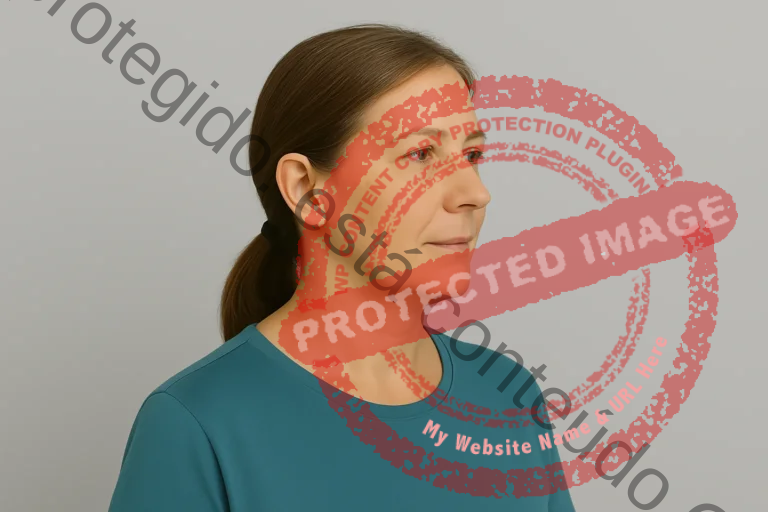
Neck stretching
Tilt your head to one side and hold for 20 to 30 seconds. Repeat for the other side.
You can also gently tilt your head forwards and backwards in a controlled manner for between 3 and 5 repetitions.
Benefit: helps relieve tension in the cervical region.
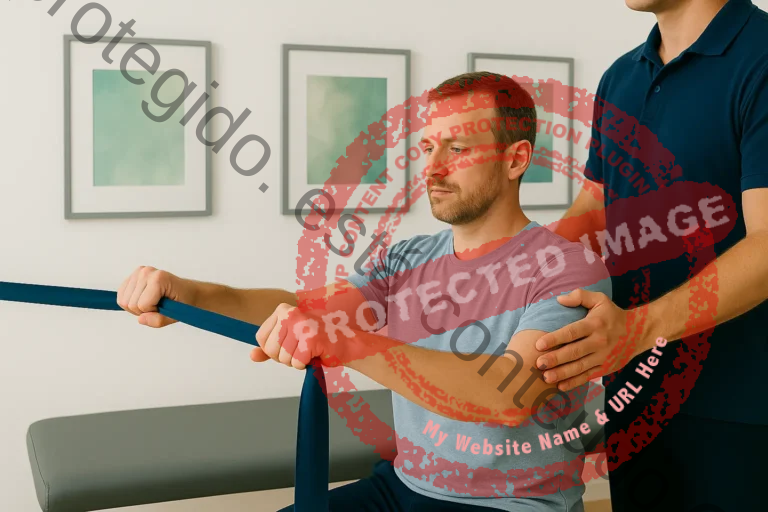
Shoulder mobilisation
Raise your shoulders towards your ears, hold for 3 seconds and relax. Repeat 5 to 8 times.
Also make circular movements with your shoulders forwards and backwards.
Benefit: reduces stiffness in the shoulders and upper back.
Stretching the wrists and hands
Stretch one arm out in front of you and gently pull your fingers down or up with the other hand. Hold for 20 to 30 seconds and repeat on the other side.
Benefit: especially useful for those who use a keyboard and mouse for many hours.
Spinal rotation
Sitting down, turn your torso slightly to one side, leaning on the back of the chair. Hold for 20 to 30 seconds and repeat on the other side.
Benefit: improves the mobility of the spine.
Stretching the legs and lower back
Standing up, lean forwards with your legs slightly apart and hold the position for 20 to 30 seconds.
Benefit: helps relieve tension in the lumbar region and the back of the legs.
Ankle movement and short walks
Shift your weight between both legs, gently mobilise your ankles and, whenever possible, take short walks.
Benefit: stimulates circulation and reduces the feeling of heavy legs.
Is stretching at work a substitute for exercise?
No. Active breaks help to reduce the effects of a sedentary lifestyle, but they are not a substitute for regular physical exercise.
International recommendations suggest between 150 and 300 minutes of moderate physical activity per week. Stretching at work should be seen as an important complement to reducing stiffness and keeping the body active during the day.
Incorporating stretching at work and short active breaks throughout the day is a simple, safe strategy supported by scientific evidence.
When combined with proper ergonomics and regular exercise, these habits can help reduce musculoskeletal pain, improve mobility, increase concentration and promote physical and mental well-being.
Small breaks in movement can make a big difference. Getting up, moving around and varying positions throughout the day are simple gestures that help take care of your body today and in the future.
Rita Xarepe | Physiotherapist and Clinical Pilates Instructor by APPI
Physiotherapist Card: 4209 | Order of Physiotherapists
Integrativa | Health and well-being as a lifestyle
This website and its content are for information purposes only and are not a substitute for medical or health professional advice. In all cases, treatments should be individualised and guided by health professionals. Do not make any changes to your treatment without contacting the doctor or health professional accompanying you.
Related articles