

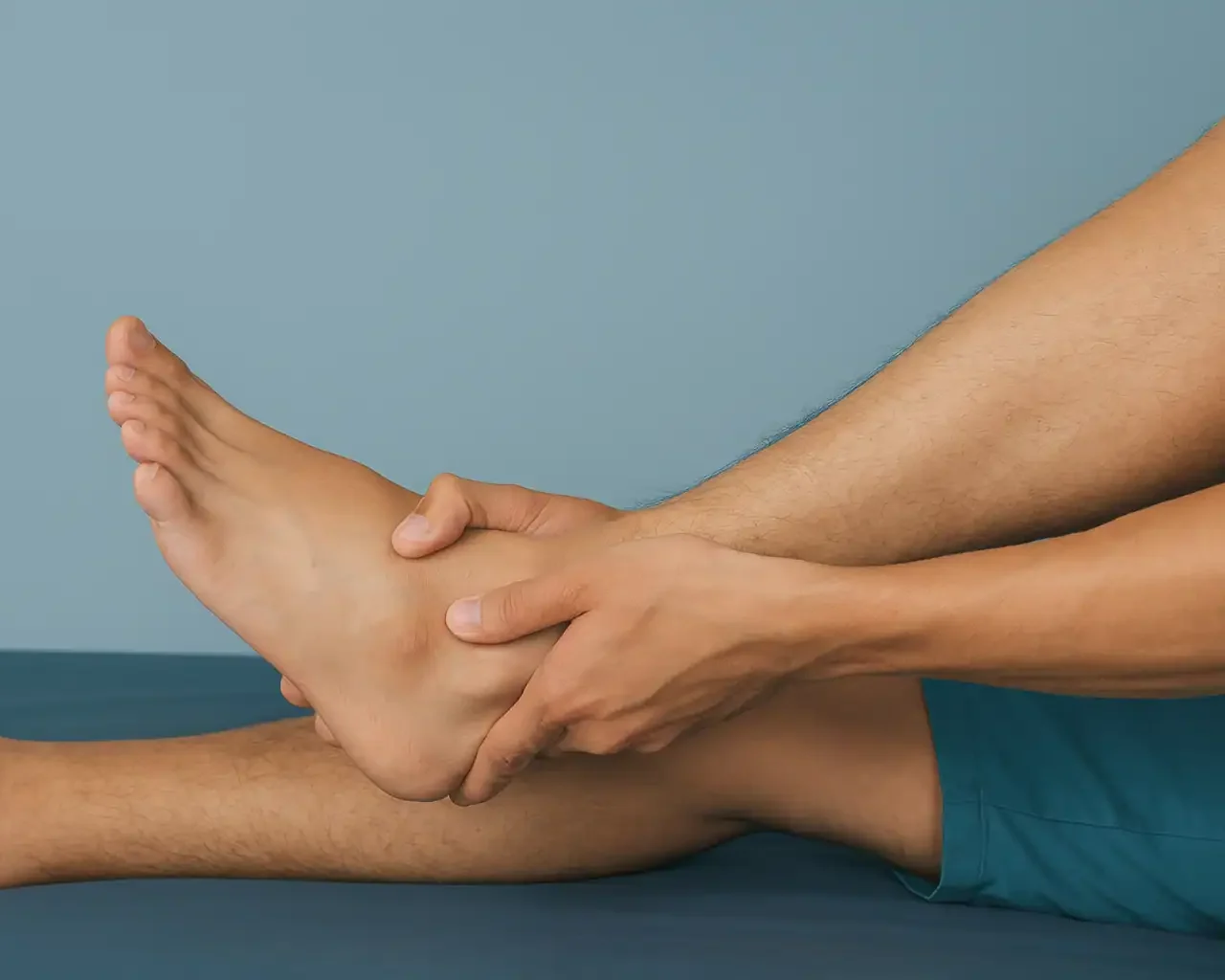
Flat feet, also known as flat feet or valgus flat feet, is a common condition characterised by a reduced or absent medial plantar arch. In these situations, a large part of the sole of the foot comes into contact with the ground during walking or standing.
Although it is often seen as a benign alteration, flat feet can in some cases be associated with pain, muscle fatigue, functional limitations and biomechanical alterations. These changes don't just affect the foot, they can influence the entire kinetic chain of the lower limb.
Physiotherapy plays an important role in the conservative approach to flat feet and is often considered the first line of intervention in symptomatic cases, according to the available scientific evidence.
Types of flat feet
There are two main types of flatfoot:
- Flexible flat feetThis is the most common type. The plantar arch is not visible under load, but appears when the person stands on tiptoe or when the foot is unloaded. It usually responds well to conservative treatment.
- Rigid flat footIn this case, the plantar arch does not form, even when unloading or tiptoeing. It may be associated with structural, neurological or genetic alterations, requiring a more detailed clinical assessment.
Symptoms associated with flat feet
Although many people with flat feet don't experience symptoms, when they do they can include:
- Pain in the foot, ankle or leg
- Muscle fatigue after walking or standing for a long time
- Difficulty walking or running
- Postural changes:
- Increased risk of overload injuries
- Pain in the knee, hip or lumbar spine
The role of physiotherapy
Physiotherapy is a central intervention in the conservative treatment of flat feet, especially in flexible and symptomatic cases. The aim is not just to intervene in the structure of the foot, but to improve its function.
The physiotherapeutic approach aims to:
- Reduce pain and discomfort
- Improve plantar arch function under load
- Increase strength and neuromuscular control
- Improve joint stability and mobility
- Prevent biomechanical complications and long-term injuries
The main benefits of physiotherapy
Increased mobility
Muscle shortening, particularly of the calves and Achilles tendon, is common in people with flat feet. Specific stretching helps improve ankle and foot mobility, promoting a more efficient gait pattern.
Muscle strengthening and neuromuscular control
Flat feet are often associated with deficits in muscle strength and control. Physiotherapy focuses on strengthening the relevant muscles, such as the tibialis posterior, tibialis anterior and the intrinsic muscles of the foot. This work helps to improve ankle stability and reduce compensations.
Improved balance and proprioception
Changes in foot function can compromise balance and stability. Proprioceptive training improves body awareness, increases stability in unipodal support and reduces the risk of sprains and falls.
Improved plantar arch function
Physiotherapy intervention contributes to better activation and control of the plantar arch during movement, promoting greater biomechanical efficiency.
Prevention of associated injuries
Flat feet can influence the entire kinetic chain of the lower limb. Without proper intervention, it can contribute to overload injuries and pain in other joints. Physiotherapy plays a preventative role, promoting more efficient movement patterns.
Pain and discomfort relief
Physiotherapy helps to reduce the overload on the structures of the foot, improve the distribution of forces during support and relieve associated conditions such as plantar fasciitis or overload of the posterior tibial tendon.
Flat feet is a common condition that can be managed through a structured and individualised physiotherapy programme. Intervention should take into account factors such as age, degree of flatfoot, presence of symptoms, level of physical activity and functional goals.
Early intervention, individualised treatment and the use of evidence-based strategies are key to promoting better function and preventing long-term complications.
Rita Xarepe | Physiotherapist and Clinical Pilates Instructor by APPI
Physiotherapist Card: 4209 | Order of Physiotherapists
Integrativa | Health and well-being as a lifestyle
This website and its content are for information purposes only and are not a substitute for medical or health professional advice. In all cases, treatments should be individualised and guided by health professionals. Do not make any changes to your treatment without contacting the doctor or health professional accompanying you.
Related articles