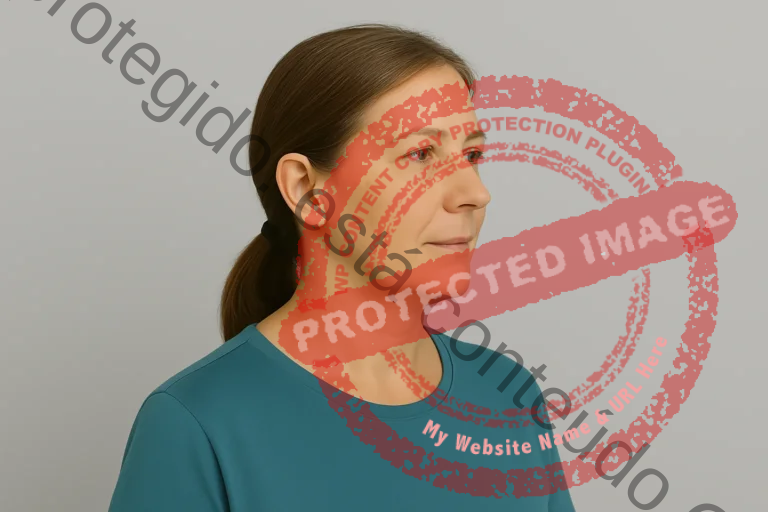


Discovering that a child has facial paralysis can be a moment of great concern. Facial paralysis in childhood often occurs suddenly and interferes with the mobility of facial muscles, making actions such as blinking, smiling, and expressing emotions difficult. Despite the initial impact, it is important to know that with timely medical evaluation and appropriate follow-up, most children experience a favourable outcome.
The importance of seeking medical help quickly
Upon noticing the first signs of facial paralysis, such as facial asymmetry or difficulty closing an eye, it is essential to seek medical evaluation or go to an emergency service. In many cases, especially when a viral origin is suspected, early intervention can positively influence the outcome.
The doctor may prescribe corticosteroids to reduce inflammation of the facial nerve and antivirals when viral involvement, such as herpes simplex, is suspected.
Eye care
One of the most frequent changes in facial paralysis is the difficulty in completely closing the eye on the affected side. This situation increases the risk of dry eyes and can compromise the integrity of the cornea.
To reduce this risk, it is recommended:
- Application of eye drops or eye ointments as prescribed by a doctor
- Use of protective eyewear during the day to reduce exposure to wind, dust and irritants
- Eye protection overnight when the eyelid does not close completely, according to clinical guidance
These measures are fundamental to prevent irritation, infections, and eye injuries.
Specialised physiotherapy and recovery support
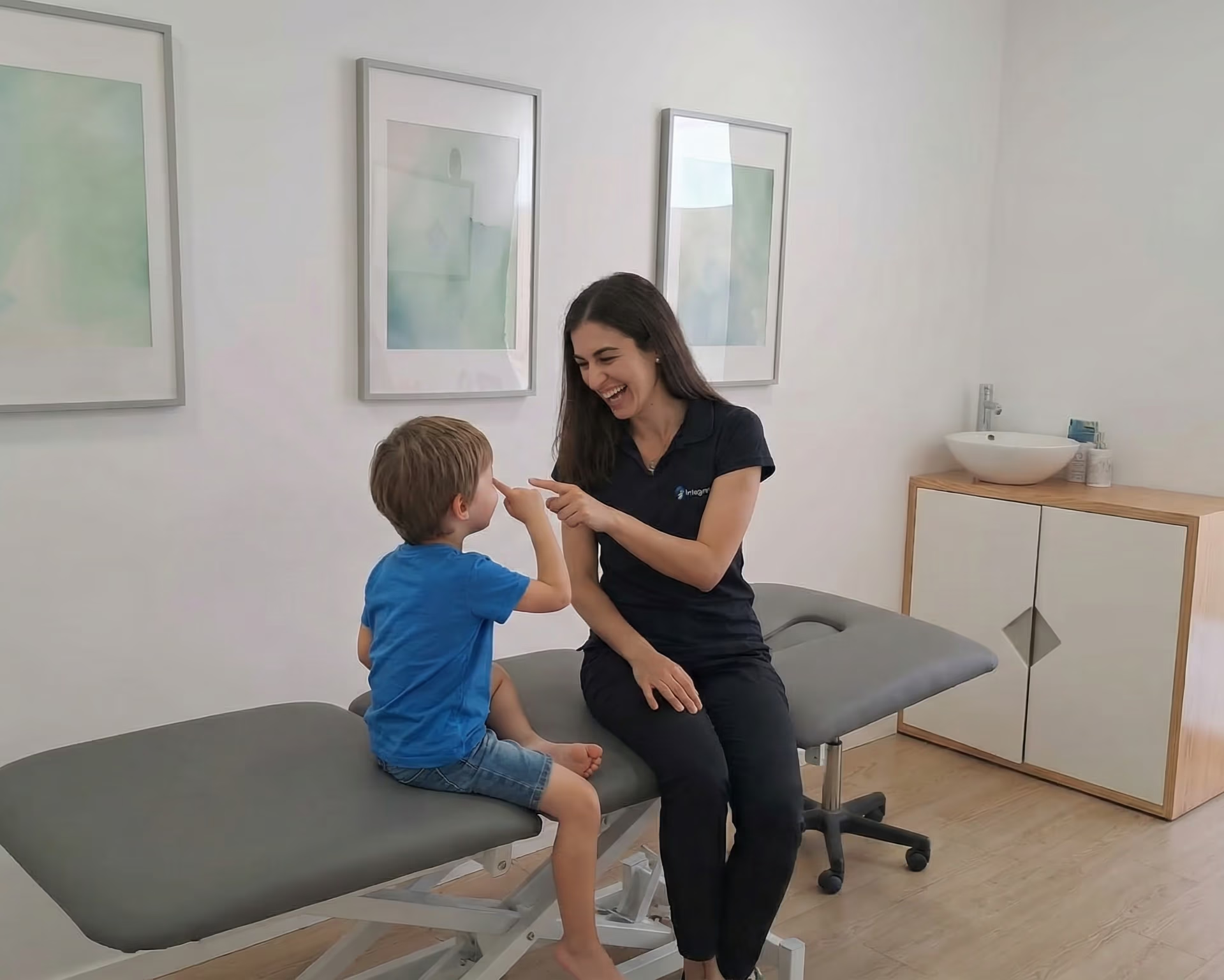
Specialised physiotherapy for facial paralysis plays a relevant role in the neuromuscular reorganisation of the face and in supporting functional recovery, and should be conducted by professionals with specific training in this area.
In the physiotherapeutic approach, the following can be integrated:
- Specific, controlled exercises adapted to the child's age and developmental stage, avoiding excessive exertion.
- Neuromuscular re-education techniques, aimed at improving motor control and facial dynamics
- Parental education, teaching simple strategies such as gentle massages or guided exercises, for continued support at home, whenever indicated.
The intervention is individually adjusted, respecting the face's own physiology and the self-organisation rhythms of the facial nerve.
Avoid excessive effort
An essential aspect throughout recovery is to avoid overexertion. Excessive repetition of movements or applying inadequate force can promote disorganised motor patterns and increase the risk of synkinesias, characterised by involuntary movements associated with voluntary movements.
The balance between stimulation and rest is key, with the specialist physiotherapist responsible for guiding the appropriate amount and type of exercises for each phase.
The role of parents
Parents play an active role on this journey. In addition to ensuring medical and physiotherapy guidelines are followed, emotional support is fundamental. Facial paralysis can be challenging for the child, and feeling understood, accompanied, and safe contributes to a more positive adjustment.
Understanding childhood facial paralysis from an integrative perspective
Facial paralysis can be initially frightening, but with proper medical evaluation, consistent eye care, and specialised physiotherapy, many children make progressive and functional recoveries.
Parental involvement, combined with an integrative approach, allows for support in the neuromuscular reorganisation of the face and promotes greater autonomy in daily life. Seeking specialised support helps to guide this process safely, respecting the individual needs of each child and the complexity of the facial neuromuscular system.
At Integrativa physiotherapy specialising in facial paralysis It is based on a rigorous clinical evaluation of mobility, symmetry, muscle strength, coordination, compensatory patterns, and functional impact, including speech, chewing, swallowing, and emotional expression. This evaluation allows for an individualised understanding of each situation.
From this detailed analysis, a progressive physiotherapy approach is outlined, guided by clear clinical objectives and tailored to the needs of each individual and the different stages of progression, respecting the specific physiology of the face and the individual rhythms of neural reorganisation.
Alexandra Gomes | Physiotherapist specialising in the treatment and recovery of Facial Paralysis
member of the Facial Therapy Specialists International (FTSI)
Physiotherapist Card: 1459 | Order of Physiotherapists
Integrativa | Health and well-being as a lifestyle
This website and its content are for information purposes only and are not a substitute for medical or health professional advice. In all cases, treatments should be individualised and guided by health professionals. Do not make any changes to your treatment without contacting the doctor or health professional accompanying you.
Blog Articles