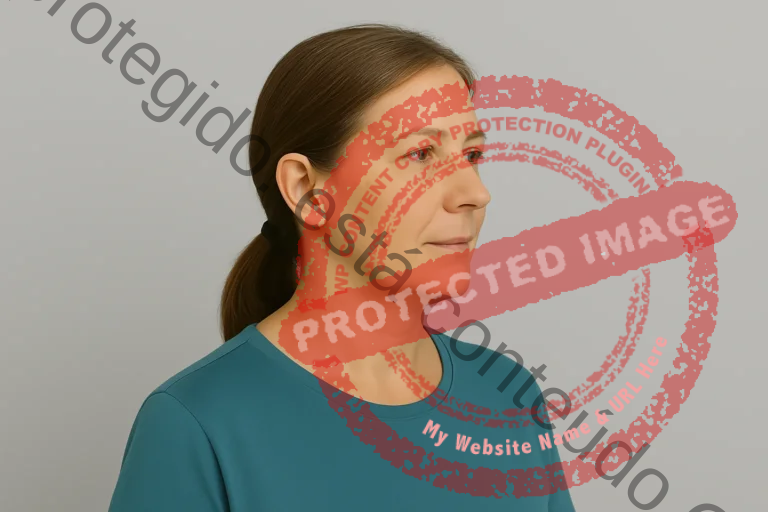


Facial paralysis is a neurological condition that can significantly affect quality of life. It often results from a dysfunction of the facial nerve (VII cranial nerve) and can be manifested by weakness or paralysis on one side of the face, difficulty closing the eyelid, altered smiling and limited facial motor control.
In addition to specialised physiotherapy, there are complementary measures that can support neuromuscular recovery and help manage symptoms on a daily basis. In this article we share six practical guidelines, based on current clinical principles, that can contribute to a more integrative approach to facial paralysis.
Progress varies depending on factors such as initial severity, age, early initiation of medication and adherence to specialised physiotherapy.
1. Strictly comply with the prescribed medication
One of the initial pillars of the medical approach to facial paralysis is correct adherence to the prescribed medication. In certain clinical contexts, corticosteroids may be indicated in order to reduce the inflammatory process and support facial nerve function.
It is essential to respect the dosage and duration indicated by the treating doctor. No changes should be made to the dose on your own initiative. In the event of any doubts or adverse effects, direct contact with the health professional in charge is recommended.
2. Follow the ophthalmologist's guidelines for eye protection
When eyelid closure is compromised, the surface of the eye is vulnerable to dryness, irritation and corneal damage. Protecting the affected eye therefore takes centre stage.
Depending on the ophthalmological assessment, eye drops or lubricating ointments without preservatives, nocturnal occlusion or other specific measures may be recommended depending on the severity of the condition.
Compliance with these guidelines reduces the risk of complications and contributes to greater visual comfort.
3. Reduce prolonged exposure to screens
Excessive use of electronic devices can aggravate visual fatigue and dry eyes, symptoms that are already common in people with facial paralysis.
Whenever possible, it is advisable to limit continuous time in front of screens, take regular breaks and consider using blue light filters. These simple strategies can alleviate discomfort and reduce visual overload.
4. Protect your eyes outdoors
Sensitivity to sunlight tends to be greater when there is difficulty closing the eye. Direct exposure to the sun can increase irritation of the ocular surface.
Wearing sunglasses with UV protection and a wide-brimmed hat helps reduce the discomfort caused by sunlight and protects the eye, especially on bright or windy days.
5. Avoid inappropriate practices for the facial muscles
There are often publicised interventions that are not recommended for facial paralysis and can negatively interfere with neuromuscular reorganisation.
These include electro-stimulation, applying ice, intense exercises in front of the mirror, unguided facial mimicry exercises, blowing straws or inflating balloons and chewing gum.
These practices tend to reinforce inadequate movement patterns, favour muscle compensations and increase the risk of synkinesis. Facial re-education should always be guided by professionals with specific training in this area.
6. Maintain a calm demeanour and take care of your emotional well-being
Facial paralysis can have a significant emotional impact. Anxiety and stress persistent can amplify the perception of symptoms and make the adaptation process more difficult.
Strategies such as relaxation techniques, meditation, appropriate physical activity or psychological support can be useful for promoting emotional balance. The support of family and friends also plays an important role throughout this journey.
Adequate hydration and a diet rich in fresh foods, antioxidants and essential fatty acids contribute to a favourable metabolic environment for neurological recovery.
Understanding facial paralysis from an integrative perspective
Complementing specialised physiotherapy with informed self-care measures can support functional recovery and improve the daily experience of facial paralysis. Adherence to medication, eye protection, management of visual exposure, avoidance of inappropriate practices and attention to emotional well-being are all relevant components of an integrated approach.
Evolution is variable over time, and it is important to keep up with regular assessments, even after initial improvement.
The appearance of persistent pain, worsening asymmetry, facial spasms or visual changes should prompt clinical reassessment, as this may indicate the need to adjust the approach.
Each clinical situation has its own characteristics, which is why it is essential to maintain regular monitoring and follow the individualised guidelines of the health professionals involved.
At Integrativa, the Facial Paralysis Specialized Physiotherapy are based on a rigorous clinical assessment of mobility, symmetry, muscle strength, coordination, compensatory patterns and functional impact (speech, chewing, swallowing and emotional expression), allowing each case to be understood on an individual basis. Based on this detailed analysis, a progressive physiotherapy intervention plan is defined, guided by clear clinical objectives, adjusted to each person's needs and the different stages of recovery, promoting effective and sustained functional improvement.
Alexandra Gomes | Physiotherapist specialising in the treatment and recovery of Facial Paralysis
member of the Facial Therapy Specialists International (FTSI)
Physiotherapist Card: 1459 | Order of Physiotherapists
Integrativa | Health and well-being as a lifestyle
This website and its content are for information purposes only and are not a substitute for medical or health professional advice. In all cases, treatments should be individualised and guided by health professionals. Do not make any changes to your treatment without contacting the doctor or health professional accompanying you.
Blog Articles