

Incorporating more physical activity into everyday life doesn't require radical changes or complex routines. Small adjustments to everyday life can have a significant impact on physical health, emotional balance and the body's ability to adapt. Regular movement contributes not only to physical fitness, but also to the regulation of the nervous system, to the management of stress and to the body's immune system. stress and general well-being.
A few simple strategies can help you incorporate more movement on a consistent basis:
- Choose activities you enjoy: Walking, swimming, clinical Pilates, cycling or dancing are all examples of accessible activities. When movement is pleasurable, it becomes easier to maintain over time.
- Seizing opportunities in everyday life: Whenever possible, walk instead of using the car, take the stairs instead of the lift or get off one stop earlier on public transport. These small gestures add up to movement throughout the day.
- Take regular breaks: Avoiding long periods of sitting is essential. Short breaks to walk, stretch or simply change position help to reduce body tension and improve circulation.
- Practising physical activity in a group: Activities with family or friends promote not only movement, but also socialising and emotional well-being, boosting motivation and regularity.
- Plan the week: Making time in your diary for physical activity increases the likelihood that you'll stick to it. Seeing these moments as commitments to yourself can make all the difference.
- Walking at lunchtime: A 20 to 30 minute walk during your lunch break can help release tension, improve concentration and boost energy for the rest of the day.
- Use digital platforms consciously: Training apps and videos can be useful for keeping you moving at home, especially on busy days or when you can't get out.
- Reducing screen time, especially for young people: Encouraging activities such as walking, running, swimming or playing outdoors contributes to physical health and supports social and emotional development.
An integrative perspective of the movement
In Integrative Osteopathy, movement is assessed in conjunction with other lifestyle habits, such as sleep, behaviour, etc. stress, nutrition and posture. In Clinical Psychoneuroimmunology, movement is understood as a biological stimulus that influences the nervous, immune and endocrine systems in an integrated way.
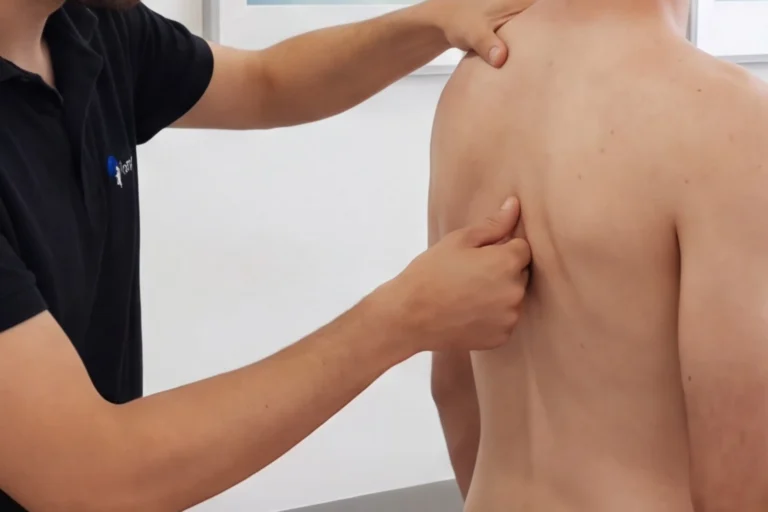
Osteopathic assessment not only focuses on physical exercise, but also on the way the body moves throughout the day. Aspects such as the quality of movement, the presence of mobility restrictions, persistent tension patterns or functional limitations that may interfere with the body's ability to adapt are considered. Clinical psychoneuroimmunology makes it possible to frame the stimulus of physical activity within the individual metabolic, energetic and adaptive context.
Integrating more physical activity into everyday life doesn't require radical changes. Small adjustments, introduced progressively and consistently, can contribute to more stable energy levels, better management of stress and a more functional relationship with their own body.
Understanding movement as part of global health makes it possible to recognise it as an accessible, adjustable and sustainable resource over time, respecting the needs and context of each person.
Investing in movement is investing in long-term health. Simple changes, when maintained regularly, can translate into a better mood, improved physical and mental balance and a greater ability to adapt to the demands of everyday life.
Getting started is simple: integrate more movement into your daily life and allow your body to regain its active nature.
David Brandão | Osteopath and Physiotherapist
Specialised in Clinical Psychoneuroimmunology
Physiotherapist Card: 3652 | Order of Physiotherapists // Osteopath Card: C-0031697 | ACSS
Integrativa | Health and well-being as a lifestyle
This website and its content are for information purposes only and are not a substitute for medical or health professional advice. Each person's treatment should be individualised and guided by health professionals. Do not make any changes to your treatment without contacting the doctor or health professional accompanying you.
Related articles