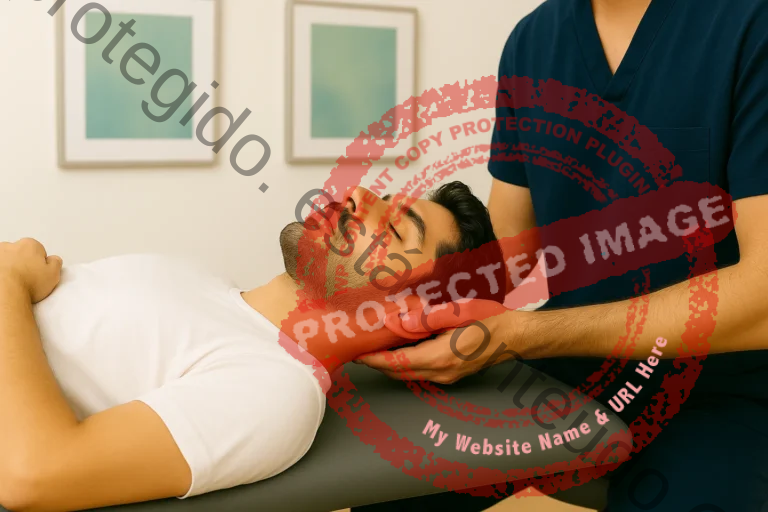


Cranial Osteopathy is a gentle therapeutic approach that focuses on the manipulation of cranial structures and the craniosacral system, with the aim of improving the functioning of the central nervous system. This technique can influence the function of the Vagus Nerve, the largest nerve of the autonomic nervous system, which plays a fundamental role in regulating vital functions such as digestion, heart rate, breathing, and emotional balance. When the Vagus Nerve is adequately stimulated, it can contribute to promoting a state of relaxation and recovery, essential for the body's balance (Breit et al., 2018; Karemaker, 2022).
In this article, we explore how Cranial Osteopathy can influence Vagus Nerve function, promoting physiological balance and thus aiding in the maintenance of overall well-being.
What is the vagus nerve?
The Vagus Nerve, the tenth cranial nerve, travels a long pathway from the brain to the abdomen, passing through essential organs such as the heart, lungs, and digestive system (Yuan & Silberstein, 2016). This nerve is responsible for several vital automatic functions, including the regulation of heart rate, the promotion of efficient digestion, and the modulation of the response to stress (Garamendi-Ruíz & Gómez-Esteban, 2019).
The Vagus Nerve is the main conductor of the parasympathetic nervous system, which has the primary function of promoting the “rest and digest” state in the body. Its activation can help the body recover after periods of stress, reduce heart rate, promote more efficient digestion, and favour the immune response (Breit et al., 2018; Karemaker, 2022). Appropriate stimulation of the Vagus Nerve is essential for restoring the balance between the sympathetic and parasympathetic systems, which can facilitate a state of relaxation (Yokota et al., 2022).
Cranial Osteopathy and the Vagus Nerve
Cranial Osteopathy focuses on the gentle manipulation of cranial structures, including the skull bones, the meningeal membranes, and the cerebrospinal fluid. The basis of this practice stems from the principle that the subtle movement and balance of these structures directly influence the functioning of the central nervous system (Barsotti et al., 2023; Jäkel & Von Hauenschild, 2011).
The Vagus Nerve emerges from the base of the skull and passes through a small opening, called the jugular foramen, located between the temporal and occipital bones. This region is crucial for the Vagus Nerve's function, as it is where the nerve connects to internal organs (Yuan & Silberstein, 2016). Any tension or restriction in the structures around this area can impair the function of the Vagus Nerve, resulting in symptoms such as digestive disorders, breathing difficulties, or symptoms related to increased anxiety and stress (Breit et al., 2018; Garamendi-Ruíz & Gómez-Esteban, 2019).
Cranial Osteopathy acts specifically in this region, using tension-release techniques to enhance the movement of cranial structures. This can relieve pressure on the Vagus Nerve, optimising its function and facilitating the activation of the parasympathetic system, which can promote a state of relaxation in the body (Blumer, 2021; Abenavoli et al., 2020).
Cranial Osteopathy and its Influence on the Vagus Nerve The vagus nerve, also known as the tenth cranial nerve, is the longest and most complex of the cranial nerves. It plays a crucial role in the parasympathetic nervous system, which controls involuntary bodily functions such as heart rate, digestion, and immune response. Cranial osteopathy is a gentle, hands-on therapy that focuses on the subtle movements of the bones in the skull, spine, and pelvis. Osteopaths use their hands to detect and correct restrictions in the body's tissues, including those surrounding the vagus nerve. How Cranial Osteopathy Influences the Vagus Nerve: 1. **Direct Influence on the Cranial Base:** The vagus nerve exits the skull through the jugular foramen, a small opening at the base of the skull. Cranial osteopaths treat the structures around the jugular foramen, aiming to release any tension or compression that may be affecting the vagus nerve's function. By improving the mobility and alignment of the cranial base, they can optimize the nerve's pathway. 2. **Indirect Influence Through the Nervous System:** The vagus nerve is intricately connected to the central nervous system and other cranial nerves. Cranial osteopathic techniques can influence the overall tone and balance of the nervous system, which in turn can affect the vagus nerve's activity. Gentle manipulation of the cranial vault and surrounding tissues can help to reduce stress responses and promote a state of relaxation, thereby enhancing parasympathetic activity. 3. **Improved Circulation:** The cranial osteopath may work on structures that influence blood flow to the brain and cranial nerves. Improved circulation can ensure that the vagus nerve receives adequate oxygen and nutrients, supporting its optimal function. 4. **Reduction of Fascial Restrictions:** Fascia is a connective tissue that surrounds and supports all organs, muscles, and nerves, including the vagus nerve. Restrictions in the fascia can impede nerve function. Cranial osteopathy aims to release these fascial restrictions throughout the head, neck, and upper spine, which can free up the vagus nerve and allow it to transmit signals more effectively. 5. **Impact on Visceral Function:** The vagus nerve has extensive connections to organs in the chest and abdomen, influencing digestion, heart rhythm, and respiratory function. By addressing restrictions that may be affecting the vagus nerve's journey from the skull down to these organs, cranial osteopathy can indirectly improve the function of these visceral systems. For instance, improving mobility in the thoracic cage or abdominal diaphragm could positively impact vagal tone. 6. **Stress and Tension Relief:** Stress and tension, particularly in the neck and shoulders, can compress or irritate the vagus nerve. Cranial osteopathy's holistic approach aims to release overall body tension, which can significantly alleviate pressure on the vagus nerve and promote its proper functioning. **In summary,** cranial osteopathy can influence the vagus nerve through direct manipulation of the cranial base and surrounding tissues, indirect effects on the nervous system's balance, improved circulation, release of fascial restrictions, and by positively impacting the communication between the brain and the organs innervated by the vagus nerve. This can contribute to improved autonomic nervous system regulation, leading to benefits in areas such as digestion, heart rate variability, stress management, and overall well-being.
Cranial Osteopathy uses gentle manipulations to improve the mobility of the cranial bones, meningeal membranes, and cerebrospinal fluid. These manipulations help to restore proper movement of the sacrocranial system, positively impacting the functioning of the Vagus Nerve and stimulating its activity (Barsotti et al., 2023; Keller et al., 2025). The main effects include:
- Release of tension at the base of the skull The Vagus Nerve emerges from the base of the skull, and any tension in the surrounding structures, such as the temporal and occipital bones, can interfere with communication between the brain and internal organs. Cranial Osteopathy can help release these tensions, facilitating the Vagus Nerve's movement and allowing it to act more effectively (Mardini et al., 2019; Blumer, 2021).
- Cranio-sacral rhythm enhancement: Cranial Osteopathy also works to balance the sacrocranial rhythm, which involves the movement of cerebrospinal fluid and the meningeal membranes. This movement is directly related to the functioning of the central nervous system, and its regulation can promote communication between the brain and the body, facilitating the function of the Vagus Nerve (Barsotti et al., 2023; Keller et al., 2025).
- Cranial dynamics optimisation: When cranial structures, such as bones and fascia, are restricted, the circulation of cerebrospinal fluid and nerve communication can be impaired. Cranial Osteopathy can act to improve the mobility of these structures, allowing the Vagus Nerve and other cranial nerves to function more efficiently (Jäkel & Von Hauenschild, 2011; Amendolara et al., 2024).
Benefits of Cranial Osteopathy for the Vagus Nerve
Cranial Osteopathy can contribute to the regulation of the Vagus Nerve, promoting its proper functioning and aiding in the maintenance of physiological balance. The technique works by releasing tensions and restrictions in the anatomical structures that influence the Vagus Nerve, especially in the fascia and muscles around the base of the skull, where the vagus nerve emerges (Abenavoli et al., 2020; Barsotti et al., 2023). By optimising mobility in these areas, Osteopathy can improve neurovisceral communication, promoting greater efficiency in the activation of the parasympathetic system (Blumer, 2021).
The release of tension in cranial structures can contribute to more efficient Vagus Nerve function, promoting a balance between the sympathetic and parasympathetic systems. This can have positive effects on the functioning of the digestive system, facilitating the secretion of gastric juices and digestive enzymes, processes that are essential for efficient digestion (Breit et al., 2018; Rajiah et al., 2022).
Additionally, Cranial Osteopathy can promote the balance of the autonomic nervous system, helping to regulate sleep patterns and contributing to a state of relaxation. By optimising the function of the Vagus Nerve, this approach can help improve the body's physiological balance, promoting more efficient regulation of heart rate and assisting in the management of stress (Blumer, 2021; Garamendi-Ruíz & Gómez-Esteban, 2019).
Understanding Integrative Osteopathy and the Vagus Nerve from an Integrative Perspective
Cranial Osteopathy is a safe and effective therapeutic approach that can have a significant impact on general health, particularly on Vagus Nerve function (Amendolara et al., 2024; Dickerson et al., 2022). By improving the mobility of cranial structures and the communication between the brain and internal organs, Cranial Osteopathy can promote autonomic nervous system balance, stimulating the parasympathetic system and favouring relaxation (Barsotti et al., 2023; Keller et al., 2025). With optimised Vagus Nerve function, the body can recover more effectively, promoting overall well-being and restoring harmony between body and mind (Breit et al., 2018; Yuan & Silberstein, 2016).
The vagus nerve is just one of the many systems that osteopathy can help balance.
In an Integrative Osteopathy consultation, we work on the connection between the body, the nervous system, and natural self-regulation. More than just a physical intervention, Osteopathy is a holistic approach that aims to stimulate the body to achieve its natural balance. Our approach is complemented by Clinical Psychoneuroimmunology. This model allows us to consider factors such as sleep, physical exercise, a balanced diet, and regulation of stress and the use of relaxation strategies.
Book an Integrative Osteopathy assessment and discover, in a personalised and careful way, how this integrative approach can help with your case.
David Brandão | Osteopath and Physiotherapist
Specialising in Cranio-Visceral Osteopathy and Clinical Psychoneuroimmunology
Physiotherapist Card: 3652 | Order of Physiotherapists // Osteopath Card: C-0031697 | ACSS
Reference articles
- Breit, S., Kupferberg, A., Rogler, G., & Hasler, G. (2018). Vagus nerve as modulator of the brain–gut axis in psychiatric and inflammatory disorders. Frontiers in Psychiatry, 9, 44. https://doi.org/10.3389/fpsyt.2018.00044
- Jäkel, A., & Von Hauenschild, P. (2011). Therapeutic effects of cranial osteopathic manipulative medicine: A systematic review. Journal of the American Osteopathic Association, 111(12), 685–693. https://doi.org/10.7556/jaoa.2011.111.12.685
- Ha, S., Choi, S., Jung, Y., Lee, S., & Park, W. (2025). Effects of tcVNS and multimodal stimulation on heart rate variability and stress regulation. https://doi.org/10.1101/2025.06.22.25329895
- Blumer, J. (2021). Effect of autonomic nervous system recovery from sympathetic challenge using osteopathic cranial manipulative medicine – A pilot study. Osteopathic Manipulative Medicine, 31(1), 33–43. https://doi.org/10.53702/2375-5717-31.1.33
- Ehrens, D., Jacobs, K., Thawornbut, I., Stewart, A., Paul, A., & Berent, J. (2024). A novel earable platform for vagal activation monitoring during transcutaneous auricular vagal nerve stimulation using heart rate variability analysis. Companion of the 2024 ACM International Joint Conference on Pervasive and Ubiquitous Computing, 661–666. https://doi.org/10.1145/3675094.3680522
- Ma, S.-N., Liu, X., & Cai, W. (2024). Preventive noninvasive vagal nerve stimulation reduces insufficient sleep-induced depression by improving the autonomic nervous system. Biomedicine & Pharmacotherapy, 173, 116344. https://doi.org/10.1016/j.biopha.2024.116344
- Barsotti, N., Casini, A., Chiera, M., Lunghi, C., & Fornari, M. (2023). Neurophysiology, neuro-immune interactions, and mechanobiology in osteopathy in the cranial field: An evidence-informed perspective for a scientific rationale. Healthcare, 11(23), 3058. https://doi.org/10.3390/healthcare11233058
- Yuan, H., & Silberstein, S. (2016). Vagus nerve and vagus nerve stimulation, a comprehensive review: Part I. Headache: The Journal of Head and Face Pain, 56(10), 1701–1710. https://doi.org/10.1111/head.12647
- Mardini, D., Peña, N., Talsma, J., & Pierce-Talsma, S. (2019). Osteopathic cranial manipulative medicine: Frontal and parietal lift techniques. Journal of Osteopathic Medicine, 119(12), e44–e45. https://doi.org/10.7556/jaoa.2019.139
- Genç, F., Korucuk, M., & Tokuç, F. (2025). The effect of vagal nerve stimulation treatment on autonomic nervous system in patients with refractory epilepsy. *Frontiers in Neurology*, *16*, 51. https://doi.org/10.3389/fneur.2025.1566497
- Keller, M., Perlitz, V., Pelz, H., Borik, S., Repik, I., Geilgens, A., Çotuk, B., Müller, G., Mathiak, K., & Mayer, J. (2025). Specificity of cranial cutaneous manipulations in modulating autonomic nervous system responses and physiological oscillations: A controlled study. PLOS One, 20(6), e0317300. https://doi.org/10.1371/journal.pone.0317300
- Karemaker, J. (2022). The multibranched nerve: Vagal function beyond heart rate variability. Biological Psychology, 172, 108378. https://doi.org/10.1016/j.biopsycho.2022.108378
- Amendolara, A., Sheppert, A., Powers, R., Payne, A., Stacey, S., & Sant, D. (2024). Effectiveness of osteopathic craniosacral techniques: A meta-analysis. *Frontiers in Medicine*, 11, 1452465. https://doi.org/10.3389/fmed.2024.1452465
- Rajiah, R., Takahashi, K., Aziz, Q., & Ruffle, J. (2022). Brain effect of transcutaneous vagal nerve stimulation: A meta‐analysis of neuroimaging evidence. Neurogastroenterology & Motility, 36(7), e14484. https://doi.org/10.1111/nmo.14484
- Abenavoli, A., Badi, F., Barbieri, M., Bianchi, M., Biglione, G., Dealessi, C., Grandini, M., Lavazza, C., Mapelli, L., Milano, V., Monti, L., Seppia, S., Tresoldi, M., & Maggiani, A. (2020). Cranial osteopathic treatment and stress-related effects on autonomic nervous system measured by salivary markers: A pilot study. *Journal of Bodywork and Movement Therapies*, *24*(4), 215–221. https://doi.org/10.1016/j.jbmt.2020.07.017
- Yokota, H., Edama, M., Hirabayashi, R., Sekine, C., Otsuru, N., Saito, K., Kojima, S., Miyaguchi, S., & Onishi, H. (2022). Effects of stimulus frequency, intensity, and sex on the autonomic response to transcutaneous vagus nerve stimulation. *Brain Sciences*, *12*(8), 1038. https://doi.org/10.3390/brainsci12081038
- Tobey, H., Lucas, T., Bledsoe, D., Mykins, M., Campbell, C., Berr, S., Sasser, T., Helm, R., Brolinson, P., Klein, B., & Costa, B. (2019). Effect of osteopathic cranial manipulative medicine on an aged rat model of Alzheimer disease. Journal of Osteopathic Medicine, 119(9), 712–723. https://doi.org/10.7556/jaoa.2019.121
- Garamendi-Ruíz, I., & Gómez-Esteban, J. (2019). Cardiovascular autonomic effects of vagus nerve stimulation. Clinical Autonomic Research, 29(4), 183–194. https://doi.org/10.1007/s10286-017-0477-8
- Dickerson, M., Murphy, S., Hyppolite, N., Brolinson, P., & VandeVord, P. (2022). Osteopathy in the cranial field as a method to enhance brain injury recovery: A preliminary study. Neurotrauma Reports, 3, 456–472. https://doi.org/10.1089/neur.2022.0039
Integrativa | Health and well-being as a lifestyle
This website and its content are for information purposes only and are not a substitute for medical or health professional advice. Each person's treatment should be individualised and guided by health professionals. Do not make any changes to your treatment without contacting the doctor or health professional accompanying you.
Related articles