

Hormonal health has a profound impact on a woman's life - from mood, sleep and appetite to fertility, metabolism and daily mood. Each phase of a woman's life brings natural hormonal changes, and physical exercise proves to be a powerful tool for promoting this balance.
But for many women, pain, discomfort or physical limitations can make it difficult to maintain a regular exercise routine. This is where physiotherapy plays an essential role: helping to eliminate barriers to movement and ensuring that exercise is carried out safely and effectively.
In this article, we talk about how physical exercise contributes to women's hormonal health, how it should be adjusted throughout the menstrual cycle and how physiotherapy can support this process.
How does exercise influence hormonal health?
A woman's body responds to exercise by producing and regulating several important hormones, such as:
- Oestrogen and progesterone - fundamental to the menstrual cycle, fertility and bone health. Moderate exercise helps regulate these levels, relieving symptoms such as mood swings, menstrual cramps and irregular cycles.
- Insulin - essential in glucose metabolism. Training helps improve insulin sensitivity, preventing problems such as polycystic ovary syndrome (PCOS).
- Cortisol - the “stress hormone”. Practices such as walking, yoga or light exercise help to reduce it, improving stress management and sleep.
- Serotonin, dopamine and endorphins - promote emotional well-being, reducing anxiety, mental fatigue and irritability.
Adapting exercise to the menstrual cycle
The female hormonal cycle directly influences energy, focus and recovery capacity. Knowing how to adapt the type and intensity of exercise to each phase can make all the difference:
- Follicular phase (post-menstruation)for increased energy and motivation. Great for intense or strength training.
- Ovulation: peak oestrogen. Ideal for physical challenges and performance.
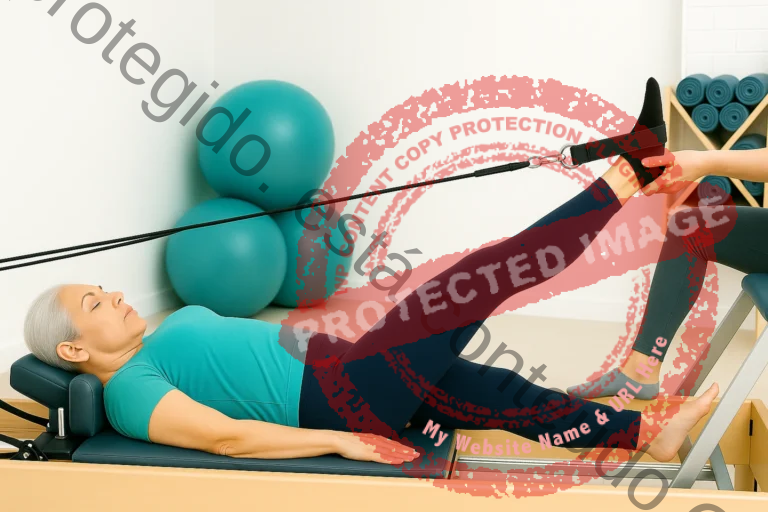
- Luteal phase (pre-menstruation)Possible feeling of swelling, increased fatigue. Gentle workouts such as pilates, stretching or walking are more suitable.
- MenstruationThe body can ask for rest, but it can also benefit from light movement. The important thing is to listen to yourself.
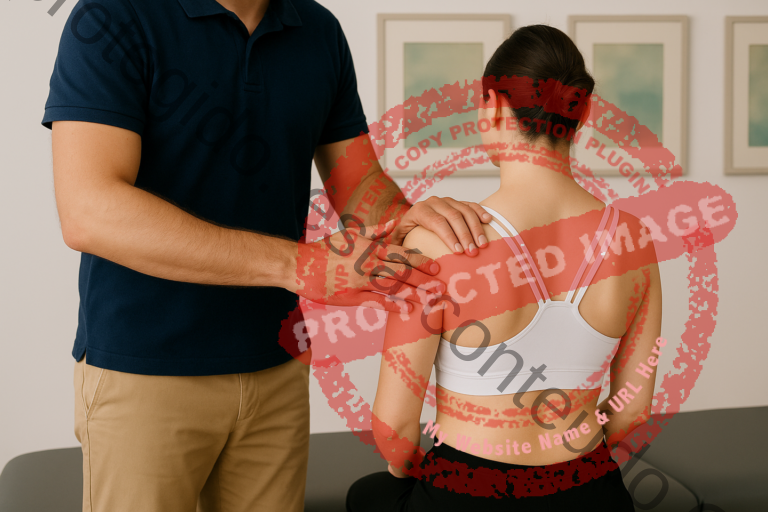
Physiotherapy: Movement without pain
When there is pain, stiffness or discomfort, many women end up avoiding exercise - which can aggravate the hormonal imbalance. Physiotherapy is a fundamental ally in these cases.
At Integrativa, we analyse each case individually, taking into account the clinical history, hormonal changes and physical symptoms that may be limiting the woman's well-being.
With the support of physiotherapy, it is possible:
- Recover mobility and reduce pain;
- Correcting postural and muscular imbalances;
- Adapt exercise to your body's needs;
- Promoting safe, consistent and beneficial practice.
Benefits of exercise for women's hormonal health
When practised in an appropriate manner, regular exercise can..:
- Reduce PMS and menopause symptoms;
- Improve mood, sleep quality and energy;
- Helps regulate the menstrual cycle;
- Support body weight balance;
- Increase confidence and general well-being
- Optimising fertility.
Movement is Health. Health is Movement
Regular physical exercise is one of the most effective and natural ways of promoting female hormonal balance. However, it must be done consciously, respecting the body's rhythms and adapting to its needs.
If you feel pain, discomfort or simply don't know where to start, physiotherapy can help. At Integrativa, we work with an integrative approach, promoting the well-being of women at all stages of their lives.
Want to know more about how to regain movement and balance your hormonal health? Talk to us and book an individual assessment.
Alexandra Gomes | Physiotherapist
Integrativa | Health and well-being as a lifestyle
This website and its content are for information purposes only and are not a substitute for medical or health professional advice. Each person's treatment should be individualised and guided by health professionals. Do not make any changes to your treatment without contacting the doctor or health professional accompanying you.
Related articles