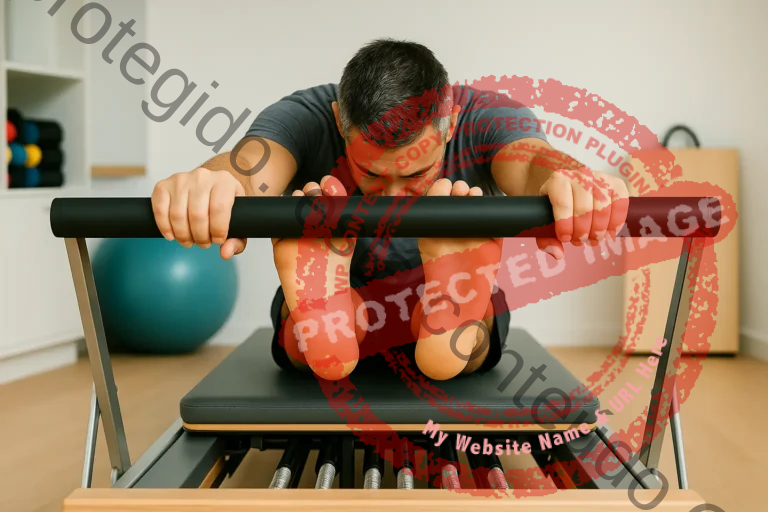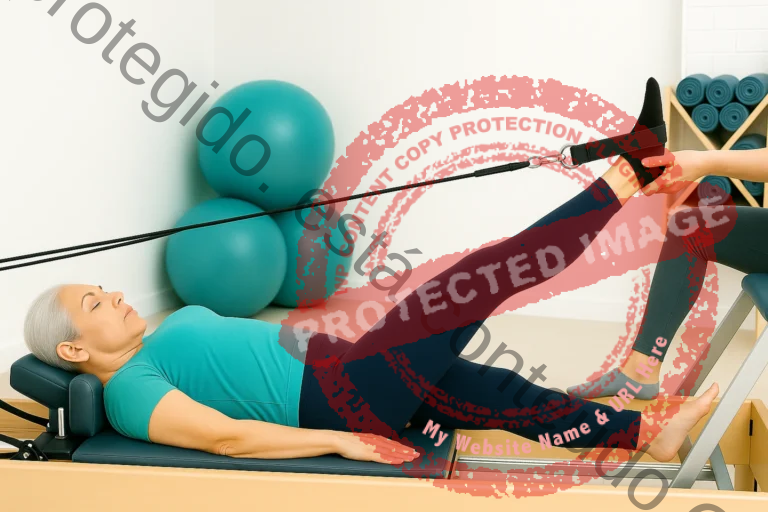


The Reformer is one of the most well-known Pilates equipment. At first glance, it looks like a complex machine, but its logic is simple: a car that slides over a structure and a spring system that can help or challenge the movement.
When used by physiotherapists trained in Clinical Pilates, the Reformer becomes a rehabilitation and prevention tool, adapted to the individual's condition.
What is the Reformer
The Reformer consists of a mobile platform, the car, which slides on rails. The car is connected to springs with different resistances, which can be adjusted for each exercise.
It also includes a footrest bar, hand or foot straps, and shoulder supports. This combination allows you to perform exercises lying down, sitting, on your knees, or standing.
What distinguishes the Clinical Pilates Reformer
In the Clinical Reformer Pilates, the sessions are guided by physiotherapists with specific training. In Integrative Pilates, the method of the APPI, the Australian Physiotherapy & Pilates Institute, adapts the Pilates exercises to the context of rehabilitation.
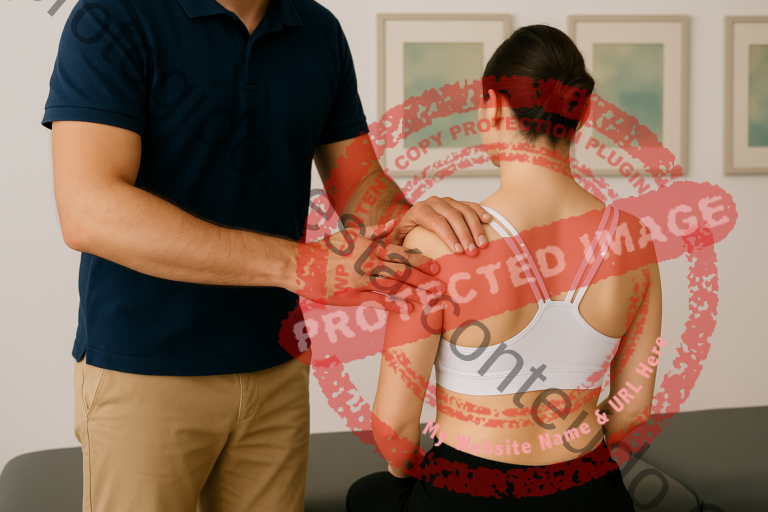
The big difference lies in the starting point. Before starting, the physiotherapist assesses each person's posture, mobility, strength, and medical history. Based on this assessment, he or she chooses the exercises, position, number of springs, and range of motion that are most appropriate for the stage the person is in.
Advantages of the Reformer in rehabilitation
Springs can help or challenge
Reformer springs can provide both resistance and assistance to the movement. In a phase of pain or recovery, they can facilitate a movement that would be difficult to perform without support. Later on, they can be adjusted to gradually increase the demand.
Less strain on the joints
Many exercises are performed lying down, with the body supported. This allows you to work on strength and movement control with less strain on the spine, hips and knees, which can be useful in the early stages of rehabilitation.
More feedback on the movement
The moving car and the resistance of the springs give a clear sense of how the body is moving. It becomes easier to notice asymmetries or compensations, and the physiotherapist can correct them during the exercise.
A gradual progression
Small changes in the springs, in the position or in the range of motion allow the requirement to be increased step by step. This progression accompanies recovery, from the pain phase to returning to daily activities or sports.
A global work
Using the same equipment, you can work on the core, upper and lower limbs, spinal mobility, and balance. The body is worked on as a whole, not just the area where pain arises.
For whom it may be indicated
The Clinical Pilates Reformer can be indicated in different situations, always after an evaluation:
- lower back or cervical pain;
- disc herniation or sciatica, outside the acute phase;
- recovery from injuries in the shoulder, hip, knee, or ankle;
- final phase of rehabilitation after surgery, with medical indication;
- Pregnancy and post-partum;
- athletes seeking to improve stability, mobility and strength;
- people without injury who want to practice Pilates with technical guidance.
Reformer or Pilates on the ground?
It’s not a matter of choosing one over the other. Pilates on the floor and the Reformer complement each other.
The Reformer can facilitate the first movements in those who have pain or limited strength thanks to the support of the springs and the car. The terrain requires more control over the body’s own weight and prepares for everyday gestures. The choice, and the combination of both, is made by the physiotherapist based on the assessment and the goals of each person.
How is the first session?
The first session begins with an assessment: a conversation about the history, complaints, and goals, followed by observation of posture and movement.
Then, the physiotherapist presents the Reformer and performs the first exercises, simple and adapted to the person's condition. No previous experience in Pilates is required.
The Clinical Pilates Reformer from an integrative perspective
Pain rarely depends on a single factor. The way a person moves, their strength, rest, stress, and daily habits all influence recovery.
In Integrative Medicine, the Clinical Pilates Reformer is guided by physiotherapists trained in the APPI method and is integrated with Physiotherapy and Osteopathy, providing individualized follow-up.
Scheduling an evaluation can be the first step towards practicing Pilates in a way that is tailored to the needs of each individual. Contact us.
Frequently Asked Questions about the Clinical Pilates Reformer
Do you need to have experience in Pilates?
No. The exercises are adapted to each person's level, and the physiotherapist monitors all movements from the first session onwards.
Can someone with low back pain or a herniated disc do Reformer?
In many cases, yes, outside of the acute phase and after an evaluation. The exercises, pulleys, and positions are chosen based on the injury and how the person responds.
How many times a week should you practice?
It depends on the goals and the stage the person is at. Many people start with one to two sessions per week, adjusted over time with the physiotherapist.
Is a medical prescription required?
Usually not. The initial evaluation is performed by the physiotherapist. After surgery or in specific clinical situations, medical referral may be necessary.
This website and its content have an exclusively informational purpose and do not replace medical or healthcare advice.
David Brandão | Osteopath, Physiotherapist and Clinical Pilates Instructor
Physiotherapist Card: 3652 | Order of Physiotherapists // Osteopath Card: C-0031697 | ACSS
Integrativa | Health and well-being as a lifestyle
This website and its content are for information purposes only and are not a substitute for medical or health professional advice. Each person's treatment should be individualised and guided by health professionals. Do not make any changes to your treatment without contacting the doctor or health professional accompanying you.
Related articles