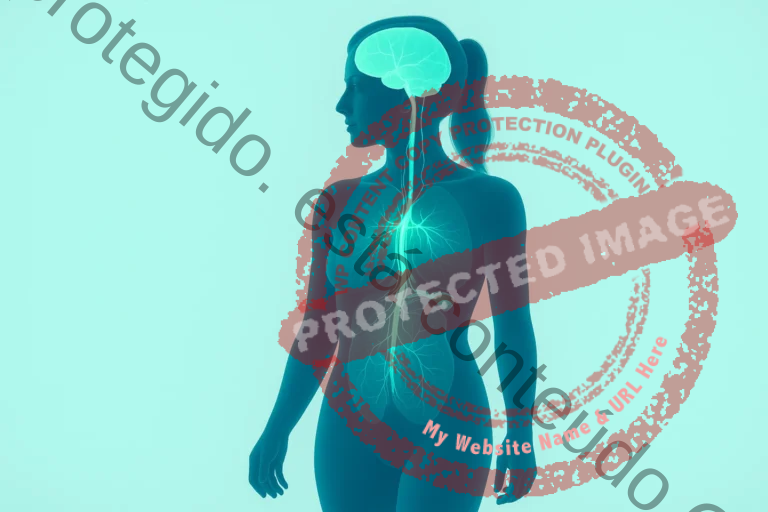
The vagus nerve is one of the body's main regulators. When its function is altered, symptoms such as anxiety, digestive problems, fatigue, or difficulty coping with stress can arise.
The human body functions through a constant interaction between different physiological systems, with the aim of maintaining internal balance (homeostasis). In this context, the vagus nerve, also known as the pneumogastric nerve, plays a fundamental role in communication between the brain and organs such as the heart, lungs, and intestines.
Integrated into the autonomic nervous system, the vagus nerve regulates essential involuntary functions such as heart rate, digestion, breathing, and the stress response (Porges, 2007). Despite its importance, it continues to be frequently undervalued in approaches to health and well-being.
In this article, we explain what the vagus nerve is, its main functions, the signs of dysfunction, and how osteopathy can contribute to its regulation from an integrative perspective.
What is the vagus nerve?
The vagus nerve is one of the main nerves of the autonomic nervous system, responsible for regulating functions such as digestion, heart rate, and stress response.
The vagus nerve is the tenth of the twelve cranial nerves, originating in the brainstem (an area of the brain responsible for vital functions) and running to a vast network of organs, such as the heart, lungs, stomach, intestines, and throat. The vagus nerve is the longest nerve in the autonomic nervous system, which regulates involuntary bodily functions, such as digestion, heart rate, breathing, and the response to stress (Thayer & Lane, 2000).
This nerve divides into two main branches: the right vagus nerve and the left vagus nerve, which follow the right and left sides of the body, respectively. The vagus nerve is a fundamental component of the parasympathetic nervous system, which regulates “rest and digest” processes, in contrast to the sympathetic nervous system, which prepares the body for “fight or flight” situations (Porges, 2007).
Functions of the Vagus Nerve
The vagus nerve has several essential functions for maintaining the internal balance of the body (homeostasis). The main functions attributed to the vagus nerve include:
Heart rhythm regulationThe vagus nerve exerts fundamental control over heart rate, helping to decrease it when necessary. This facilitates the body's recovery during rest. This effect is mediated by the activation of the parasympathetic system, which reduces the activity of the sinoatrial node (responsible for generating the heart rhythm) (Thayer & Lane, 2000).
Management of digestive functionThe vagus nerve plays a role in regulating gastrointestinal function, stimulating the secretion of gastric juices and facilitating the peristaltic movements (intestinal movements) necessary for digestion. Activation of the vagus nerve results in accelerated intestinal movements and coordination between the processes of digestion and nutrient absorption. Furthermore, the vagus nerve modulates the gut microbiota (the collection of microorganisms present in the intestine), influencing communication between the gut and the central nervous system (Kox et al., 2014).
Replying to stress: The vagus nerve regulates the response to stress, being one of the main pathways responsible for inhibiting the “fight or flight” response, mediated by the sympathetic nervous system. By activating the parasympathetic system, the vagus nerve promotes a state of relaxation, essential for the body's recovery after exposure to situations of stress acute or chronic (Porges, 2007).
Brain-gut communicationThe vagus nerve establishes a bidirectional communication pathway between the brain and the gut, known as the “gut-brain axis”. Through this pathway, the vagus nerve influences both gastrointestinal function and mental health. Scientific literature has shown that alterations in vagus nerve function can affect the gut microbiota, with significant repercussions on mental health, particularly in conditions such as anxiety and depression (Vaschillo & Vaschillo, 2006; Pavlov & Tracey, 2005).
Modulation of inflammationThe vagus nerve plays a fundamental role in modulating the inflammatory response, which is essential for maintaining homeostasis. Stimulation of the vagus nerve can reduce the production of pro-inflammatory cytokines (substances that promote inflammation), such as TNF-α, IL-1β, and IL-6, which are frequently associated with chronic inflammatory processes. This anti-inflammatory capacity of the vagus nerve is one of the mechanisms by which it contributes to the prevention of autoimmune diseases and the promotion of recovery in inflammatory processes (Pavlov & Tracey, 2005).
Signs of Vagus Nerve Dysfunction
When the vagus nerve exhibits decreased or dysregulated functional activity, the body's ability to maintain internal balance can be compromised. This alteration can manifest through various signs and symptoms, which reflect a disturbance in the regulation of the autonomic nervous system. Among the signs most frequently associated with vagus nerve dysfunction include:
Digestive disturbancesVagal nerve dysfunction can be associated with problems such as gastro-oesophageal reflux, irritable bowel syndrome (IBS), constipation or diarrhoea, as well as difficulties in digesting food (Koch & Taylor, 2001).
Emotional and psychological changesA reduction in vagal nerve function is often associated with emotional disturbances, such as increased anxiety, depression, and difficulties in managing them. stress. The vagus nerve influences the production of neurotransmitters, such as serotonin, which regulates mood and emotional well-being (Friedman & Thayer, 1998).
Changes in heart rhythmAlteration of vagal nerve function can result in tachycardia (elevated heart rate) or arrhythmias, as the vagal nerve exerts an inhibitory effect on heart rate (Thayer & Lane, 2000).
Tiredness and fatigueAlteration of the vagus nerve may lead to an inadequate response to stress, making recovery difficult for the body and resulting in chronic fatigue and a feeling of exhaustion.
- Compromised immune systemAlterations in vagal nerve function can weaken the body's immune response, making it more susceptible to infections and inflammatory diseases. The vagal nerve's ability to modulate inflammation is essential for an adequate immune response (Pavlov & Tracey, 2005).
In some cases, these symptoms may appear in a combined and persistent manner, making a clinical evaluation important to understand their origin.
Osteopathy in the regulation of the Vagus Nerve
A Integrative Osteopathy fits into a clinical approach oriented towards the regulation of the autonomic nervous system and the functional interaction between the nervous and immune systems. Through specific manual techniques, osteopathic intervention can influence neurosensory pathways involved in vagal nerve activity, contributing to the modulation of physiological responses associated with stress and to inflammatory processes. In a clinical context, Cranial Osteopathy and Visceral Osteopathy can be integrated as complementary approaches for modulating the autonomic nervous system.
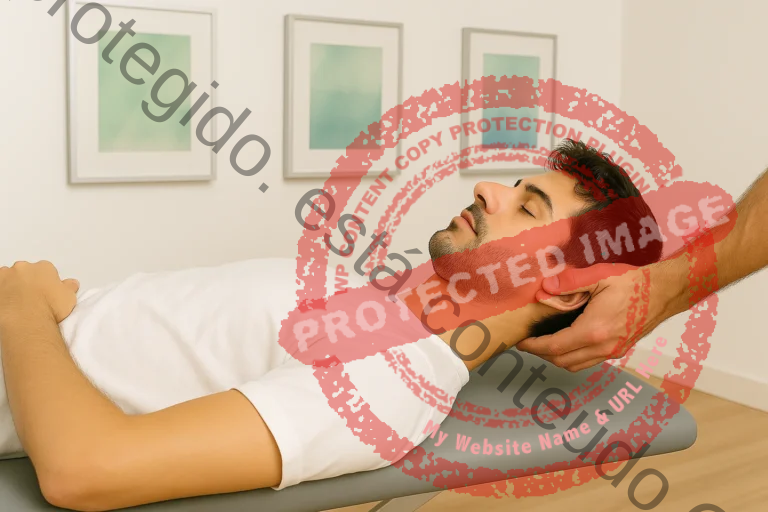
Cranial Osteopathy works at the level of the base of the skull, a region where anatomical structures related to the emergence of the vagus nerve are located, and can influence its function by improving tissue mobility and normalising local tensions.
Visceral Osteopathy intervenes on internal organs, stimulating vagal receptors and supporting functional communication between the central nervous system and peripheral organs. Visceral manipulation and other manual techniques used in Osteopathy also act on proprioceptive and cutaneous receptors, responsible for transmitting afferent information to the central nervous system. These sensory stimuli can favour vagal responses, supporting the body's self-regulation and adaptation mechanisms in the face of functional imbalance states associated with persistent inflammation.
According to the available literature, modulation of vagal nerve activity through manual approaches may be associated with several physiological effects, namely:
- Reduction of sympathetic activity, often related to states of stress, Increased muscle tone and overactivation of the nervous system
- Vagal tone modulation, favouring states of greater neurophysiological stability and autonomic regulation
- Supports the balance between the nervous and immune systems, with possible influence on the inflammatory response and pain perception.
Cranio-Visceral Osteopathy fits into a clinical perspective oriented towards supporting the body's self-regulation mechanisms, promoting favourable conditions for the re-establishment of homeostasis and the functional adaptation of tissues.
How to stimulate the vagus nerve naturally
There are various practices that can be integrated into everyday life with the aim of favouring modulation of the vagus nerve and supporting the balance of the autonomic nervous system.
Deep, controlled breathing: Slow, deep and predominantly diaphragmatic breathing stimulates receptors involved in regulating blood pressure and heart rate. These signals are integrated at brainstem level and communicated to the vagus nerve, promoting greater parasympathetic activation. Heart rate variability, often used as an indirect marker of vagal tone, may reflect these adaptations. Different breathing patterns can be used in a clinical context, respecting individual characteristics and limitations.
Meditation and mindfulness practices: Meditative practices associated with mindfulness and breathing regulation have been linked to an increase in parasympathetic activity. By favouring states of greater neurophysiological stability, these practices can contribute to a reduction in reactivity to stress and for modulating vagal tone, supporting emotional and physiological regulation.
Exposure to cold: Acute, controlled exposure to cold, such as cold showers or the application of cold water to the face, activates autonomic reflexes that tend to reduce sympathetic activity and favour the parasympathetic response. These mechanisms involve cardiovascular and respiratory adaptations that can influence vagal tone, when carried out in a progressive and clinically appropriate manner.
Activation of the oropharyngeal musculature: Activities such as singing, making sustained sounds, humming or gargling involve muscles in the pharynx and larynx, regions innervated by branches of the vagus nerve. Repeated stimulation of these structures can indirectly influence vagal activity, integrating simply into everyday life and supporting the regulation of heart rate and neurophysiological state.
Massage of the cervical region: Gentle manual stimulation of the cervical region can influence neuromuscular and fascial structures related to the vagus nerve pathway. This approach is often used with the aim of reducing local tension and supporting modulation of the autonomic nervous system, within the framework of an individualised clinical assessment.
Cranial and Visceral Osteopathy: In a clinical setting, the Cranial Osteopathy and Visceral Osteopathy can be used as complementary approaches in modulating the autonomic nervous system. Cranial Osteopathy acts at the base of the skull, where structures related to the emergence of the vagus nerve are located, and can influence its function by improving tissue mobility. Visceral Osteopathy intervenes on internal organs, stimulating vagal receptors and supporting communication between the central nervous system and peripheral organs. Together, these approaches fit within a clinical perspective aimed at neurophysiological regulation and functional balance.
Quando procurar ajuda profissional?
If you suspect the vagus nerve is affecting your health, whether physically or emotionally, it is important to seek professional help. Vagus nerve dysfunction can manifest through digestive problems, changes in heart rhythm, emotional difficulties, and increased stress or anxiety. If you notice these signs, the guidance of a specialised Osteopath can be useful for assessing vagus nerve function and promoting balance, fostering physical and emotional well-being.
Understanding the vagus nerve from an integrative perspective
The vagus nerve is not just a nerve; it's a central communication pathway between the brain and vital organs, with direct influence over heart rate, digestion, stress response, and immune balance.
Looking after your well-being, whether through daily practices or specialised clinical intervention, is a concrete way to support physiological balance and long-term health.