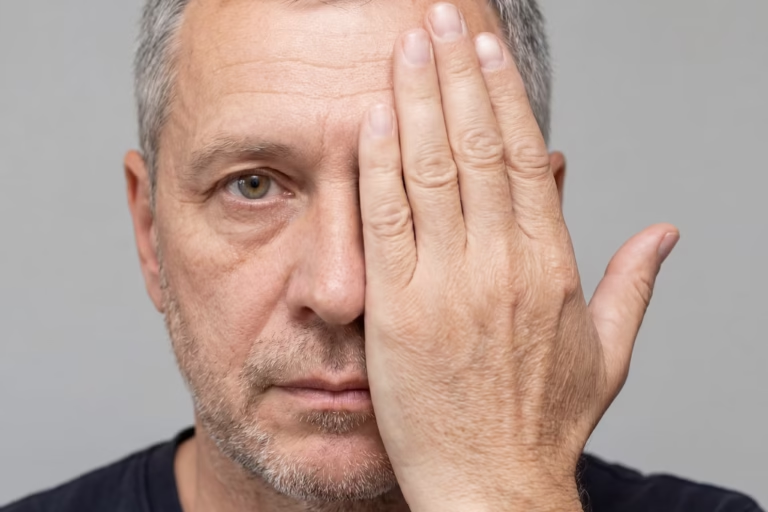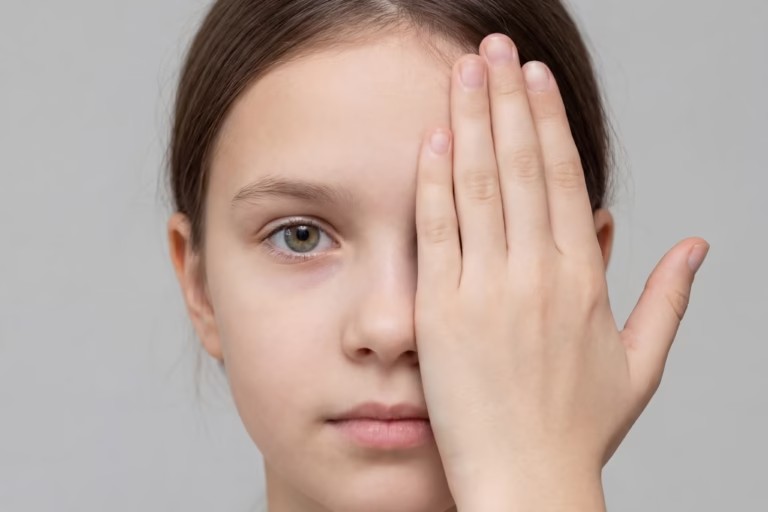


Facial paralysis is a possible sequela in people undergoing surgery for acoustic neuroma removal. Understanding the mechanisms involved, the functional implications, and the role of specialised physiotherapy is fundamental for an informed and integrative approach to recovery.
This article clarifies what acoustic neuroma is, how its surgical removal can compromise the facial nerve, and how physiotherapy specialised in facial palsy can contribute to optimising facial mobility and symmetry.
Acustic neuroma
Acoustic neuroma, also known as vestibular schwannoma, is a benign tumour that develops from the Schwann cells of the vestibular nerve, a branch of the eighth cranial nerve. In most cases, it is a slow-growing lesion.
As it increases in volume, it can exert compression on adjacent structures, including the cochlear nerve and the facial nerve. This compression can result in:
- Progressive hearing loss
- Tinnitus
- Changes in balance and gait instability
- Persistent headaches
- Progressive decrease in the strength and mobility of the facial muscles
The diagnosis usually involves audiological and imaging tests, namely magnetic resonance imaging. The therapeutic decision depends on tumour size, symptomatic progression, patient age, and the preservation of auditory and neurological function.
The surgery aims to remove the tumour, seeking to preserve the integrity of the facial nerve and auditory structures as much as possible. In certain cases, stereotactic radiosurgery, such as the Gamma Knife technique, which uses focused radiation without the need for surgical incision, may be considered. The choice of approach should be discussed individually with the ENT consultant or neurosurgeon.
Facial paralysis as a possible surgical sequela
The facial nerve is anatomically close to the acoustic neuroma. During surgery, injury can occur through sectioning, stretching, compression or intraoperative oedema. When this happens, facial paralysis can appear on the affected side.
The severity of the dysfunction varies widely. In some cases, progressive functional recovery is observed over time; in others, significant motor deficits may persist, depending on factors such as the size and location of the tumour, the surgical technique used, the degree of facial nerve preservation and the individual biological response.
When nerve regeneration occurs in a disorganised way, phenomena such as synkinesias can appear, characterised by involuntary movements associated with voluntary movements, for example closing the eyes while raising the corner of the mouth.
Self-care in facial paralysis recovery
Functional recovery after facial paralysis requires a multidimensional approach. Beyond specialist intervention, self-care plays a relevant role in symptom management and promoting global well-being.
Recommended:
- Physiotherapist-led facial massage
- Appropriate eye protection when there is a lack of eyelid closure
- Balanced nutrition
- Regular physical activity
- Enough quality sleep
- Management strategies stress
- Social support maintenance
The integration of these pillars contributes to a more consistent recovery, respecting the biological times of neural regeneration.
Specialised physiotherapy for facial paralysis
Specialist physiotherapy for facial palsy plays a central role in neuromuscular re-education after acoustic neuroma surgery. The intervention should be initiated early, according to clinical indication, and conducted by a professional with specific training in this area.
Performing exercises without proper guidance may not be beneficial. Frequently suggested practices, such as chewing gum, blowing up balloons, or making repeated facial expressions, do not demonstrate consistent clinical benefit and may encourage inadequate motor patterns.
Indiscriminate stimulation can contribute to aberrant reinnervation, increased muscle tension, mass movements and worsening of synkinesis.
The specialised approach focuses on:
- Selective muscle activation retraining
- Facial symmetry promotion
- Improved tone
- Contracture reduction
- Management of synkinesias
Even in cases with prolonged evolution, it is possible to intervene in dysfunctional motor patterns and improve the quality of facial movement, through strategies based on current scientific evidence.
Understanding facial paralysis from an integrative perspective
Coping with facial paralysis after acoustic neuroma surgery involves understanding the neurological mechanisms involved, respecting the regeneration process and adopting a structured and individualised approach.
Assessment by a physiotherapist specialising in facial palsy allows for the outlining of strategies appropriate to the specific clinical presentation, promoting a more harmonious and sustained functional recovery, with a focus on symmetry, quality of movement, and the integration between body and mind.
At Integrativa, the physiotherapy specialising in facial paralysis are based on a rigorous clinical assessment of mobility, symmetry, muscle strength, coordination, compensatory patterns and functional impact, including speech, chewing, swallowing and emotional expression. This assessment allows each case to be understood on an individualised basis.
Based on this detailed analysis, a progressive physiotherapy approach is outlined, guided by clear clinical objectives, adjusted to the needs of each person and the different stages of evolution, with a focus on facial dynamics and respect for the physiology of the face.
Alexandra Gomes | Physiotherapist specialising in the treatment and recovery of Facial Paralysis
member of the Facial Therapy Specialists International (FTSI)
Physiotherapist Card: 1459 | Order of Physiotherapists
Integrativa | Health and well-being as a lifestyle
This website and its content are for information purposes only and are not a substitute for medical or health professional advice. Each person's treatment should be individualised and guided by health professionals. Do not make any changes to your treatment without contacting the doctor or health professional accompanying you.
Related articles