

Temporomandibular joint (TMJ) dysfunction is a common condition that can cause pain, discomfort, and functional limitation in the jaw region and nearby structures. Its origin is multifactorial, and can involve muscle tension, dental occlusion changes, trauma, mechanical overload, and factors related to the stress and the regulation of the nervous system.
In recent years, Osteopathy, particularly Cranial Osteopathy, has taken on a significant role in the clinical approach to TMJ dysfunctions. Through specific manual techniques, it aims to reduce pain, promote physiological mobility, and improve the function of the involved joints and tissues.
Osteopathic approach to TMJ dysfunction
Temporomandibular joint (TMJ) dysfunction is a common condition, often associated with pain and discomfort in the jaw region and adjacent structures. Its origin can be multifactorial, involving muscular factors, changes in dental occlusion, trauma, mechanical overload, and psychological influences, such as stress. When not addressed appropriately, this dysfunction can significantly affect individuals' quality of life.
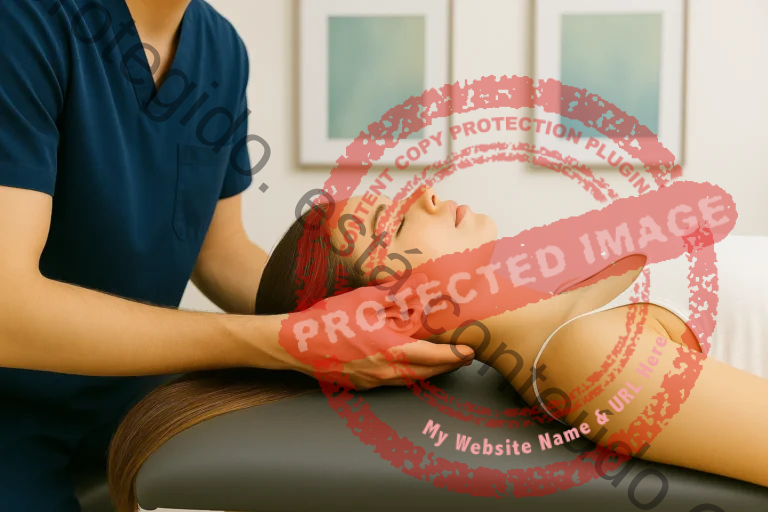
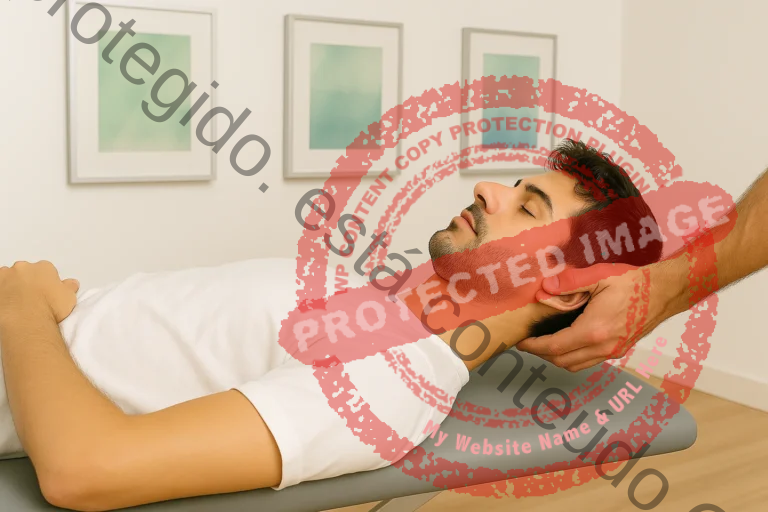
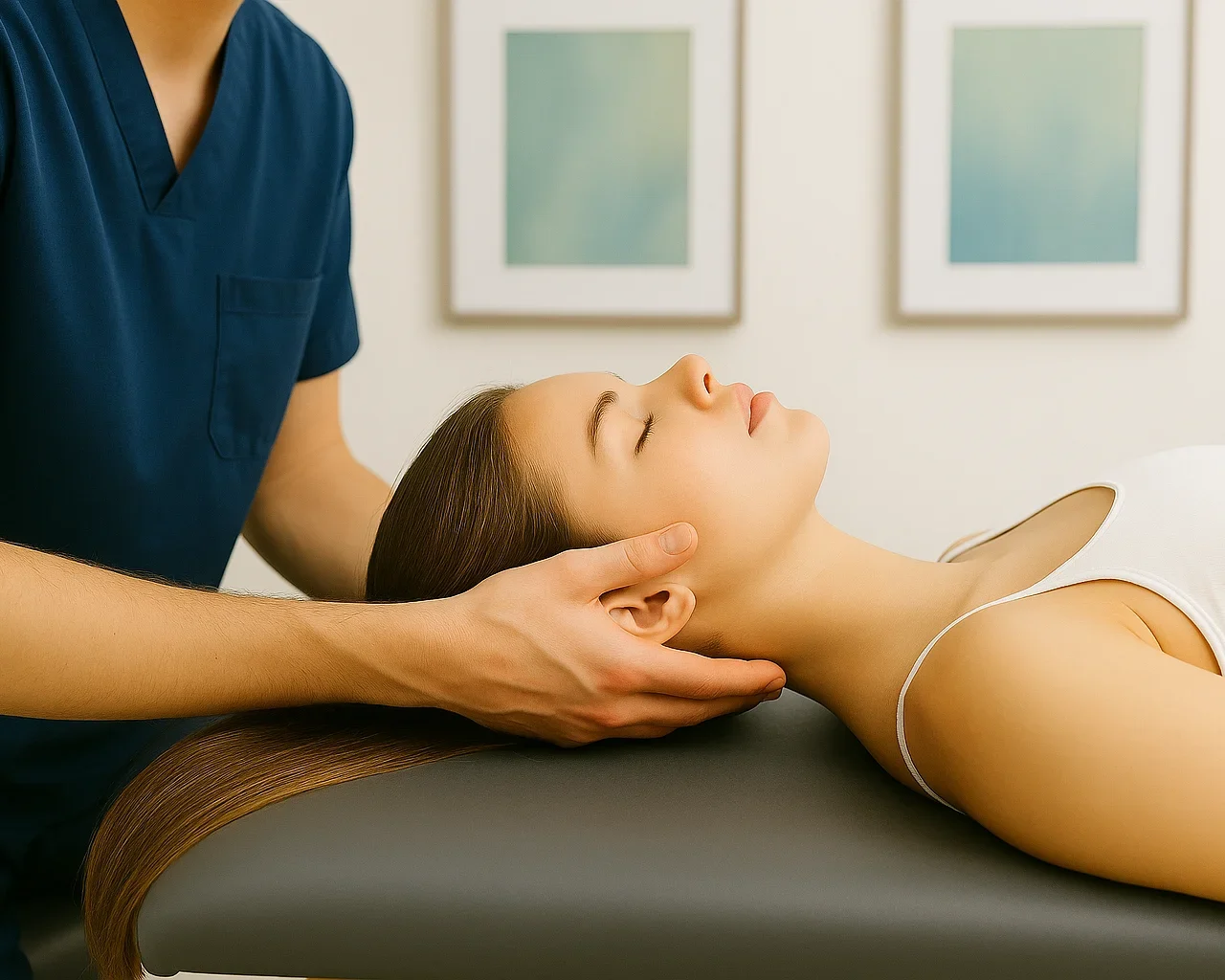
In recent years, Osteopathy, particularly Cranial Osteopathy, has been considered in the treatment of TMJ dysfunctions. Using specific manual techniques, Osteopathy aims to relieve pain, promote mobility, and improve the function of the affected joints and tissues. Cranial Osteopathy acts directly on cranial tensions, the meningeal membranes, and the functional relationship between the skull, the TMJ, and the cervical spine.
The main osteopathic objective is the biomechanical balance of the temporomandibular joint (TMJ), through the normalisation of muscular and fascial tensions. Cranial Osteopathy also stands out in the approach to craniomandibular dysfunctions and their associated manifestations, such as headaches and tension headaches. This method focuses on the assessment and treatment of tensions in the cranial tissues, including the meningeal membranes and the fascias that connect the skull to adjacent muscles and other structures. Changes in cranial biomechanics can influence blood circulation and innervation, which can lead to pain.
In addition, Cranial Osteopathy aims to improve the circulation of cerebral fluids, using gentle and non-invasive techniques that address fascial restrictions, promoting structural and functional balance of the areas involved.
Benefits of Osteopathy for the TMJ and orofacial pain
Osteopathy has shown potential in reducing muscle tension, particularly in the muscles responsible for chewing, and in improving chewing function. Techniques such as gentle joint mobilisations and therapeutic exercises are used to promote pain relief and improve the quality of life for patients with TMD.
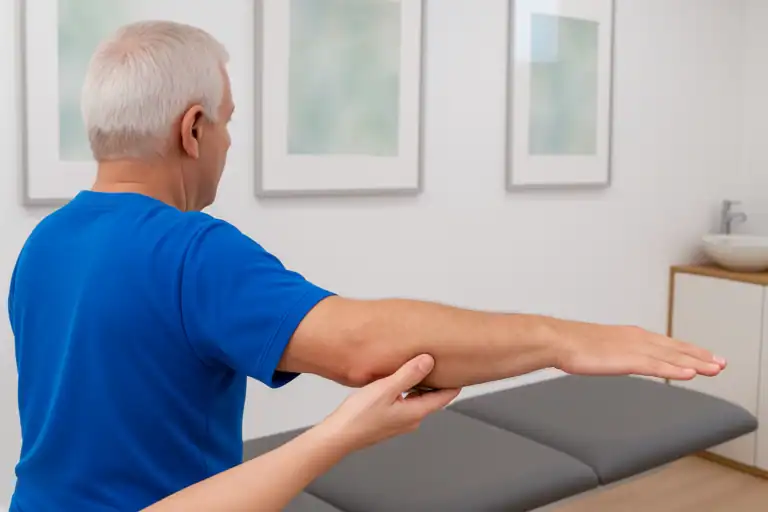
Furthermore, osteopathic assessment also involves the cranio-cervical and shoulder regions, recognising the functional interdependence between these structures. This broader approach may allow the intervention to act not only on the TMJ but also on imbalances that may contribute to the worsening of symptoms.
Personalised and multidisciplinary treatment of TMJ dysfunction
The osteopathic approach is tailored to each patient's needs. A detailed and individualised assessment allows for the identification of factors that may contribute to temporomandibular joint (TMJ) dysfunction and orofacial pain, enabling the intervention to be personalised according to the specifics of each case. The integration of other areas, such as physiotherapy, can complement the osteopathic approach, making the treatment more effective.
Furthermore, factors such as lifestyle, sleep hygiene, and the level of stress must be considered, given the potential impact they can have on the clinical picture. Relaxation and control techniques stress can be recommended as part of an integrated approach to condition management.
Understanding TMJ dysfunction from an integrative perspective
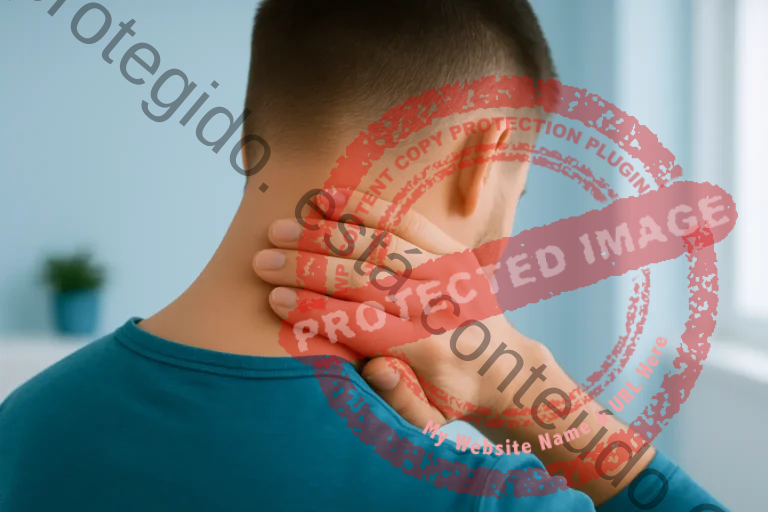
Temporomandibular joint (TMJ) dysfunction is a multifactorial condition, frequently associated with pain and discomfort in the jaw, neck, and cranial region. Factors such as muscle tension, changes in dental occlusion, trauma, poor posture, and stress may be related to its appearance and worsening.
Osteopathy can be a relevant approach for relieving muscle tension, promoting TMJ mobility, and improving cranial dynamics. Furthermore, it contributes to promoting the balance of the nervous system, which is essential for pain management and improved temporomandibular joint function.
An individualised assessment is important, considering not only musculoskeletal structures, but also the interaction between the skull, cervical spine and nervous system, using Cranial Osteopathy for a more complete approach.
At Integrativa, specialised consultations for the TMJ and orofacial pain are part of a global clinical assessment, where the body is analysed in an integrated way, through physiotherapy and osteopathy, considering the interactions between the musculoskeletal (Structural Osteopathy), visceral (Visceral Osteopathy) and cranial (Cranial Osteopathy) systems. A complete and personalised clinical assessment allows for each situation to be framed in detail and for strategies tailored to individual needs to be defined.
The assessment consultation with a specialised Physiotherapist – Osteopath allows for a careful and individualized understanding of how this integrative approach can be beneficial for your case.
David Brandão | Osteopath and Physiotherapist
Specialising in Cranial Osteopathy for TMJ, Orofacial Pain and Headaches
Physiotherapist Card: 3652 | Order of Physiotherapists // Osteopath Card: C-0031697 | ACSS
Integrativa | Health and well-being as a lifestyle
This website and its content are for information purposes only and are not a substitute for medical or health professional advice. Each person's treatment should be individualised and guided by health professionals. Do not make any changes to your treatment without contacting the doctor or health professional accompanying you.
Related articles