

Chronic pain does not always originate from the site where it is felt. In many cases, it results from a complex interaction between neurophysiological mechanisms, persistent inflammatory processes, and vagus nerve activity. These three elements are intimately interconnected, and understanding this relationship is fundamental for a more informed clinical approach to persistent pain and its management.
The relationship between inflammation and the Vagus Nerve
Inflammation is a natural physiological response of the body to injury, infection, or external aggression. When it occurs acutely, it is an adaptive process essential for tissue repair and immune defence. However, when inflammation persists over time, it can become a factor of functional imbalance, interfering with tissue recovery mechanisms and amplifying pain perception.
Chronic inflammation is associated with the sensitisation of peripheral and central nerve receptors, increasing the reactivity of the nervous system. This phenomenon can translate into an increased perception of pain and an exaggerated response to stimuli that are normally non-painful, contributing to the maintenance of chronic pain. The persistence of this sensitisation, associated with a deregulated immune response, favours the perpetuation of the inflammation-pain cycle.
The Vagus Nerve and the Modulation of Inflammation
The vagus nerve plays a central role in regulating the inflammatory response, acting as a major communication pathway between the central nervous system and organs involved in the immune response. Its activity is associated with the modulation of pro-inflammatory cytokine production, molecules involved in maintaining inflammation.
This mechanism is known as the cholinergic anti-inflammatory pathway. Activation of the vagus nerve promotes the release of acetylcholine, a neurotransmitter that can inhibit the production of pro-inflammatory cytokines, such as TNF-α, IL-1β, and IL-6. This pathway constitutes one of the main physiological control systems of inflammation, contributing to limiting excessive inflammatory responses and supporting tissue adaptation.
The cycle of pain and inflammation
The relationship between pain and inflammation is often bidirectional. Persistent inflammation can increase the sensitivity of nerve receptors and amplify pain, while chronic pain can, in turn, contribute to the maintenance of inflammatory states. This reciprocal cycle favours the chronification of symptoms and hinders functional recovery.
A reduction in vagal tone, understood as a decrease in the functional activity of the vagus nerve, is associated with a reduced capacity of the body to modulate its inflammatory response. This decreased vagal control can allow the inflammation–pain cycle to persist. On the other hand, modulation of vagal activity has been linked to favourable changes in autonomic and inflammatory regulation, positioning it as a relevant element in the clinical approach to chronic pain.
The role of osteopathy in modulating the vagus nerve and inflammation
Osteopathic integration fits within a clinical approach focused on the regulation of the autonomic nervous system and the functional interaction between the nervous and immune systems. Through specific manual techniques, osteopathic intervention can influence neurosensory pathways involved in vagal nerve activity, contributing to the modulation of physiological responses associated with stress and inflammatory processes. In a clinical context, Cranial Osteopathy and Visceral Osteopathy can be integrated as complementary approaches in the modulation of the autonomic nervous system.
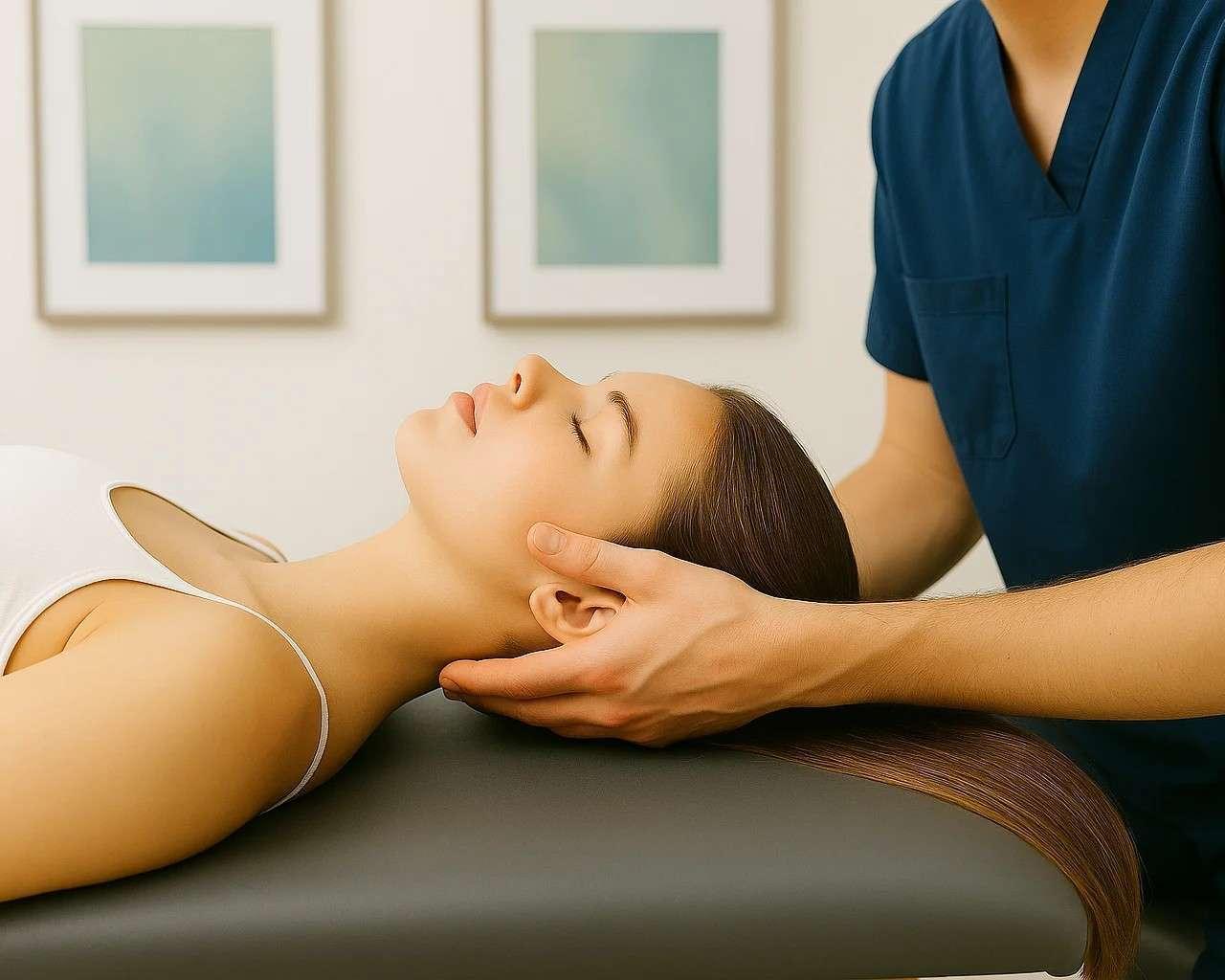
Cranial Osteopathy works at the level of the base of the skull, a region where anatomical structures related to the emergence of the vagus nerve are located, and can influence its function by improving tissue mobility and normalising local tensions.
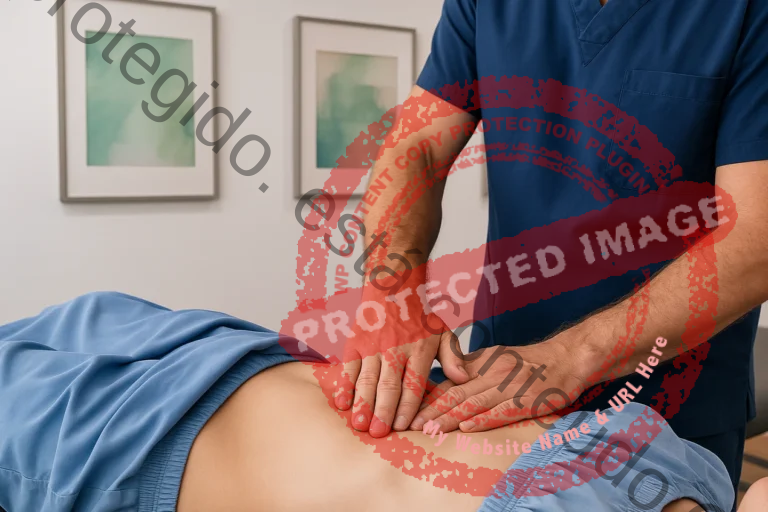
Visceral Osteopathy intervenes on the internal organs, stimulating vagal receptors and supporting functional communication between the central nervous system and the peripheral organs. Visceral manipulation and other manual techniques used in Osteopathy also act on proprioceptive and cutaneous receptors, responsible for transmitting afferent information to the central nervous system. These sensory stimuli can favour vagal responses, supporting the body's self-regulation and adaptation mechanisms in the face of functional imbalance states associated with persistent inflammation.
The science behind Vagus Nerve Stimulation
Vagus nerve stimulation has been the subject of numerous studies in the context of chronic pain and inflammation. Scientific research has shown that vagus nerve activation can be effective in modulating inflammation and reducing pain perception. Some relevant studies include:
Wang, Y. (2023): The study suggests that vagus nerve stimulation could be useful in treating chronic pain by modulating the inflammatory response and promoting recovery.
Tanaka, S. (2022): Vagal nerve stimulation has been shown to have a positive impact on chronic pain management, particularly regarding inflammation regulation.
Andrade, M. F., et al. (2024): A systematic review on transcutaneous vagus nerve stimulation concluded that this technique can reduce inflammation and alleviate chronic pain.
These studies reveal that, in addition to clinical interventions, natural approaches to stimulating the vagus nerve can also contribute significantly to reducing inflammation and alleviating pain.
Natural strategies to stimulate the Vagus Nerve
In addition to clinical interventions, there are several natural approaches that can be incorporated into daily life to promote vagal nerve activity and help regulate inflammation and pain:
- Deep, controlled breathing: Slow, deep and predominantly diaphragmatic breathing stimulates receptors involved in regulating blood pressure and heart rate. These signals are integrated at brainstem level and communicated to the vagus nerve, promoting greater parasympathetic activation. Heart rate variability, often used as an indirect marker of vagal tone, may reflect these adaptations. Different breathing patterns can be used in a clinical context, respecting individual characteristics and limitations.
- Meditation and mindfulness practices: Meditative practices associated with mindfulness and breath regulation have been linked to an increase in parasympathetic activity. By promoting states of greater neurophysiological stability, these practices can contribute to a reduction in stress reactivity and the modulation of vagal tone, supporting emotional and physiological regulation.
- Exposure to cold: Acute, controlled exposure to cold, such as cold showers or the application of cold water to the face, activates autonomic reflexes that tend to reduce sympathetic activity and favour the parasympathetic response. These mechanisms involve cardiovascular and respiratory adaptations that can influence vagal tone, when carried out in a progressive and clinically appropriate manner.
- Activation of the oropharyngeal musculature: Activities such as singing, making sustained sounds, humming or gargling involve muscles in the pharynx and larynx, regions innervated by branches of the vagus nerve. Repeated stimulation of these structures can indirectly influence vagal activity, integrating simply into everyday life and supporting the regulation of heart rate and neurophysiological state.
- Massage of the cervical region: Gentle manual stimulation of the cervical region can influence neuromuscular and fascial structures related to the vagus nerve pathway. This approach is often used with the aim of reducing local tension and supporting modulation of the autonomic nervous system, within the framework of an individualised clinical assessment.
- Cranial and Visceral Osteopathy: In the clinical context, Cranial Osteopathy and Visceral Osteopathy can be used as complementary approaches to modulating the autonomic nervous system. Cranial Osteopathy works at the base of the skull, where structures related to the emergence of the vagus nerve are located, and can influence its function by improving tissue mobility. Visceral Osteopathy acts on the internal organs, stimulating vagal receptors and supporting communication between the central nervous system and peripheral organs. Together, these approaches fit into a clinical perspective orientated towards neurophysiological regulation and functional balance.
Understanding the vagus nerve from an integrative perspective
An understanding of the interaction between inflammation, pain, and vagus nerve activity is a central element in the clinical approach to chronic pain and persistent inflammatory conditions. Integrative Osteopathy, by intervening in mechanisms associated with vagus nerve modulation, is an approach that can support the regulation of these neurophysiological pathways, contributing to a more integrated management of pain and the inflammatory response.
The vagus nerve is just one of the many systems that osteopathy can help balance.
In Integrative Osteopathy, we work on the connection between the body, the nervous system and natural self-regulation. More than just a physical intervention, Osteopathy is a global approach that aims to stimulate the body to achieve its natural balance.
In Integrative Osteopathy consultations, Cranio-Visceral Osteopathy is part of a global clinical assessment, where the body is analysed in an integrative way, taking into account the interactions between the musculoskeletal (Structural Osteopathy), visceral (Visceral Osteopathy) and cranial (Cranial Osteopathy) systems. This assessment is complemented by Clinical Psychoneuroimmunology, which makes it possible to address essential factors such as sleep, physical exercise, a healthy diet, the regulation of the stress and relaxation strategies. One of the aims is to optimise the function of the vagus nerve and promote physical and emotional balance, which is essential for overall well-being.
Through a complete and personalised clinical assessment, each situation is analysed in detail, allowing us to define strategies tailored to the individual needs of each patient.
David Brandão | Osteopath and Physiotherapist
Specialised in Clinical Psychoneuroimmunology
Physiotherapist Card: 3652 | Order of Physiotherapists // Osteopath Card: C-0031697 | ACSS
Integrativa | Health and well-being as a lifestyle
This website and its content are for information purposes only and are not a substitute for medical or health professional advice. Each person's treatment should be individualised and guided by health professionals. Do not make any changes to your treatment without contacting the doctor or health professional accompanying you.
Reference articles
Kox, M., van Eijk, L. T., & Zwaag, J. (2014). Voluntary activation of the vagus nerve modulates human innate immune and sympathetic responses. Brain, Behavior, and Immunity, 40, 238-248.
Pavlov, V.A., & Tracey, K.J. (2005). The cholinergic anti-inflammatory pathway. Brain, Behaviour, and Immunity, 19(6), 493–507.
Lee, J. H., Choi, T. Y., Lee, M. S., Lee, H., Shin, B. C., & Ernst, E. (2013). Osteopathic manipulative treatment for non-specific chronic low back pain: A systematic review of randomised controlled trials. BMC Complementary and Alternative Medicine, 13(1), 1-8.
Wang, Y. (2023). Role of the Vagus Nerve in the Treatment of Chronic Pain. Neuroimmunomodulation, 30(4), 245–256.
Tanaka, S. (2022). Clinical perspectives on vagus nerve stimulation: present and future. Clinical Science (London), 136(18), 1327–1342.
Andrade, M. F., et al. (2024). Transcutaneous vagus nerve stimulation effects on chronic pain: systematic review and meta-analysis. Pain Reports.
Related articles