

Taking part in sporting competitions involves significant physical and mental demands. After a competitive effort, recovery plays a central role in the body's adaptation to the imposed loads, influencing tolerance to subsequent training, fatigue management and the continuity of sports practice over time. Post-competition recovery must therefore be understood as an integral part of the sporting process and not as an isolated moment.
This clinical framework makes it possible to approach recovery in a structured way, taking into account the different physiological and functional dimensions that contribute to restoring balance after exertion.
Pillars of post-competition recovery
Post-competition recovery is based on several interdependent components, which must be adjusted to the individual characteristics of the athlete, the sport practised and the competitive context.
- MoisturisingDuring competition there is a significant loss of fluids and electrolytes, which varies depending on the intensity of the effort, the duration of the race and the environmental conditions. Water replacement after competition helps regulate physiological functions and support the metabolic processes involved in recovery. The intake of water and, when indicated, electrolyte solutions should be adjusted on an individual basis.
- Nutrition: Post-competition nutrition plays an important role in functional recovery. Protein intake is associated with supporting muscle repair processes, while carbohydrates contribute to replenishing energy reserves. The inclusion of foods rich in micronutrients, such as fruit and vegetables, can support the metabolic processes involved in adapting to the effort made.
- Rest: Rest is a fundamental element of recovery. Adequate sleep is associated with hormonal regulation, neuromuscular recovery and overall adaptation to training. In the days following a competition, it may be necessary to temporarily adjust the training load, respecting the body's signals and promoting progressive recovery
- Mental recovery: The psychological dimension of recovery is often undervalued, despite its clinical relevance. After the competition, emotional regulation strategies, such as relaxation techniques, conscious breathing or visualisation, can contribute to reducing the stress and for mental reorganisation after the competitive effort. The integration of competitive experience is part of this recovery process.
Complementary recovery strategies
In addition to the central pillars, additional strategies can be considered, within the framework of an individualised assessment.
Passive therapies
Approaches can be used in certain contexts, depending on the athlete's background:
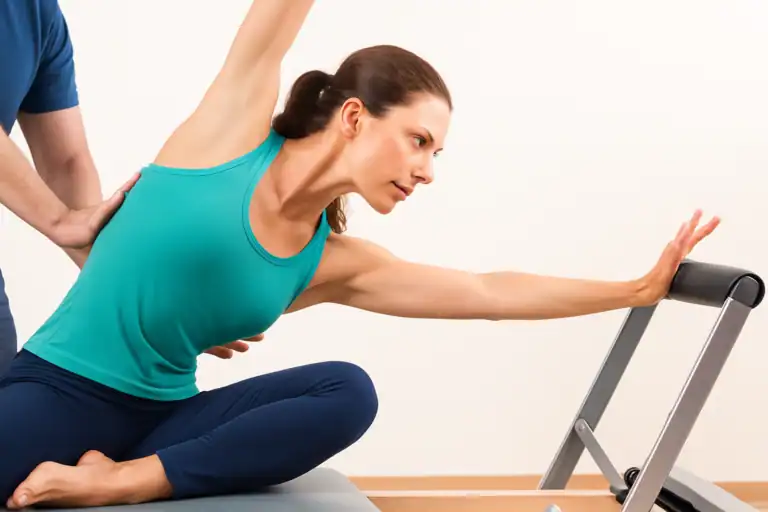
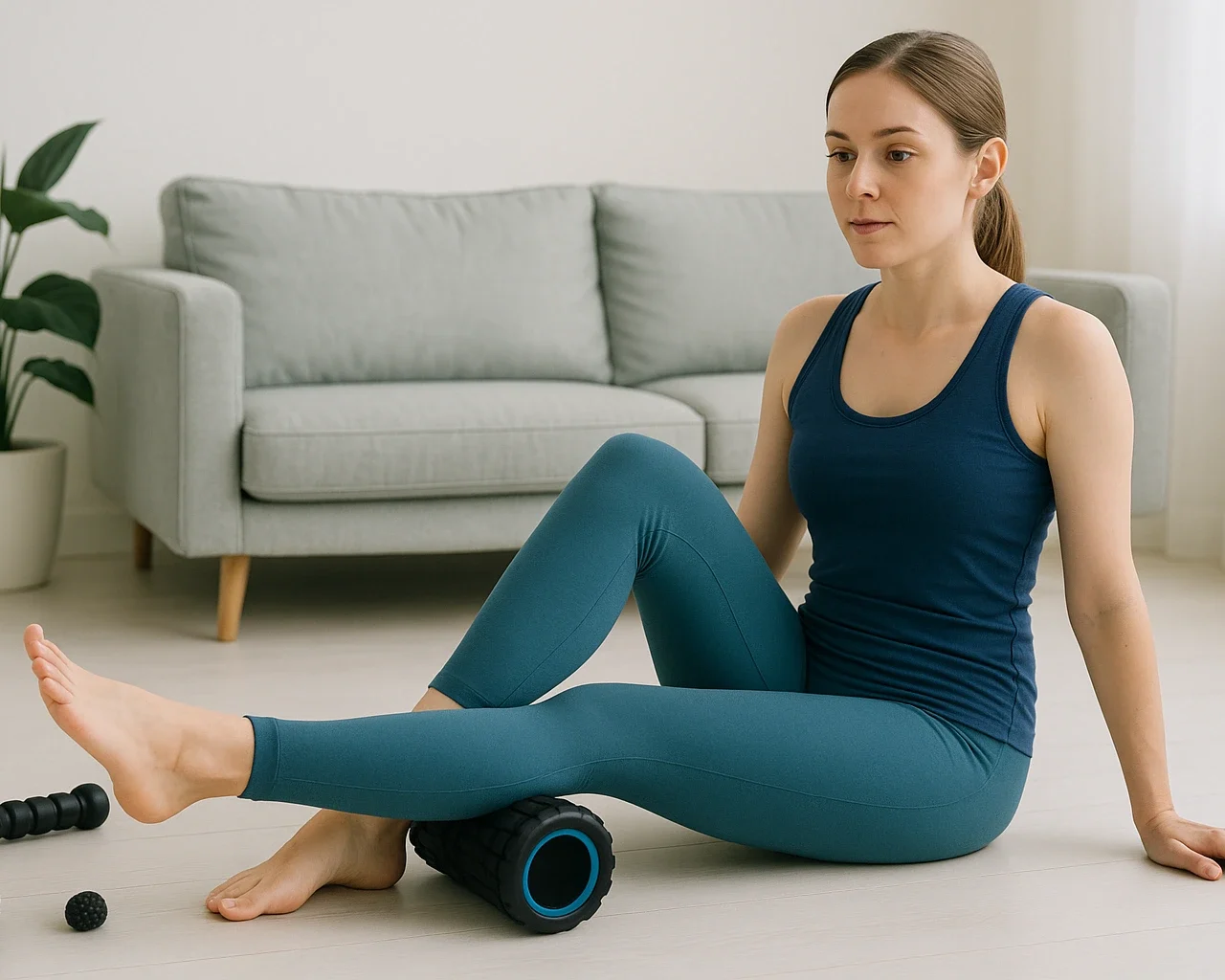
- Manual techniques can be used to support the reduction of perceived muscle tension
- Tissue mobilisation approaches can contribute to functional organisation after exertion
- Strategies such as the application of cold or pressure therapy can be considered in specific situations, with judgement
These interventions must always be framed in clinical reasoning and adjusted to individual needs.
Low-intensity active activities:
Controlled movement can help recovery. Light activities, such as walking or gentle cycling, can favour circulation without adding excessive load. Mobility exercises can also be useful for maintaining range of motion after competition.
The importance of professional support
Post-competition recovery benefits from an individualised clinical approach. Monitoring by health professionals such as physiotherapists, osteopaths, nutritionists and sports psychologists makes it possible to structure strategies tailored to the sport, the stage of the season and the specific characteristics of each athlete.
In the Integrative approach, recovery is understood as an active and integrated process, which seeks to respect the individuality of the athlete and support the continuity of sports practice in a sustained manner. Understanding post-competition recovery from an integrative perspective implies recognising that sports performance and longevity result from the interaction between load, adaptation, recovery and life context.
David Brandão | Osteopath and Physiotherapist
Physiotherapist Card: 3652 | Order of Physiotherapists // Osteopath Card: C-0031697 | ACSS
Integrativa | Health and well-being as a lifestyle
This website and its content are for information purposes only and are not a substitute for medical or health professional advice. In all cases, treatments should be individualised and guided by health professionals. Do not make any changes to your treatment without contacting the doctor or health professional accompanying you.
Related articles