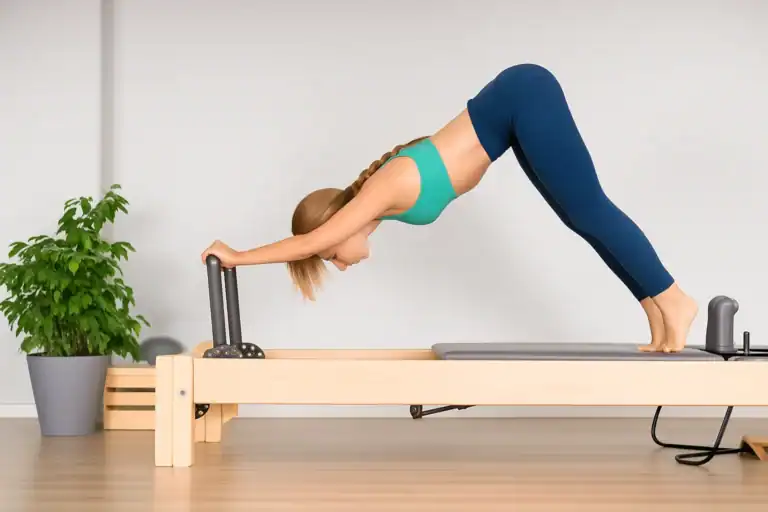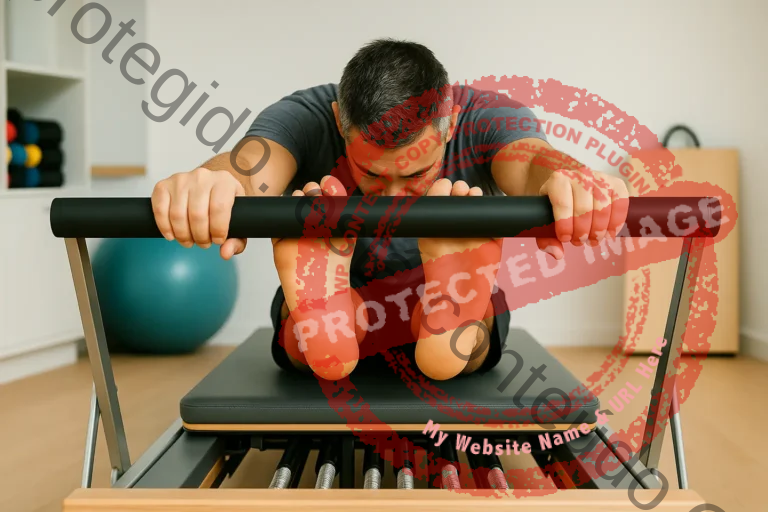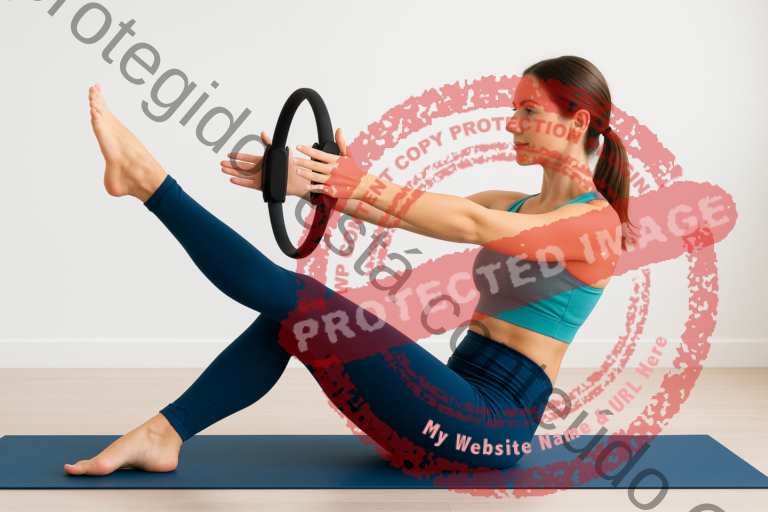


As we age, it is essential to maintain a healthy lifestyle to ensure a good quality of life. Clinical Pilates, an exercise method that focuses on strength, flexibility, and balance, has become a valuable tool for promoting well-being and vitality at all ages. In this article, we will explore how Clinical Pilates can be a wise choice for combating the challenges of ageing.
Understanding Ageing
Ageing is a natural process that affects us all. As we get older, we experience various changes in our bodies, including muscle mass loss, decreased bone mineral density, reduced flexibility, and alterations in balance. These factors can contribute to a decline in quality of life and increase the risk of falls and injuries.
The Benefits of Pilates for Ageing
Improved Muscle Strength Clinical Pilates is a strength training method that focuses on strengthening the core muscles, which is fundamental for maintaining good posture and preventing back pain. As we age, maintaining muscle strength is crucial for independence and carrying out daily tasks.
Increase Flexibility Clinical Pilates involves a series of movements that stretch and strengthen muscles, which is essential for maintaining joint flexibility and preventing muscle stiffness that can occur with age.
-Improvement of balance and coordination Clinical Pilates improves body awareness and works on coordination, factors that are crucial for maintaining stability and balance, and reducing the risk of falls, especially in older people.
Promotes mental well-being: Clinical Pilates isn't solely focused on the physical aspect. Regular Pilates practice can also help reduce stress, promote concentration, and improve mental well-being. This is fundamental, as mental health plays a significant role in quality of life as we age.
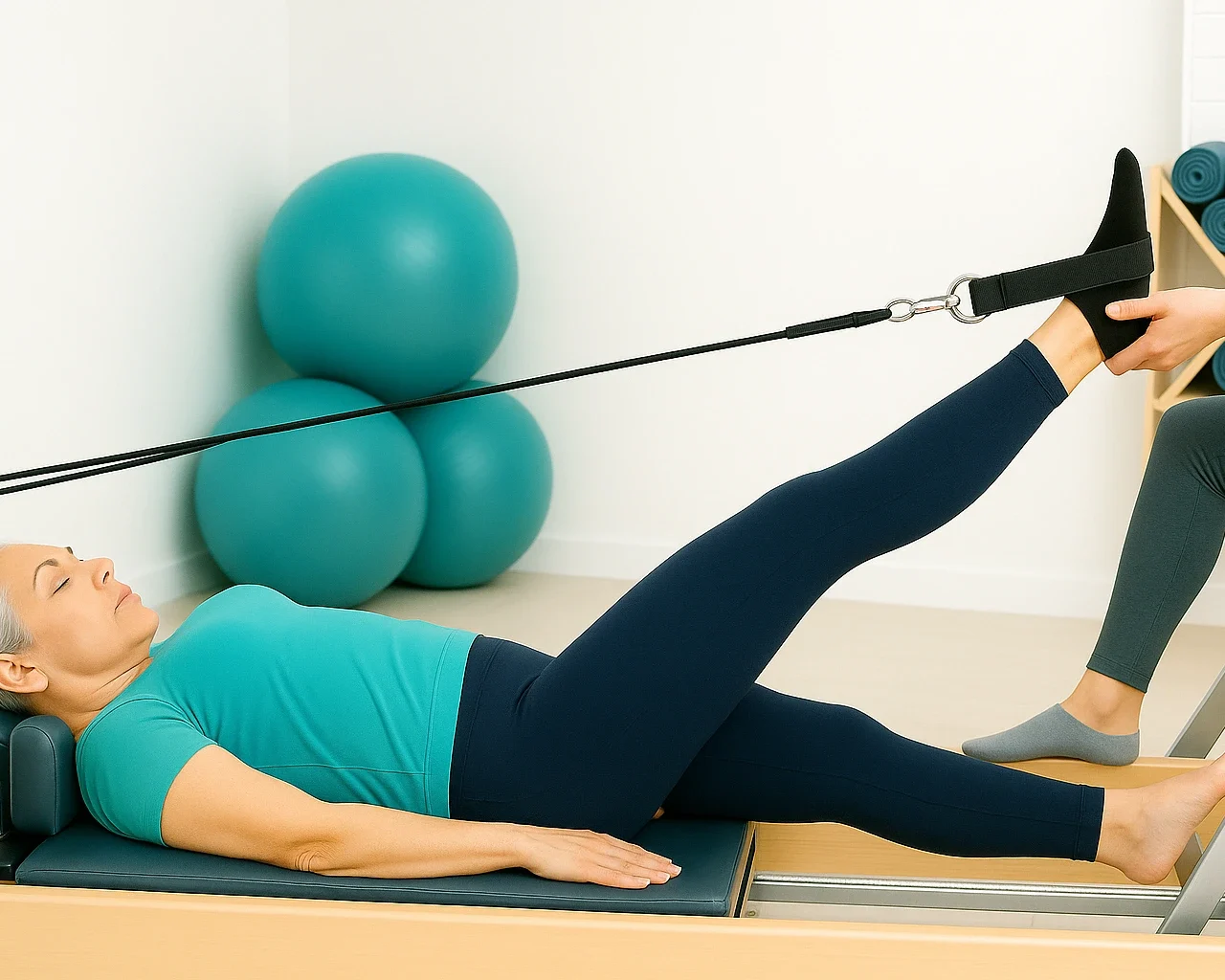
It is adaptable to individual needs: Clinical Pilates can be adapted to meet individual needs, making it suitable for people of all ages and fitness levels. This means that even those with chronic medical conditions or physical limitations associated with ageing can benefit from Pilates.
Reduces the risk of injuries Clinical Pilates is a low-impact form of exercise, making it suitable for joint pain and injuries and less likely to cause further harm. This is important for older individuals who may have fragile joints and existing pathologies.
When should I start Clinical Pilates?
If you are interested in starting Pilates as part of your healthy aging regime, here are some tips:
Consult a clinical Pilates instructor physiotherapist: before starting any new exercise programme, it is always advisable to consult a doctor or physiotherapist, especially if you have any injuries or medical conditions.
- Find a physiotherapist certified in the Clinical Pilates Method: It's important to learn the correct technique of clinical Pilates to achieve the best results and avoid injuries. Finding a certified instructor is essential.
Start slowly: if you're new to Pilates, begin with beginner classes and progress gradually. Don't feel pressured to do advanced movements from the outset. Your physiotherapist will adapt the classes to your capabilities and conditions so that no injuries occur.
Be consistent: consistency is key to reaping the benefits of Pilates. Try to incorporate regular Pilates sessions into your weekly routine.
Listen to your body: pay attention to your body and don't force movements that cause pain. Pilates should be challenging, but never painful.
Clinical Pilates is a valuable tool for maintaining vitality and quality of life as we age. With its benefits for muscle strength, flexibility, balance, and mental well-being, Pilates can play a significant role in promoting health and well-being at all ages, especially during the ageing process. Therefore, consider including Pilates in your journey to healthy and active ageing. Always remember to consult a healthcare professional before starting any new exercise program.
Alexandra Gomes Physiotherapist specialising in Clinical Pilates
Integrativa | Health and well-being as a lifestyle
This website and its content are for information purposes only and are not a substitute for medical or health professional advice. In all cases, treatments should be individualised and guided by health professionals. Do not make any changes to your treatment without contacting the doctor or health professional accompanying you.
Related articles