

Cranial Osteopathy
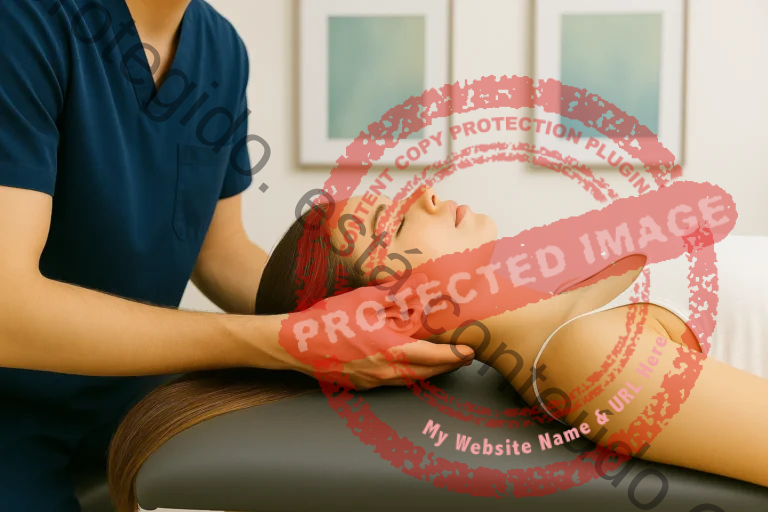
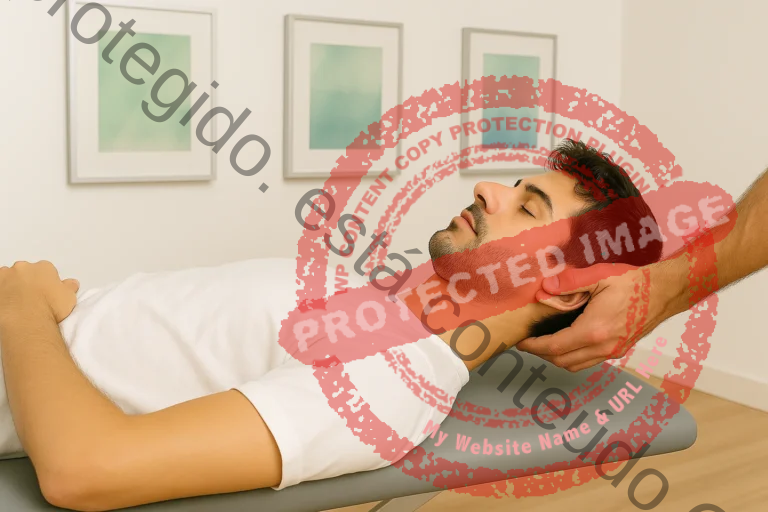
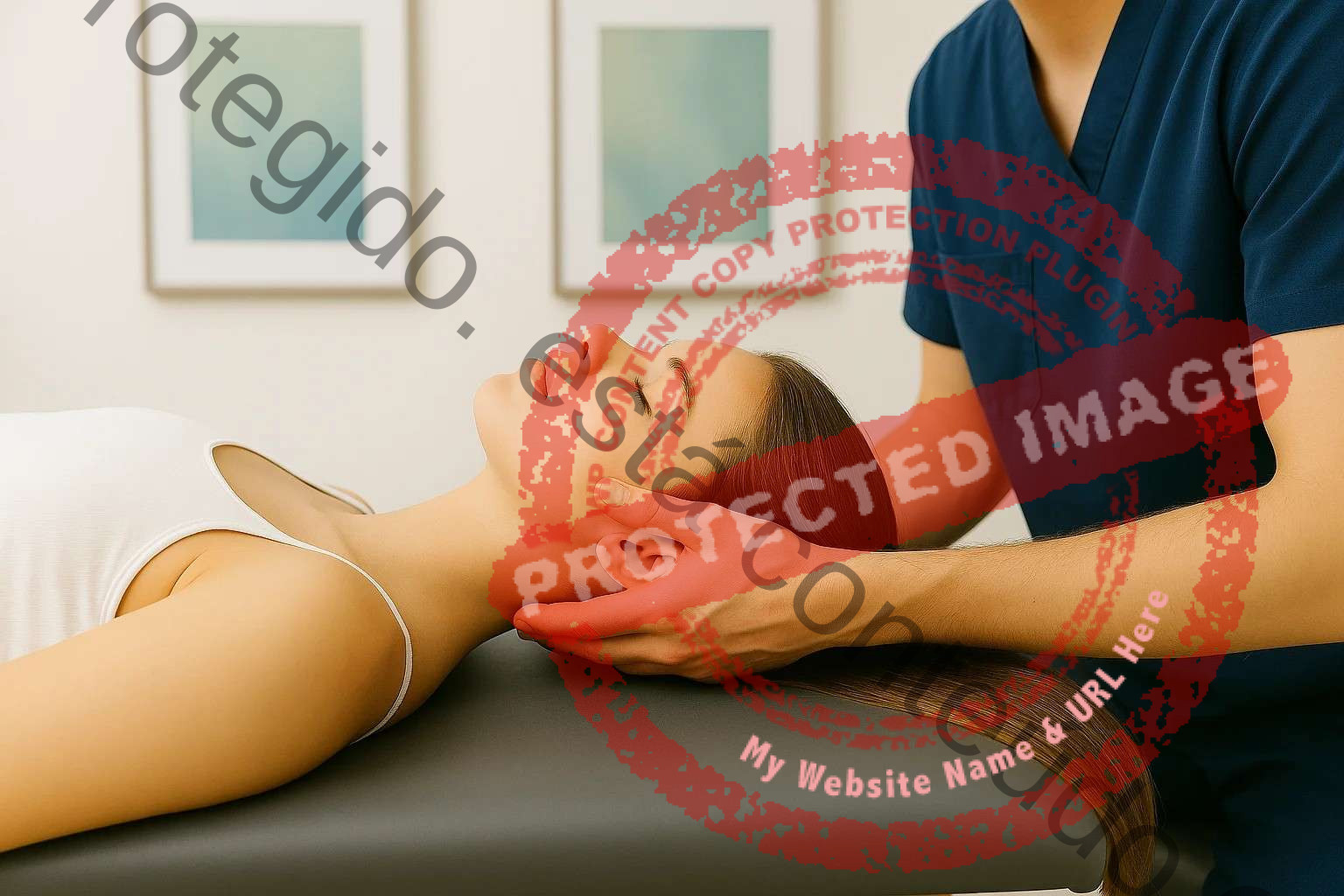
Cranial Osteopathy is a manual approach that seeks to assess the mobility of the cranial tissues and the relationship between the cranial structures, the meningeal membranes, the fascia and the rest of the body.
Part of the observation that changes in these structures can influence deeper tension patterns, with repercussions on the musculoskeletal system and how the body adapts over time.
The intervention is based on gentle manual techniques, framed within a global assessment of the person. Consideration is given not only to cranial structures but also to their relationship with the spine, sacrum, and other systems involved, seeking to understand patterns of compensation and adaptation.
In a clinical context, associations can be observed between cranial alterations and complaints such as headaches, neck tension, shoulder or lower back discomfort, sleep disturbances, or a general feeling of bodily tension. Each situation is evaluated individually, without prior assumptions.
At Integrativa, Cranial Osteopathy is integrated into a broader assessment of health, aligning with the neuro-musculoskeletal and visceral systems whenever appropriate. The approach is person-centred, taking into account their context and journey, with clinical judgement and respect for individual rhythms.
Indications for Cranial Osteopathy
-Headaches and migraines
-Temporomandibular joint dysfunction (TMJ) and orofacial pain
-Tinnitus, Tinnitus and Acuphenia
-Dizziness and vertigo
-Regulation of the Autonomic Nervous System (ANS)
Why choose Integrativa?
Cranial Osteopathy follow-up is carried out by professionals with specific training in this area, integrated with Osteopathy and Physiotherapy. This approach allows for a more complete understanding of the relationships between the cranial system, the cervical spine, the muscular system, and the nervous system.
Each person is assessed individually, considering their current complaints, clinical history, and overall context. The support is adjusted over time, paying attention to each person's pace and needs.
The sessions take place in individual offices, in a peaceful environment, allowing for focused and personalised support.
All our osteopaths have a definitive professional certificate awarded by the Central Administration of the Health System (ACSS) within the scope of the regulation of Non-Conventional Therapies (NCT) in Portugal, under the terms of article 4 of Law no. 71/2013, of 2 September - Ordinance no. 172-E/2015, of 5 June.
David Brandão – Osteopath and Physiotherapist
Cranial Osteopathy
in the treatment of headaches and migraines
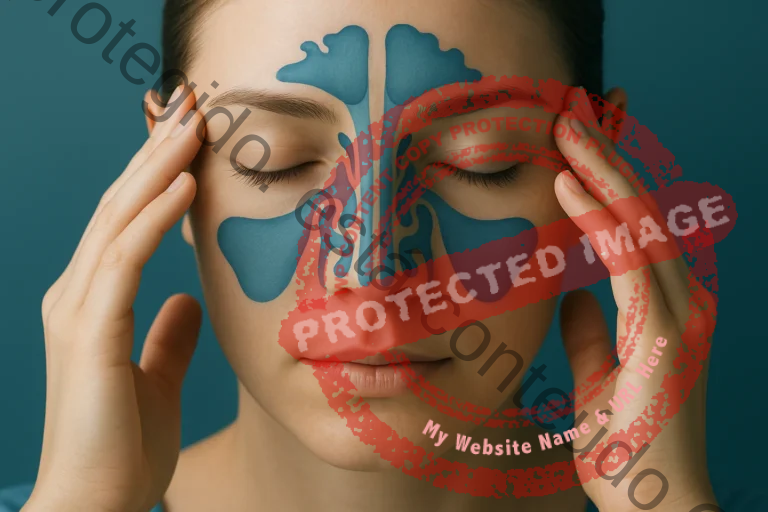
Cranial Osteopathy can be integrated into the approach for people with recurring headaches, seeking to understand patterns of tension in the cranial tissues and their relationship with the cervical spine and the temporomandibular joint (TMJ).
Through an individual assessment, potential changes in the mobility of cranial structures and associated tissues are considered, framing this information within a holistic view of the person.
Indications
-Long-term pain in the jaw, chin, face, ear or head
-Jaw muscle fatigue
-Sensitivity in the chewing muscles
-Jaw clicking noises when opening or closing the mouth
-Limited jaw movement
-Headaches, headache
-Otalgia (earache)
-Dizziness, Vertigo
-Difficulty opening the mouth, locking the jaw
-Difficulty biting or chewing
-Pain when speaking or singing
-Changes in posture
-Sleep problems
Cranial Osteopathy
in the treatment of temporomandibular joint and orofacial pain
Temporomandibular joint (TMJ) disorders can be associated with symptoms such as pain, fatigue, noises when opening the mouth and limited movement, in addition to headaches, ear pain and dizziness.
Cranial Osteopathy uses specific techniques to assess the TMJ and orofacial pain, integrating gentle manipulations, joint mobilisations and muscular techniques, always framed within an individual assessment and tailored to each case.
Indications
-Long-term pain in the jaw, chin, face, ear or head
-Jaw muscle fatigue
-Sensitivity in the chewing muscles
-Jaw clicking noises when opening or closing the mouth
-Limited jaw movement
-Headaches, headache
-Otalgia (earache)
-Dizziness, Vertigo
-Difficulty opening the mouth, locking the jaw
-Difficulty biting or chewing
-Pain when speaking or singing
-Changes in posture
-Sleep problems
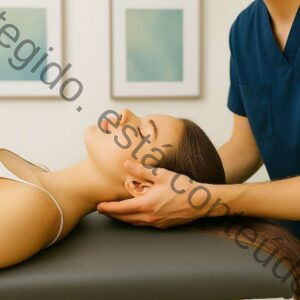
Cranial Osteopathy
Normalisation of the sacro-cranial system
Sacro-cranial techniques are gentle manual techniques used to assess the mobility of the sacro-cranial system, which includes the sacrum, the skull, and associated structures, such as the meningeal membranes.
These techniques allow for the observation of possible restrictions within the system and how they relate to the nervous system, the musculoskeletal system, and other patterns of tension in the body.
At Integrativa, sacrocranial techniques can be used as a complement to an Osteopathy session, always within an individual assessment and tailored to each situation.
Indications
-Headaches and migraines
-Regulation of the Autonomic Nervous System (ANS)
-Stress
-Anxiety
Blog Articles