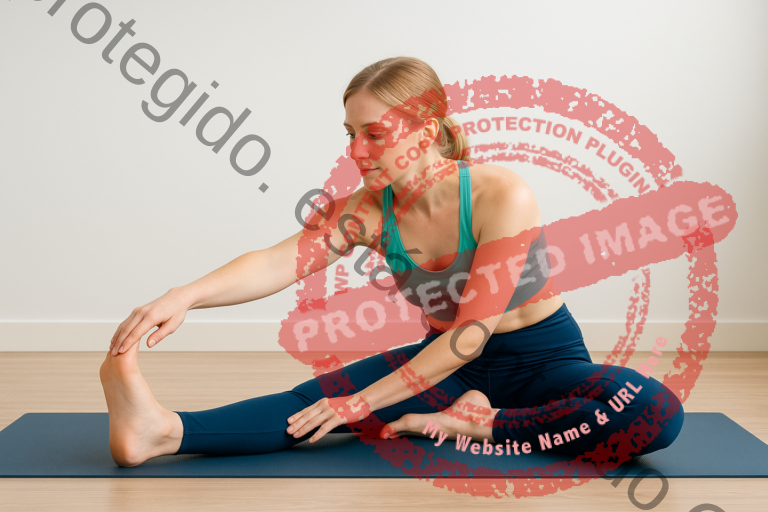
In this context, stretching plays an important role, although it is often undervalued. When performed properly, they can support mobility, reduce muscle tension and contribute to the health of the musculoskeletal system, both in physiotherapy and osteopathy.
What are stretches?
Stretches are exercises designed to increase muscle flexibility and the mobility of tissues such as tendons and fascia. Their aim is to allow the muscles to adapt better to movement and the demands of everyday life.
In general, two main types can be distinguished:
- Static stretching: the muscle is stretched in a controlled manner and held in this position for a few seconds
- Dynamic stretchingActive movements: involve active movements within the joint range, often used as preparation for activity
When practised regularly and in a way that suits the individual, stretching can contribute to better musculoskeletal function.
Stretching in the context of Physiotherapy
In physiotherapy, stretching is often integrated into prevention, rehabilitation and movement maintenance programmes.
His main contributions include:
- Improved flexibility: Greater muscle and joint flexibility makes everyday movements easier and reduces the effort required to carry them out.
- Reduced muscle tension: Accumulated tension in the muscles can be associated with discomfort or pain. Stretching can help reduce this tension and improve muscle comfort.
- Postural support: The shortening of certain muscles can influence posture. Stretching these muscles, in conjunction with appropriate exercises, can contribute to better body alignment.
- Stimulation of local circulation: Stretching favours circulation in the muscle tissues, supporting recovery processes after physical exertion.
Stretching in the context of Osteopathy
In Osteopathy, stretches can be used to complement manual work, with an impact on the body's mobility and functional balance.
You can contribute to:
• Reduction of tension and rigidity: Reducing muscle stiffness can facilitate movement and improve the distribution of loads on the body.
• Facilitating osteopathic intervention: More mobile fabrics can make osteopathic treatment more effective and comfortable.
• Support for the prevention of recurrence of complaints: Integrating stretching into your routine can help reduce the risk of certain complaints reappearing by reducing the risk of stress repeated on certain structures.
Stretching as part of an integrated approach
Stretching can be used both preventatively and as a complement to treatment. Regular practice contributes to a body that is more adaptable to the demands of everyday life.
It is important that they are tailored to each person’s characteristics, considering factors such as age, activity level, injury history, and functional goals. In situations of persistent pain or limited movement, guidance from a healthcare professional is especially important.
Stretches are most effective when integrated into a holistic approach that includes regular movement, muscle strengthening, attention to posture, and proper lifestyle habits.
Regularity is an essential factor. Even short sessions, when maintained over time, can have an impact on flexibility, muscular comfort and the quality of movement.
Integrate stretching into body care
The inclusion of a stretching routine in a Physiotherapy or Osteopathy context can support mobility, reduce muscular tension, and contribute to the body's functional balance. When applied appropriately and consistently, stretching becomes a useful tool in the care of movement and physical well-being.
If you want to integrate or adjust a stretching routine, a physiotherapy or osteopathy assessment can help you define a plan that suits your needs, safely and progressively.