

The Vagus Nerve, the tenth cranial nerve, plays a fundamental role in the regulation of the autonomic nervous system, particularly in the modulation of the parasympathetic response, which is responsible for promoting the body's recovery and balance after situations of stress. Although traditionally studied within the scope of classical physiology, the Vagus Nerve has also been associated with psychophysiological states involving attentional presence, deep calm, and mind-body integration, often found in spiritual and meditative practices.
The Vagus Nerve and Emotional Regulation
When the Vagus Nerve is activated, it favours the dominance of the parasympathetic nervous system, responsible for reducing emotional reactivity and inducing states of relaxation and balance. This physiological effect can be observed in meditative practices, mindfulness and in other contemplative approaches, in which the person experiences a greater sense of calm, introspection, and emotional self-regulation. By reducing the hyperactivity of the sympathetic nervous system, the Vagus Nerve contributes to a reduction in stress chronic and for strengthening emotional resilience, characteristics often associated with spirituality and self-knowledge.
The Vagus Nerve as an Axis of Psychophysiological Regulation
The Vagus Nerve is responsible for conducting sensory information from internal organs to the brain, as well as regulating various involuntary functions such as heart rate, breathing, digestion, and inflammation control. By promoting the predominance of the parasympathetic nervous system over the sympathetic system, the Vagus Nerve helps to attenuate the “fight or flight” response, often associated with stress, allowing the body to achieve a more adaptive state. This modulation process contributes to emotional stability and physiological balance, being essential for the body's adaptation to its internal and external needs.
Interoception, which is the body's ability to perceive and integrate internal signals (such as tension, discomfort, or well-being), is also mediated by the Vagus Nerve. When communication between the brain and internal organs, via the Vagus Nerve, functions efficiently, the organism is better able to respond to internal and external challenges, promoting emotional and physical stability.
Presence, deep calm and mind-body integration
Vagus nerve activation is associated with psychophysiological states of internal balance, such as attentional presence, deep calm, and self-awareness, frequently described in spiritual or meditative contexts. These states are characterised by the predominance of the parasympathetic nervous system, which helps to reduce the hyperactivity of the sympathetic system, responsible for the “fight or flight” response. When this balance is restored, the organism moves out of a constant state of alert and enters a state more conducive to recovery, introspection, and emotional self-regulation.
The decrease in emotional reactivity and increase in mental clarity observed in these states facilitate the integration between body, mind, and emotions, creating a more centred and conscious experience, often referred to as a sense of full presence. This psychophysiological balance is frequently described in spiritual practices as essential for self-knowledge and inner connection.
Contemplative practices, interoception and vagal stimulation
Practices such as meditation, mindful breathing, chanting, and prayer are often associated with the activation of the Vagus Nerve and the improvement of interoception. These activities primarily work by modulating breathing, helping to promote a slower, deeper breathing pattern, and also by activating laryngeal and pharyngeal structures, which share innervation with the Vagus Nerve. Furthermore, directed attention towards internal sensations during these practices strengthens the mind-body connection.
From a physiological standpoint, these practices can result in an improvement in heart rate variability (HRV), an important indicator of vagal function, associated with emotional resilience and the ability to cope with stress. Optimising vagal tone also promotes emotional self-regulation, fostering a sense of inner alignment, often described as greater calm, clarity, and stability.
Internal security: interoception and neurobiological stability
The feeling of internal safety corresponds to a state in which the nervous system interprets the body and the environment as stable and non-threatening. This state is intrinsically linked to the effectiveness of vagal circuits, responsible for transporting information from internal organs to the brain, and to the organism's ability to integrate this information coherently. When the Vagus Nerve performs its function well, the organism can respond more efficiently to internal and external demands, promoting a state of self-regulation and balance.
From a neurobiological perspective, the sensation of safety is associated with a greater influence of the Vagus Nerve on visceral systems, a reduction in fight-or-flight responses, and better integration between emotional, cognitive, and physical functions. This physiological balance contributes to full presence and greater introspection, aspects often sought in spiritual practices.
The body as a path to regulation and consciousness
In the integrative approach, the body is considered a central element in the regulation of the nervous system, in interoceptive perception, and in the experience of consciousness. The Vagus Nerve facilitates bidirectional communication between the brain and internal organs, adjusting physiological and emotional functions to the body's needs. This process helps to adapt the body to stress, but also promotes states of calm and presence, often valued in spiritual practices.
Cranio-Visceral Osteopathy, by influencing the relationship between the nervous system and internal organs, can support the regulation of the Vagus Nerve, promoting emotional stability and body awareness. By working on the connections between the central nervous system and internal organs, this approach can favour self-regulation, interoception and psychophysiological balance.
How to stimulate the vagus nerve naturally
There are several science-based approaches that can help stimulate the vagus nerve, which can be easily incorporated into your daily routine. Here are some effective practices:
Deep, controlled breathingDiaphragmatic breathing activates the parasympathetic system, reducing the response to stress and improving heart rate variability, which is an indicator of autonomic nervous system health.
Meditation and yogaRegular practice of these activities increases vagus nerve activity, reduces cortisol levels, and promotes emotional regulation, aiding in physical and mental balance.
Exposure to coldCold showers or washing your face with cold water stimulate the Vagus Nerve, promoting relaxation and improving cardiovascular function, helping to reduce the physiological effects of stress.
Singing and garglingVocal activities, such as singing and gargling, stimulate the Vagus Nerve, promoting relaxation, reduction of stress and the improvement of heart rate regulation and emotional balance.
Neck massageGentle massages in the cervical region help to activate the Vagus Nerve, providing muscle relaxation, tension relief, and restoration of physiological balance.
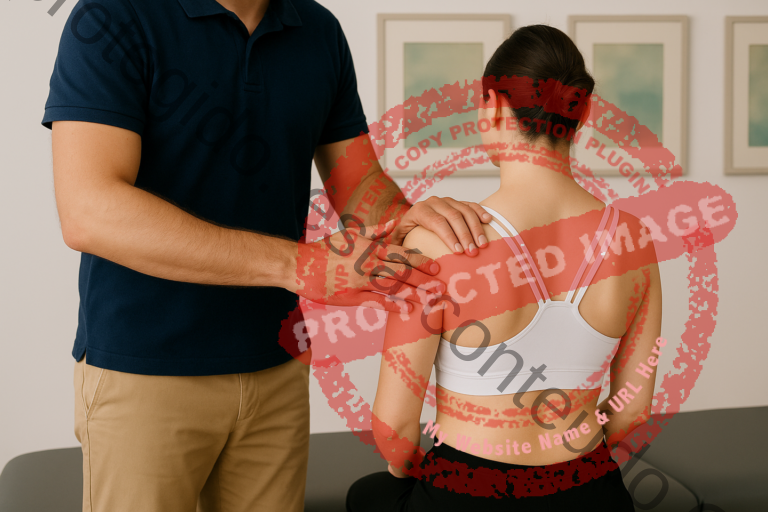
Osteopathic approachesCranial Osteopathy and Visceral Osteopathy work together to balance the autonomic nervous system. Cranial Osteopathy, by working on the base of the skull, can improve suture mobility and vagus nerve function. Visceral Osteopathy, on the other hand, acts on internal organs, stimulating vagal receptors and promoting communication between the brain and the organs. Together, these approaches favour nervous system regulation, emotional balance, and mind-body integration.
Understanding the Vagus Nerve from an Integrative Perspective
The relationship between the Vagus Nerve and spirituality can be scientifically understood as the intersection between neurophysiological regulation and states of presence, calm, and mind-body integration. The activation of the Vagus Nerve facilitates the organism's adaptation to stress and promotes emotional balance, contributing to states of internal harmony. Practices such as meditation, mindful breathing, and other contemplative activities can stimulate the Vagus Nerve, creating a physiological basis for spiritual experience and promoting greater mind-body integration.
The vagus nerve is just one of the many systems that osteopathy can help balance.
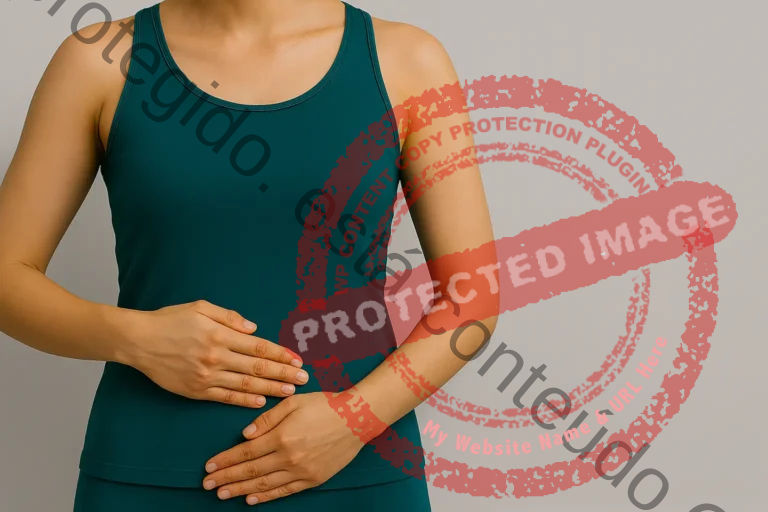
In Integrative Osteopathy, we work on the connection between the body, the nervous system and natural self-regulation. More than just a physical intervention, Osteopathy is a global approach that aims to stimulate the body to achieve its natural balance.
In Integrative Osteopathy consultations, Cranio-Visceral Osteopathy is part of a global clinical assessment, where the body is analysed in an integrative way, taking into account the interactions between the musculoskeletal (Structural Osteopathy), visceral (Visceral Osteopathy) and cranial (Cranial Osteopathy) systems. This assessment is complemented by Clinical Psychoneuroimmunology, which makes it possible to address essential factors such as sleep, physical exercise, a healthy diet, the regulation of the stress and relaxation strategies. One of the aims is to optimise the function of the vagus nerve and promote physical and emotional balance, which is essential for overall well-being.
Through a complete and personalised clinical assessment, each situation is analysed in detail, allowing us to define strategies tailored to the individual needs of each patient.
David Brandão | Osteopath and Physiotherapist
Specialised in Clinical Psychoneuroimmunology
Physiotherapist Card: 3652 | Order of Physiotherapists // Osteopath Card: C-0031697 | ACSS
Integrativa | Health and well-being as a lifestyle
This website and its content are for information purposes only and are not a substitute for medical or health professional advice. In all cases, treatments should be individualised and guided by health professionals. Do not make any changes to your treatment without contacting the doctor or health professional accompanying you.
Related articles