

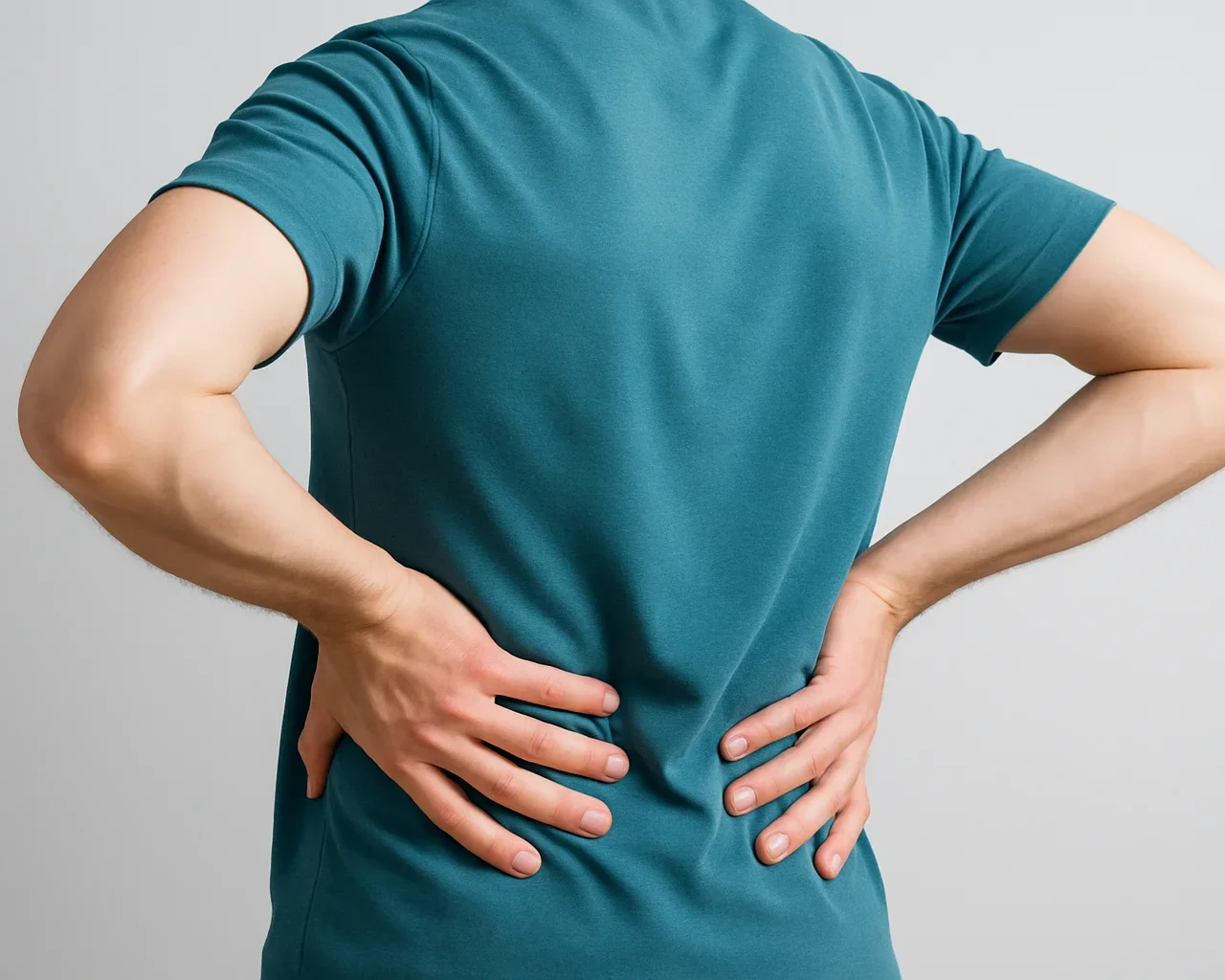
Low back pain is one of the most common complaints among the world's population, affecting people of all ages and lifestyles. Often, this pain can be disabling, limiting daily activities and negatively impacting quality of life. Fortunately, there are several effective therapeutic approaches, including physiotherapy, osteopathy and clinical Pilates, which can help in the management and treatment of low back pain.
The importance of physical activity and “limited” rest.
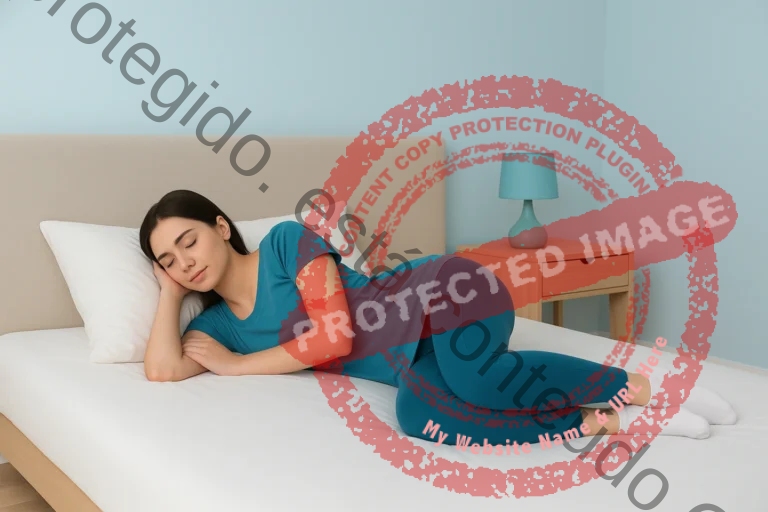
Contrary to popular belief, prolonged bed rest is not recommended for most cases of low back pain. Studies show that resting for longer than 2-3 days can be counterproductive. It is essential that patients resume their activities as soon as possible, as physical activity helps to speed up recovery, strengthen the back and abdominal muscles, and reduce the risk of low back pain recurring. Exercise plays a crucial role in rehabilitation, promoting mobility and proper muscle function.
Physiotherapy: Advanced rehabilitation techniques
Physiotherapy is a central approach in the treatment of low back pain. Advanced techniques, such as postural correction and clinical training, have proved fundamental in the treatment of spinal disorders, especially those of functional origin.
- Postural re-education: Focuses on postural correction and body alignment. Through specific exercises, physiotherapy aims to balance muscle tension, relieve pain and prevent future postural problems.
- Clinical training: This involves personalised exercises to strengthen the spinal support muscles, improve flexibility and correct inappropriate movement patterns. This training is adapted to the individual needs of each patient, promoting effective and safe rehabilitation.
Osteopathy: manual and holistic approach
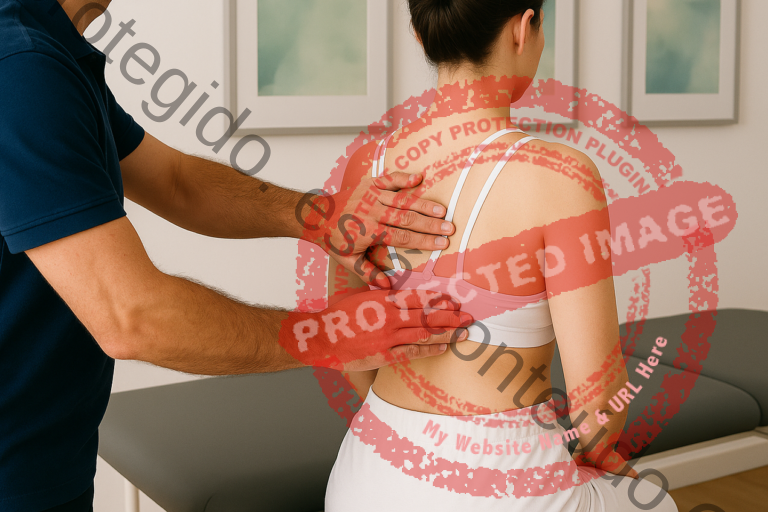
Osteopathy is a therapeutic practice that uses manual techniques to diagnose and treat dysfunctions in the body. Osteopaths work under the premise that the body is a unit and that function and structure are interrelated. In the treatment of low back pain, osteopaths use manipulation techniques to:
- Relieving pain: By manipulating joints and soft tissues, osteopaths can reduce pain and improve mobility.
- Restoring function: By correcting misalignments and musculoskeletal dysfunctions, osteopathy helps restore the body's normal function, promoting self-healing.
Clinical Pilates: strengthening and stability
Clinical Pilates is an adaptation of the traditional Pilates method, aimed at rehabilitation and injury prevention. It is an effective form of treatment for lower back pain, as it focuses on strengthening the core (central muscles of the body), stability, mobility and flexibility.
- Core strengthening: Clinical Pilates exercises are designed to strengthen the abdominal, lower back and pelvic floor muscles, providing better support for the spine.
- Stability and balance: Improves postural stability and balance, essential for preventing future injuries and relieving existing pain.
- Flexibility: Promotes flexibility in muscles and joints, helping to relieve stiffness and improve range of movement.
The combination of physiotherapy, osteopathy and clinical Pilates offers a comprehensive and effective approach to treating low back pain. While physiotherapy, with its advanced techniques, focuses on rehabilitation and muscle strengthening, osteopathy addresses structural dysfunctions through manual manipulations, and clinical Pilates offers a safe way to strengthen and stabilise the body. Together, these therapeutic modalities not only relieve pain, but also promote a complete recovery, giving patients back their quality of life and preventing future recurrences.
David Brandão | Physiotherapist, Osteopath and Clinical Pilates Instructor
Integrativa | Health and well-being as a lifestyle
This website and its content are for information purposes only and are not a substitute for medical or health professional advice. Each person's treatment should be individualised and guided by health professionals. Do not make any changes to your treatment without contacting the doctor or health professional accompanying you.
Related articles