

Running is a widely practised activity, but it imposes repeated loads and a significant impact on the musculoskeletal system. Although it may seem simple, running consistently requires adequate preparation, not only on a cardiovascular level, but also in terms of movement control, stability and the ability of tissues to adapt to impact.
The continuous repetition of running, when associated with deficits in postural control, muscle imbalances or limited mobility, can increase the risk of overload and injury. For this reason, the integration of complementary strategies to specific running training can be relevant to support the body's adaptation to the demands of the sport.
The demands of running on the musculoskeletal system
Running is characterised by a repetitive pattern of movement in which the body needs to absorb, transfer and generate force efficiently. Changes in posture, coordination or stability can influence the distribution of loads and the efficiency of the gesture, contributing to discomfort or overload over time.
In addition to running technique, factors such as muscular endurance, balance, coordination and trunk control play an important role in how the body responds to the demands of training and competition.
Why integrate complementary exercise into running training
Specific running training tends to emphasise certain muscle groups, which can contribute to imbalances if not accompanied by complementary work. Integrating targeted exercise makes it possible to work on components that are less in demand during running, promoting a more balanced organisation of movement.
In this context, Clinical Pilates can play an important role in complementing the runner's training.
Clinical Pilates applied to running
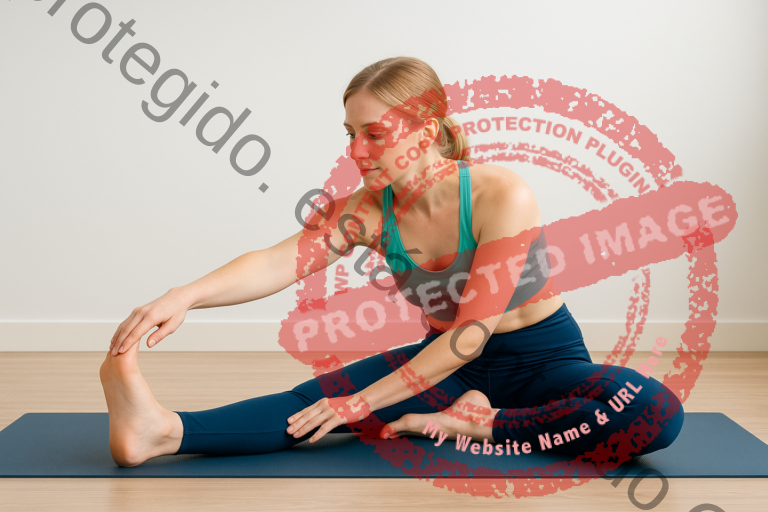
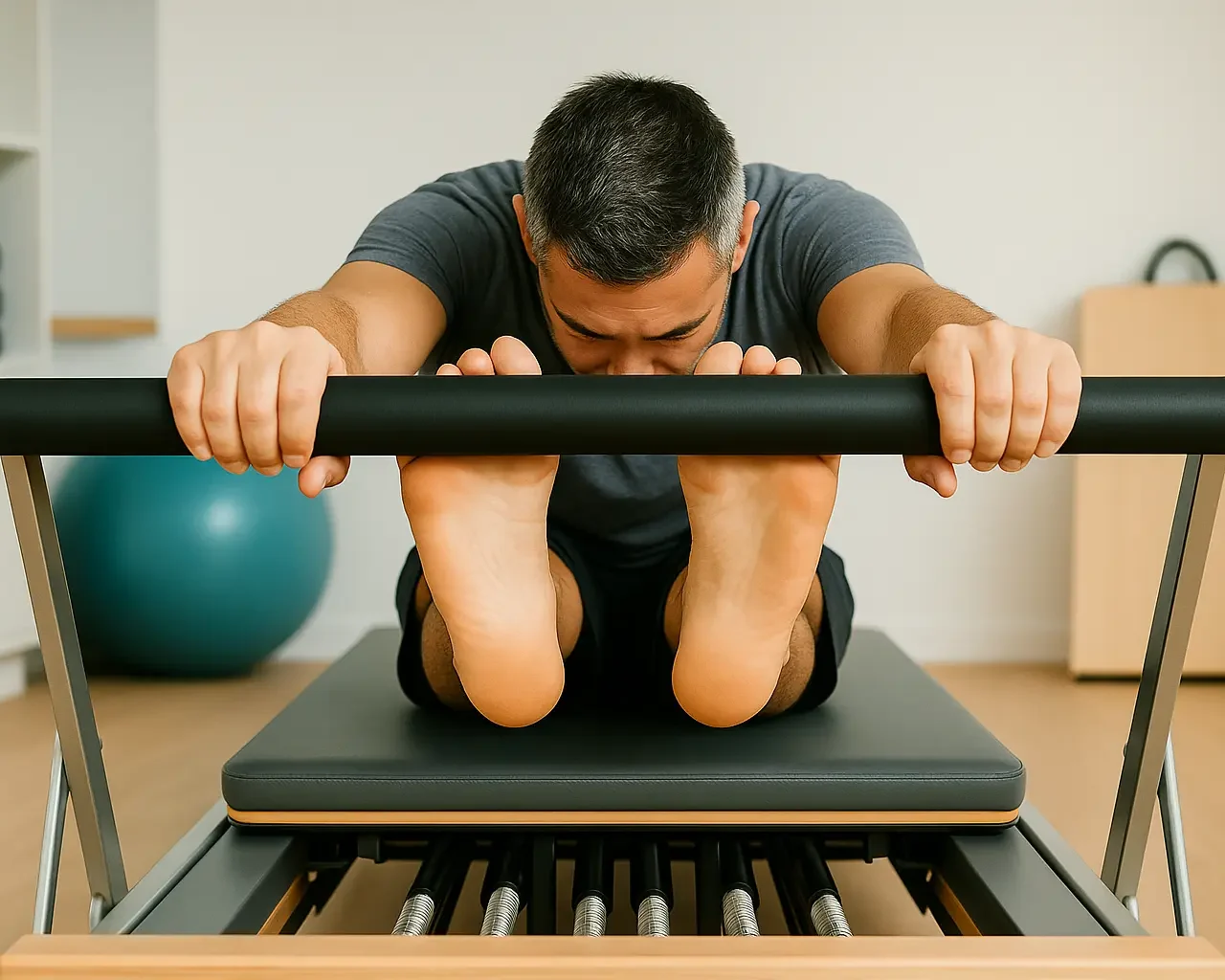
Clinical Pilates is a low-impact therapeutic exercise approach, applied in a clinical context and guided by physiotherapists with specific training. It uses movement in a controlled and conscious way, focusing on alignment, stability, mobility and motor control.
The practice is based on principles such as concentration, breathing, control, centralisation, precision and fluidity of movement, which guide the execution of the exercises and encourage greater body awareness and efficiency of the motor gesture.
Benefits of Clinical Pilates for runners
In the context of running, Clinical Pilates can contribute to:
- Improve postural control during the running gesture
- Favour the stability of the lumbar-pelvic region
- Support coordination between upper and lower limbs
- Promote a balance between strength and mobility
- Increase body awareness and movement efficiency
Postural control and running efficiency
Proper postural control influences running economy, load distribution and energy expenditure. The guided work in Clinical Pilates seeks to improve the alignment of the trunk, the organisation of the limbs and the integration of breathing into movement, factors that can contribute to a more fluid and efficient run.
Strength, stability and mobility in the corridor
Clinical Pilates can support the development of muscular strength and endurance in a balanced way, with special attention to the deep muscles of the trunk. Performing the exercises within safe ranges favours mobility and flexibility, while respecting the individual needs of each runner.
Guided practice also helps to improve proprioception, balance and motor control, all of which are important when adapting the body to the repeated demands of running.
Integrating Clinical Pilates into training and rehabilitation
The integration of Clinical Pilates into the training of runners should always be individualised, taking into account the level of practice, training volume, injury history and functional goals. When applied in the right way, it can be integrated as a complement to running training and rehabilitation processes, contributing to load management and functional adaptation over time.
In a Physiotherapy context, Clinical Pilates is used as a therapeutic tool, integrated into a broader intervention plan, focusing not only on performance, but also on musculoskeletal health and the sustainability of sports practice.
Get to know our programme Runner Pilates developed by osteopath David Brandão.
David Brandão | Osteopath, Physiotherapist and Clinical Pilates Instructor
Physiotherapist Card: 3652 | Order of Physiotherapists // Osteopath Card: C-0031697 | ACSS
Integrativa | Health and well-being as a lifestyle
This website and its content are for information purposes only and are not a substitute for medical or health professional advice. In all cases, treatments should be individualised and guided by health professionals. Do not make any changes to your treatment without contacting the doctor or health professional accompanying you.
Related articles