

Craniomandibular dysfunctions encompass conditions affecting the temporomandibular joint (TMJ), the muscles responsible for chewing, and related structures. These can be broadly categorised into three main groups: joint dysfunctions, such as disc displacement and arthritis; muscular dysfunctions, including muscle spasms and fatigue; and mixed dysfunctions, which combine joint and muscular symptoms, often associated with bruxism.
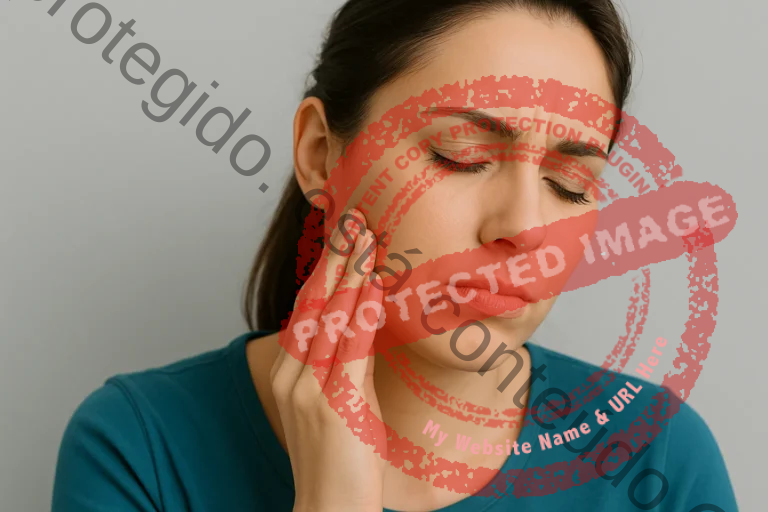
These conditions can result in a variety of symptoms, most notably changes in jaw mobility. It is common for patients to report difficulty or limitations when opening their mouth, jaw deviations during opening and closing, or a feeling of blockage. In addition, muscular symptoms can occur, such as stiffness, fatigue in the chewing muscles, spasms or contractures in the face, and referred pain in areas like the neck and shoulders. Auditory symptoms, such as tinnitus or a feeling of a blocked ear, may also be observed. Other signs include difficulty chewing hard foods, pain when speaking for prolonged periods, and tooth sensitivity with no apparent dental cause.
These symptoms are often associated with TMJ (temporomandibular joint) dysfunction, which can compromise the normal functioning of the jaw and its associated muscles, impacting patients' quality of life and well-being.
The role of the trigeminal nerve in headaches and TMJ
The trigeminal nerve, responsible for facial sensation, plays an important role in the perception of pain and the regulation of sensitivity in the craniofacial region, including the TMJ. This nerve transmits pain signals from various structures, such as the jaw, teeth, and masticatory muscles. When disfunctions occur in the TMJ, such as overload or tension in the masticatory muscles, the trigeminal nerve can be affected, which can aggravate tension headaches or even migraines.
The interaction between the cervical musculature and the TMJ can also be relevant. Chronic tension in the neck muscles can aggravate pain and limit TMJ movement, as well as contribute to the development of tension headaches. The osteopathic approach seeks to promote balance between these structures, relieving pressure on the trigeminal nerve, which can help to reduce the intensity and frequency of headaches associated with TMJ dysfunction.
Cranial Osteopathy in the Approach to Craniomandibular Dysfunction and Headaches
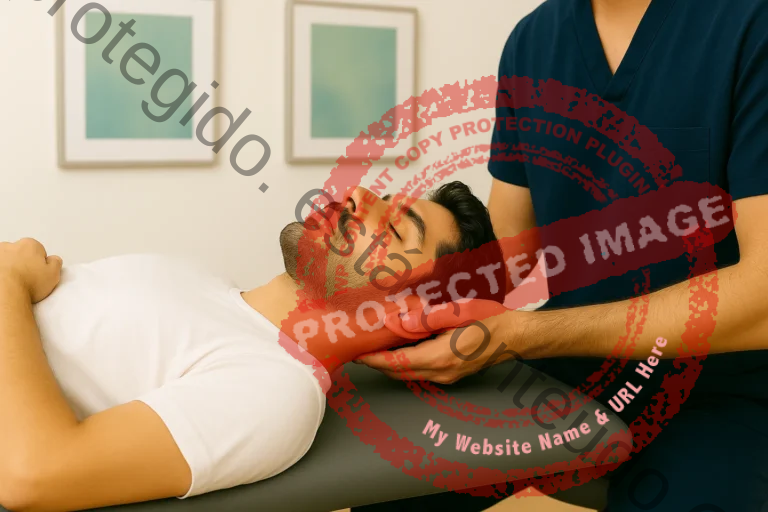
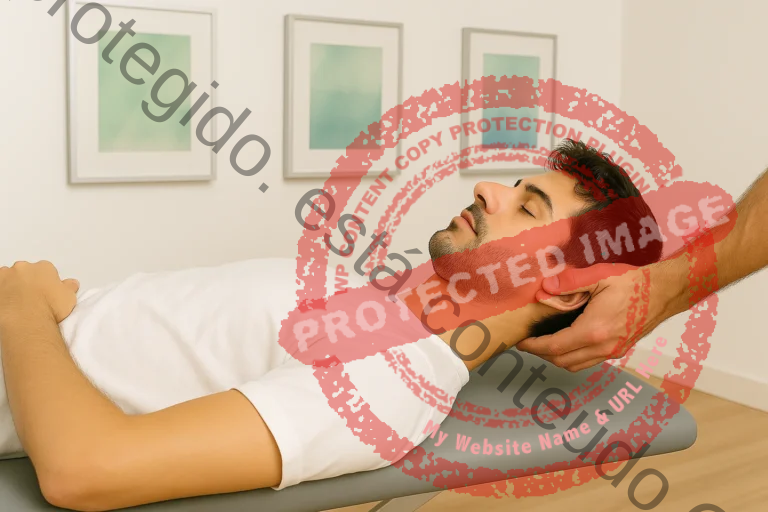
Cranial Osteopathy is an effective therapeutic approach in the treatment of craniomandibular dysfunctions. Using gentle manual techniques, Osteopathy aims to promote the mobility of cranial sutures, relieve tension in the facial muscles and temporomandibular joints (TMJ), and promote the balance of the autonomic nervous system. This balance can contribute to the improvement of cranial and musculoskeletal structure function, as well as favouring blood and lymphatic circulation, helping to optimise the vascularisation of the affected areas.
In the treatment of craniomandibular dysfunctions, Osteopathy focuses on the biomechanics of the temporomandibular joint (TMJ) and associated structures. Through techniques such as joint mobilisations, myofascial release, and specific TMJ exercises, Osteopathy aims to reduce tension in the muscles of the jaw, skull, and neck, improve local circulation, and promote joint mobility. Muscles such as the masseter, temporalis, and pterygoids, involved in chewing, and neck muscles, like the upper trapezius and sternocleidomastoid, which are often tense, can contribute to the onset of tension headaches.
Osteopathy also works on cranial tensions, the meningeal membranes, and the functional relationship between the skull, the temporomandibular joint (TMJ), and the cervical spine. Treatment focuses on relieving muscular tensions in the head and neck region, involving muscles such as the upper trapezius and sternocleidomastoid.
Furthermore, Cranial Osteopathy uses fascial and neuromeningeal techniques to work on cranial dynamics, promoting the mobility of cranial sutures and reducing tension in the cranial and cervical regions, which can be useful in relieving tension headaches.
An Osteopathy consultation should be tailored to the specific needs of each patient, taking into account the intensity and frequency of headaches, trigger factors, and the patient's general state of health. The approach should aim not only to alleviate symptoms but also to promote long-term neuromuscular balance, contributing to the patient's ongoing well-being.
An integrative approach to craniomandibular dysfunction and headaches
Headaches and migraines have multifactorial causes, involving musculoskeletal, neurological, and emotional aspects. Cranial Osteopathy, with its integrative approach, allows for a better understanding of the interactions between the skull, spine, and musculoskeletal system, tailoring treatment to each patient's needs. This approach respects the clinical variability of each case, offering personalised solutions to improve quality of life.
In an Integrative Osteopathy consultation, we integrate the principles of Clinical Psychoneuroimmunology, an area of knowledge that studies the interaction between the nervous, endocrine, and immune systems. Psychoneuroimmunology also investigates how emotional, behavioural, and environmental factors influence health and the body's adaptive capacity. Osteopathy is complemented by Clinical Psychoneuroimmunology, which offers guidance on lifestyle, sleep hygiene, and relaxation strategies. In this context, the Osteopath may include recommendations for relaxation techniques, such as breathing exercises, to help reduce muscle tension and improve the patient's overall well-being.
This integrative approach aims not only to alleviate immediate symptoms but also to promote effective headache management and improve the patient's quality of life, with a focus on long-term prevention and adaptation.
At Integrativa, specialised consultations for TMJ and orofacial pain are part of a global clinical assessment, where the body is analysed in an integrated manner through physiotherapy and osteopathy, considering the interactions between the musculoskeletal (Structural Osteopathy), visceral (Visceral Osteopathy), and cranial (Cranial Osteopathy) systems. A complete and personalised clinical evaluation allows us to frame each situation in detail and define strategies tailored to individual needs, respecting the complexity of tension headaches.
A physiotherapy and osteopathy assessment consultation allows for a careful and individualised understanding of how this integrative approach can be beneficial for your specific case.
David Brandão | Osteopath and Physiotherapist
Specialising in Cranial Osteopathy for TMJ, Orofacial Pain and Headaches
Physiotherapist Card: 3652 | Order of Physiotherapists // Osteopath Card: C-0031697 | ACSS
Integrativa | Health and well-being as a lifestyle
This website and its content are for information purposes only and are not a substitute for medical or health professional advice. Each person's treatment should be individualised and guided by health professionals. Do not make any changes to your treatment without contacting the doctor or health professional accompanying you.
Related articles