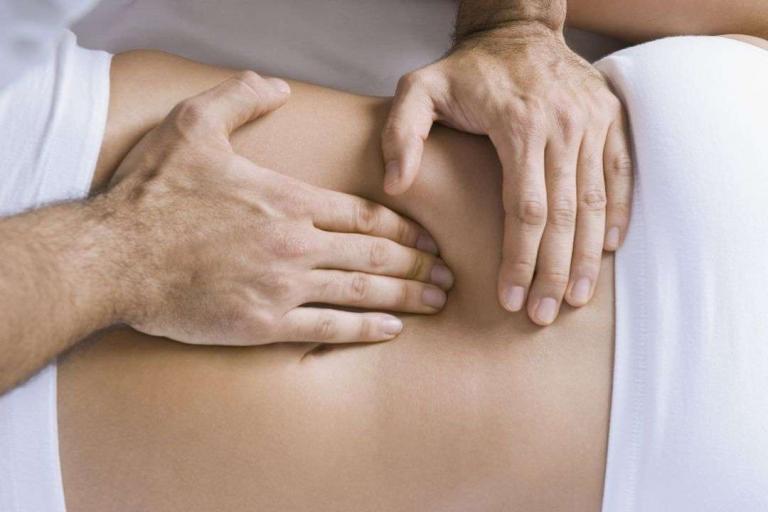


Chronic low back pain is a common health problem. In Portugal, a significant proportion of the adult population reports persistent back pain. It is important to realise that chronic pain is a multifactorial phenomenon, resulting from the interaction of various physical, emotional and contextual factors.
Physical, emotional and lifestyle factors
Factors that can be associated with chronic low back pain include structural or functional alterations to the spine, previous injuries, chronic illnesses and less efficient movement patterns. To these can be added psychological factors, such as stress, anxiety or depressive states, as well as lifestyle aspects, including a sedentary lifestyle, prolonged maintenance of certain postures, insufficient sleep and unbalanced eating habits.
Sleep plays a particularly important role here, since sleep deprivation is associated with greater sensitivity to pain, less capacity for tissue recovery and greater activation of the stress, may contribute to the persistence of symptoms.
The role of physical interventions
Physical interventions such as osteopathy, physiotherapy or clinical Pilates play an important role in the management of chronic low back pain. However, current evidence suggests that, in many cases, persistent pain may benefit from an integrative approach that considers not only tissues and structures, but also the functioning of the nervous system and the emotional factors involved in the perception of pain.
Stress, anxiety and pain perception
O stress and anxiety can influence the experience of pain. In situations of stress, the body activates neuroendocrine responses, releasing hormones such as cortisol and adrenaline, which can increase sensitivity to pain and interfere with recovery processes. Prolonged activation of the sympathetic nervous system is also associated with greater muscle tension and a lower capacity for relaxation, which can contribute to the persistence of low back pain.
In some cases, central sensitisation phenomena can occur, in which the central nervous system becomes more reactive to painful stimuli, leading to a greater perception of pain even in the absence of active injury.
The two-way relationship between mind and body
The relationship between mind and body is bidirectional. Emotional states such as stress and anxiety can influence the way the brain processes painful stimuli, increasing the perception of pain. On the other hand, the presence of chronic pain can intensify the stress emotional, creating a cycle that tends to maintain the symptoms over time.
Beliefs, expectations and fear of movement (kinesiophobia) can also play an important role, leading to avoidance of movement and decreased confidence in the body, which can contribute to loss of function and greater persistence of pain.
Psychological interventions and mind-body practices
In this context, psychological interventions and mind-body practices can work as a complement to physical treatment. Approaches such as cognitive-behavioural therapy, the mindfulness and meditation have been studied as support strategies in the management of chronic low back pain.
These interventions can help to reduce emotional reactivity, modify thought patterns associated with pain, improve self-regulation of the nervous system and promote a safer and more conscious relationship with movement, through gradual and adapted exposure.
Scientific evidence on mindfulness and lower back pain
Scientific research has shown that programmes based on mindfulness may contribute to a reduction in the intensity of chronic low back pain, improved physical function and a better quality of life. Systematic reviews and meta-analyses suggest that these effects are mainly related to changes in the way pain is perceived and managed, promoting less emotional reactivity and a greater capacity for self-regulation of the nervous system (Cramer et al., 2012; Anheyer et al., 2017).
Controlled clinical trials have shown that interventions based on mindfulness show results comparable to other consolidated psychological approaches, such as cognitive-behavioural therapy, and superior to usual care alone in reducing the impact of chronic low back pain on daily life (Cherkin et al., 2016). Other studies have observed improvements in pain intensity, functionality and quality of life, including in older populations, as well as changes in the central mechanisms involved in the pain experience (Morone et al., 2008; Banth & Ardebil, 2015; Day et al., 2020). As part of a broader approach, the practice of mindfulness can thus function as a relevant complementary tool, in conjunction with physical interventions and safe movement strategies (Luiggi-Hernandez et al., 2018).
An integrative approach to chronic low back pain
Chronic low back pain can benefit from an approach that considers the body and mind in an integrative way. Combining physical interventions, such as Osteopathy, Physiotherapy or Clinical Pilates, with strategies that support emotional regulation and body awareness can facilitate more effective adaptation processes over time.
At Integrativa, each person is assessed on an individual basis, taking into account physical symptoms and levels of stress, emotional patterns, lifestyle habits and personal context. The aim is to understand the different factors that influence the experience of pain and to support the natural mechanisms of self-regulation, promoting gradual and sustained functional improvement.
This approach is based on the principles of Clinical Psychoneuroimmunology, an area of knowledge that studies the interaction between the nervous, endocrine and immune systems, as well as how emotional, behavioural and environmental factors influence health and the body's ability to adapt.
Clinical assessment from an integrative perspective seeks to understand the person as a whole, integrating the various dimensions of their experience and promoting greater awareness of the body and the body's responses. In this way, tools are provided that can support day-to-day adaptation and contribute to a better quality of life over time.
David Brandão | Osteopath and Physiotherapist
Specialised in Clinical Psychoneuroimmunology
Physiotherapist Card: 3652 | Order of Physiotherapists // Osteopath Card: C-0031697 | ACSS
Reference articles
Cramer, H., Lauche, R., Haller, H., & Dobos, G. (2012). Mindfulness-based stress reduction for low back pain: A systematic review. BMC Complementary and Alternative Medicine, 12(1), Article 162. https://doi.org/10.1186/1472-6882-12-162
Anheyer, D., Haller, H., Barth, J., Lauche, R., Dobos, G., & Cramer, H. (2017). Mindfulness-based stress reduction for treating low back pain: A systematic review and meta-analysis. Annals of Internal Medicine, 166(11), 799–807. https://doi.org/10.7326/M16-1997
- Cherkin, D. C., Sherman, K. J., Balderson, B. H., Cook, A. J., Anderson, M. L., Hawkes, R. J., Hansen, K. E., & Turner, J. A. (2016). Effect of mindfulness-based stress reduction vs cognitive behavioural therapy or usual care on back pain and functional limitations in adults with chronic low back pain: A randomized clinical trial. JAMA, 315(12), 1240–1249. https://doi.org/10.1001/jama.2016.2323
Banth, S., & Ardebil, M. D. (2015). Effectiveness of mindfulness meditation on pain and quality of life of patients with chronic low back pain. International Journal of Yoga, 8(2), 128–133. https://doi.org/10.4103/0973-6131.158476
Morone, N. E., Greco, C. M., & Weiner, D. K. (2008). Mindfulness meditation for the treatment of chronic low back pain in older adults: A randomised controlled pilot study. Pain, 134(3), 310–319. https://doi.org/10.1016/j.pain.2007.04.038
Luiggi-Hernandez, J. G., Woo, J., Hammerschlag, R., Wang, Y., & Goldman, R. (2018).
Integrativa | Health and well-being as a lifestyle
This website and its content are for information purposes only and are not a substitute for medical or health professional advice. In all cases, treatments should be individualised and guided by health professionals. Do not make any changes to your treatment without contacting the doctor or health professional accompanying you.
Related articles