


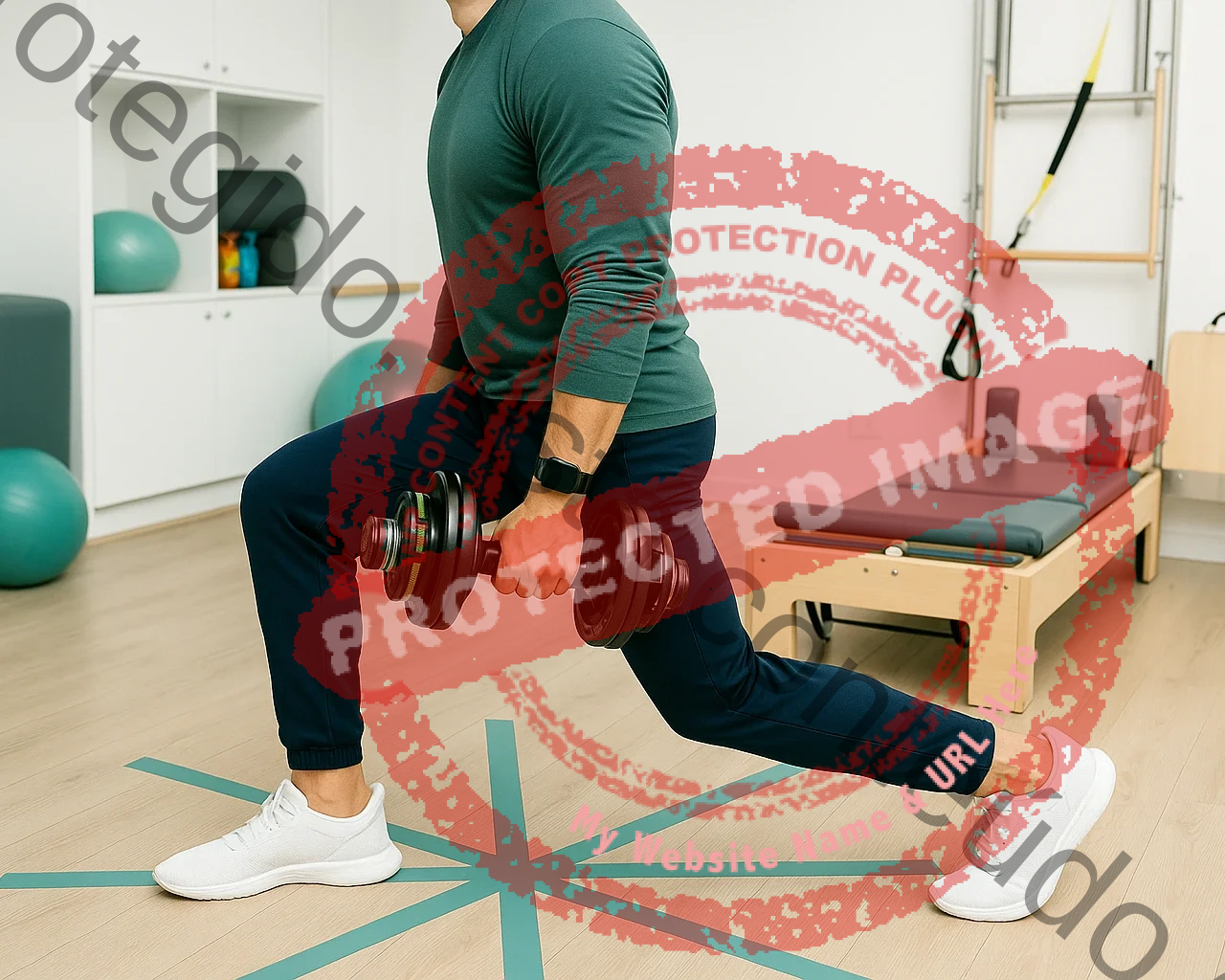
Sport plays a central role in the lives of many people, from elite athletes to amateur participants. Sporting practice involves repeated physical stimuli, high loads and specific demands that vary according to the discipline, training intensity and time of the season. These demands can be associated with an increased risk of musculoskeletal injuries, with a variable impact on function, performance and the continuity of sports practice.
In this context, Physiotherapy plays a significant role in injury prevention, not only as a response to acute episodes but, above all, as a continuous intervention aimed at adapting the body to the demands of training and competition. Physiotherapy-based prevention is founded on an understanding of movement, function, and the body's recovery capacity, respecting each athlete's individuality.
Identification of individual risk factors
One of the pillars of injury prevention in Physiotherapy is the identification of specific risk factors for each athlete. Through a detailed clinical assessment, the Physiotherapist analyses muscle strength, joint mobility, motor control, posture, movement patterns, and injury history.
This assessment allows for the identification of muscular imbalances, mobility limitations, compensatory strategies, or altered movement control that may increase the likelihood of tissue overload. Early identification of these factors enables a tailored intervention before the onset of pain or injury.
Exercise programmes tailored to the athlete
Based on the assessment, personalised exercise programmes can be defined, tailored to the athlete's characteristics, the sport practised, and the specific demands of training. These programmes can integrate strength, stability, mobility, coordination, and motor control work.
The goal is not merely to increase physical capacity, but to improve movement efficiency and tolerance to the loads imposed by training and competition. Exercise progression is adjusted to the timing of the season and the athlete's response, respecting tissue adaptation times.
Re-education and optimisation of sporting technique
inefficient movement patterns or repeatedly performed technical gestures can increase the stress mechanics on specific joints and tissues. Physiotherapy contributes to the re-education of sports movements through movement analysis and the identification of strategies for more efficient execution.
The introduction of adjustments to technical gestures can favour a better distribution of loads, reduce compensations, and support the prevention of injuries associated with repetition, impact, or progressive overload.
Warm-up, mobility and preparation for exertion
Body preparation for training and competition is a central factor in injury prevention. A physiotherapist can guide warm-up, mobility, and muscle activation strategies tailored to the sport, effort intensity, and stage of the sporting season.
Proper preparation contributes to improving neuromuscular response, increasing tissue readiness for exertion, and reducing the risk of injuries associated with sudden movements or unexpected loads.
Monitoring and tracking throughout the season
Regular monitoring of the athlete allows for the detection of early signs of fatigue, discomfort, or overload. Small changes in function, when identified in good time, can be addressed before they develop into more significant injuries.
Physiotherapy, in this context, contributes to load management throughout the season, helping to adjust training, recovery, and therapeutic exercise strategies according to the athlete's individual response.
Rehabilitation and return to sport
Despite preventative strategies, sports injuries can still occur. When this happens, Physiotherapy plays a central role in rehabilitation and the progressive return to playing sports. The intervention is aimed at recovering function, confidence in movement, and the ability to respond to the specific demands of the sport.
The process of returning to sport is structured gradually, respecting the healing and adaptation times of the tissues, and integrating functional criteria that support a safe reintegration into sport.
The role of Physiotherapy in preventing sports injuries
Physiotherapy contributes to injury prevention through clinical assessment, therapeutic exercise, movement re-education, and continuous athlete monitoring. This approach supports sports performance and promotes safer, more sustainable, and personalised practice.
At Integrativa, Physiotherapy is integrated into an approach geared towards functionality and the demands of sports practice, in both amateur and professional contexts, respecting the athlete, the sport, and the clinical situation of each case.
David Brandão Osteopath, Physiotherapist
Physiotherapist Card: 3652 | Order of Physiotherapists // Osteopath Card: C-0031697 | ACSS
Integrativa | Health and well-being as a lifestyle
This website and its content are for information purposes only and are not a substitute for medical or health professional advice. In all cases, treatments should be individualised and guided by health professionals. Do not make any changes to your treatment without contacting the doctor or health professional accompanying you.
Related articles